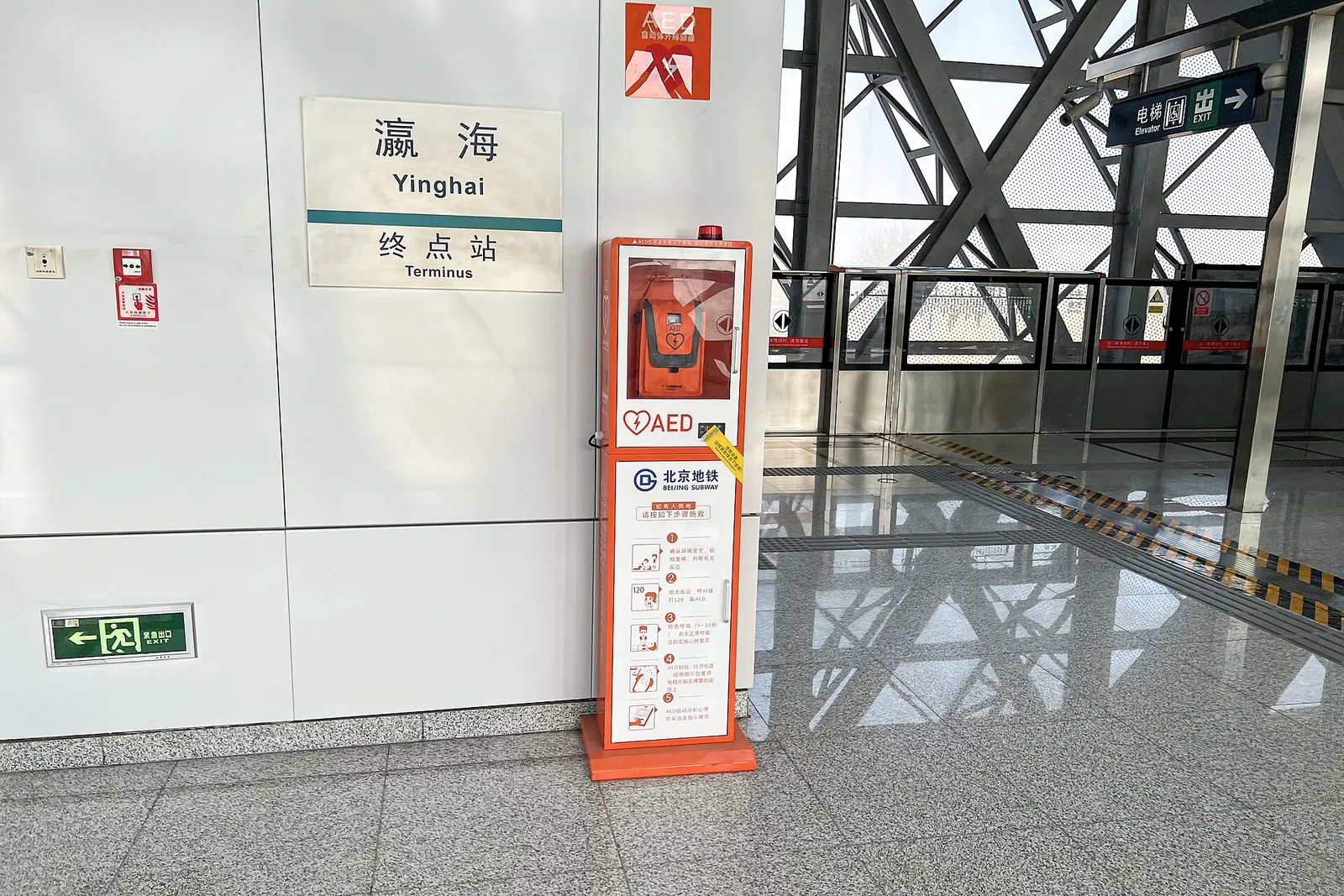
cardiac arrest, stroke and posterior circulation stroke, eye stroke, heart attack, aortic dissection, thunderclap headache, chronic subdural hematoma, pulmonary embolism, severe bleeding, bites, burns and scalds, anaphylactic shock, epilepsy, low blood sugar, electric shock, carbon monoxide, accidental ingestion and chemical burns, foreign objects stuck in the body, splinting fractures, scams, privacy threats, heatstroke, fire, drowning, getting lost, hypothermia, snakebite, earthquakes, wild animals, lightning strikes, altitude sickness, ticks, drinking water in the wild; and whether you can afford to step in: how to help up an older person who has fallen, what to do when you come across a fight, who pays when you are injured saving someone; the end of the section is choking in babies under 1 year old and infant CPR. Outcome type: survival rate and money, with the last few items also touching on personal freedom.
A 8B 33C 3
Lifespan 41Money 1Personal freedom 21 contested
This section covers what to do first when something goes wrong, what to do next, and what not to do. The first-aid and wilderness entries count specific causes of death and the share of people who survive. The entries on threats and scams count money and personal freedom. The two kinds of numbers are not converted into each other. Entries are ordered from high to low by “how common this is × how many lives separate doing it right from doing it wrong.” These entries are first of all for you yourself, your spouse and your immediate family. 79.2% of cardiac arrests happen at home, so the people you are most likely to save are your own family. Friends and coworkers come next. For strangers it is not that there is no benefit at all, but this tier is the lowest, and you may also be extorted or dragged into a legal case. So entries of this kind put the actions that protect you, and the provisions that exempt you from liability, first.
This section only includes actions to take within minutes. Recognizing a scam, or being blackmailed for money, is handled on a scale of days and is not in this section. For the hard anti-fraud rules and the seven most common scams, see Section 8, Item 3 (hard anti-fraud rules). If someone demands money using private photos or recordings of a nude video chat, see Section 8, Item 32 (someone demands money with leverage over you). If the money has already been transferred, immediately call 110 (police) or 96110 to request a stop-payment; see Section 8, Item 2 (stop-payment).
The entries in this section fall into the following groups by topic; the item numbers are in parentheses.
CPR and choking: someone collapses and isn't breathing (Item 1); an older person falls: don't rush to help them up (Item 2); someone is choking and can't speak (Item 26); a baby is choking and can't cry (Item 43); infant CPR (Item 44).
Sudden medical emergencies: sudden drooping mouth, weakness on one side (Item 3); the world spinning, unable to stand steady (Item 4); one eye suddenly going dark (Item 5); one eye swollen-feeling and painful (Item 6); pressing chest pain (Item 7); severe pain like being torn open (Item 8); the worst headache of your life (Item 9); an older person turning slow after hitting their head (Item 10); one leg suddenly swelling up (Item 11); anaphylactic shock (Item 15); someone has a seizure and collapses (Item 16); a person with diabetes suddenly shaking (Item 17).
Injuries and burns: heavy bleeding: press on the wound first (Item 12); dog or cat bites (Item 13); cool water after a burn (Item 14); an object stuck in the body: don't pull it out (Item 40); suspected fracture: don't move it any more (Item 41).
Poisoning, fire and accidents: electric shock: cut the power first (Item 18); a carbon monoxide alarm goes off (Item 19); swallowing a cleaning product, pesticide or medicine by mistake (Item 20); chemicals splashed on the body (Item 21); dizziness and no sweating in the heat (Item 22); a person with heat illness drinking lightly salted water (Item 23); crawling low in a fire (Item 24); seeing someone drowning (Item 25); in an earthquake, look at the building first (Item 30).
The wild: lost in an uninhabited area: stay where you are (Item 27); shivering and slurred speech mean hypothermia (Item 28); snakebite: don't cut, don't suck (Item 29); meeting a bear, a wild boar or feral dogs (Item 31); a thunderstorm in the wild (Item 32); going up to high altitude slowly (Item 33); a tick bite (Item 34); boil water in the wild before drinking it (Item 35).
Conflict, and after helping someone: someone demands money from you in the middle of nowhere (Item 36); coming upon a group fight (Item 37); injured or out of pocket after helping someone (Item 39).
Sexual assault and HIV exposure: possible exposure to HIV (Item 38); after a sexual assault (Item 42).
Sources are reproduced exactly as they appear in the Chinese original, including Chinese titles of laws and quoted statutory text. Original Chinese text of this section at upstream commit bb25081, on GitHub.
If someone collapses and isn't breathing, push hard on their chest right away, and have someone else call 120 (ambulance) and find an AED
Value for cost High
In plain terms
The person you are most likely to press on is someone in your own family: 79.2% of cardiac arrests happen at home. When someone does chest compressions, the share who leave the hospital alive rises from 3.9% to 16.1%. If they don't respond and aren't breathing, just start pressing. The spot is the midpoint of the line between the nipples; stack your hands and press hard, 2 times per second, without stopping. Have a second person call 120 and get an AED; don't let your hands stop.
Cost
Free. A CPR course from the Red Cross or a hospital takes half a day to a day, and learning it once lasts for many years. You can do it even without training: stack your hands, place them at the midpoint of the line between the nipples, and press down hard about 2 times per second, without stopping.
No moneyA few hoursNo willpowerBenefit size large
Benefit
79 studies covering 142,740 people, pooled together (a meta-analysis): of people whose heart stopped outside a hospital (out-of-hospital cardiac arrest), only 7.6% in total left the hospital alive. When a bystander did CPR, the share who left the hospital alive rose from 3.9% to 16.1%. In 53% of cases someone nearby saw it happen, but only 32% actually got chest compressions from a bystander. China's BASIC-OHCA registry recorded 38,227 cases seen by emergency medical services. In 30,282 of them (79.2%) the cardiac arrest happened at home. In this group, the bystander compression rate was 20.3%, and 1.2% left the hospital alive. The order is: compress first, then have a second person make the call and get the AED. Once the machine is switched on, follow its voice prompts.
Evidence grade
A
Notes
Children under 1 year old need a different technique that includes rescue breaths; see Item 44 of this section (infant CPR). Don't pinch the spot between the nose and upper lip (人中) first, don't go looking for the family first, and don't start filming first. And don't hold back from pressing hard for fear of breaking ribs. Article 184 of the Civil Code (民法典) states: if you voluntarily give emergency help and injure the person you are helping, the helper bears no civil liability.
When an older person falls or someone collapses, first crouch down, call out to them and call 120; don't rush to help them up. With a stranger, walking away is also legal in China; if you do stop, don't move them with your hands
Value for cost High
In plain terms
The main thread of this item is older people in your own family and people you know. First check whether they are breathing; if not, do chest compressions as in Item 1 (push hard on the chest). Even if they are breathing, don't pick them up: they may have had a stroke or fainted first and then fallen, and forcing them up can make it worse. Crouch down, call to them, and ask whether they remember how they fell. Anyone with back pain or what looks like a fracture is not moved at all; call 120 where they are.
Cost
Free. Crouching down to ask a question and making a phone call take a few minutes. The hard part is holding back that impulse to reach out and help them up. With a stranger there is one more cost to count: calling 120 leaves your number on record, and you may get a call back, or be questioned once. If the family really does come after you, a lawsuit is a matter of several months at the least. And even if the court rules in your favor in the end, you pay your own lawyer's fees.
No moneyDone in passingSome willpowerBenefit size large
Benefit
The Ministry of Health's Technical Guidelines for Fall Intervention in Older People (老年人跌倒干预技术指南) state two things. One is “falls are the leading cause of injury death among older people aged 65 and over in our country.” The other is “when you find an older person who has fallen, do not rush to help them up; handle it according to the situation.” If they are not fully conscious, call emergency services immediately. If they are vomiting, turn their head to one side and clear their mouth and nose. If breathing and heartbeat have stopped, start chest compressions immediately. “If they need to be moved, keep it steady and keep them lying flat as far as possible.” If they are conscious, first ask whether they remember the fall; “if they cannot remember it, it may have been a faint or a cerebrovascular accident.” If they have a severe headache, or a drooping mouth, difficulty speaking, or weak hands or feet, “helping the older person up right away may worsen a brain hemorrhage or brain ischemia and make the condition worse.” If there are signs of a fracture, or back pain, or loss of bladder or bowel control, “if you have no relevant professional knowledge, do not move them casually.” In all of these cases, call emergency services immediately. If the older person wants to stand up on their own, you can help them get up slowly; “let them sit or lie down to rest and observe them, and leave only after confirming they are all right.” As for the fear of “being extorted,” this is what the law provides. Article 90 of the Supreme People's Court's Interpretation on the Application of the Civil Procedure Law of the People's Republic of China (最高人民法院关于适用〈中华人民共和国民事诉讼法〉的解释) has two sentences. The first is “for the facts on which a party's own claims are based ... the party shall provide evidence to prove them.” The second is “where, before judgment is given, a party fails to provide evidence, or the evidence is insufficient to prove its factual assertions, the party bearing the burden of proof shall bear the adverse consequences.” The original text of Article 1198 of the Civil Code (民法典) is: “Operators or managers of business premises and public places such as hotels, shopping malls, banks, stations, airports, sports venues and entertainment venues, or organizers of mass activities, who fail to fulfill their duty of safety protection and thereby cause harm to others, shall bear liability for infringement (tort).” Article 184 of the Civil Code: “Where a person voluntarily carries out emergency rescue and causes harm to the person rescued, the rescuer bears no civil liability.” The Supreme People's Court has published a typical case. A pharmacy operator gave CPR to a person in cardiac arrest and broke that person's ribs. The person who was helped spent 18 days in the hospital and claimed more than 9,000 yuan in compensation. The court ruled that the helper bore no civil liability.
Evidence grade
B
Notes
It is graded B because the guideline only says how to handle the situation; it has no figure for “how many fewer people die if you follow it.” Article 184 exempts harm caused in the course of rescuing someone, on the condition that you acted voluntarily and the situation was urgent. It does not cover things like “deciding on your own to bundle the person into a private car and drive them to the hospital”; waiting for 120 is the safer course. After calling 120, don't hang up; do what the dispatcher on the line tells you. This whole set of judgments is first of all for older people in your own family and people you know. If it is a stranger on the street, walking away is not illegal, and it is also the least trouble: Chinese law does not require you to help. Once you leave the country, that is not necessarily so. In Germany, for example, if you come upon an accident or a dangerous situation and could help without putting yourself in serious danger, but don't, that is in itself a crime, punishable by up to 1 year in prison or a fine. When you are abroad, go by local law. The costs of stopping have to be counted layer by layer: time, leaving your number, being sought out by the family, being sued, the matter reaching your workplace, being filmed and spread online. For details see Should you stop when something happens to a stranger?. If you do decide to stop, the one thing you must do is not move them with your hands, and the reason is medical: forcing them up can worsen a brain hemorrhage or a spinal injury. There is one exception: if this is a place you run or manage, or an event you organized, walking away may make you liable. The duty of safety protection in Article 1198 of the Civil Code requires you to bear a share of responsibility for the safety of the people on your premises. Fall prevention itself is in Section 1, Item 13 (train balance and leg strength). Delayed symptoms after an older person hits their head are in Item 10 of this section. Money matters after you are injured while helping someone are in Item 39 of this section. How to keep evidence and report to the police if you are attacked online is in Section 8, Item 16.
If someone's mouth suddenly droops, one arm goes weak or their speech slurs, call 120 right away; don't wait, and don't drive there yourself
Value for cost Very high
In plain terms
Drooping mouth, one arm that can't be raised, slurred speech: call 120 right away. Within 3 hours of onset, getting a drug to open up the blocked vessel makes the chance of recovering to the point of basically looking after oneself about 1.75 times that of not getting it. Delayed to 3 to 4.5 hours, it is only 1.26 times. Beyond 4.5 hours, no difference can be seen. Note the exact time the symptoms started. Don't give water or medicine, and don't drive yourself.
Cost
Free. Three actions you can learn by watching them once: ask the person to smile, raise both arms straight out in front, and say a complete sentence.
No moneyDone in passingNo willpowerBenefit size large
Benefit
Individual patient data from 16 randomized trials of intravenous thrombolysis, 6756 patients, pooled together (a meta-analysis). Intravenous thrombolysis means a drug given into a vein to open up the blocked vessel. Thrombolysis with alteplase within 3 hours of onset gave an odds ratio of 1.75 for recovering to the point of basically looking after oneself (modified Rankin score 0–1), 95% CI 1.35–2.27 (confidence interval). This outcome was about 1.75 times as likely as without thrombolysis. Delayed to 3 to 4.5 hours, it was 1.26 (1.05–1.51). Beyond 4.5 hours it was 1.15 (0.95–1.40), and statistically no difference can be seen any more.
Evidence grade
A
Notes
The earlier the thrombolysis, the more effective it is; beyond 4.5 hours it is basically of no use. The reason to call 120 rather than drive yourself is that the ambulance takes the patient straight to a hospital with a stroke center and notifies it in advance to get ready. Note the exact time the symptoms started; doctors use it to decide whether thrombolysis can be given. Don't give water or medicine, and don't wait to “rest a bit and see.”
Sources
Emberson J, Lees KR, Lyden P, et al. (2014). Effect of treatment delay, age, and stroke severity on the effects of intravenous thrombolysis with alteplase for acute ischaemic stroke: a meta-analysis of individual patient data from randomised trials. Lancet, 384(9958), 1929-1935. https://doi.org/10.1016/S0140-6736(14)60584-5
If the world suddenly spins and you can't stand steady, you see double, one eye goes dark, or your finger can't find the tip of your own nose, also treat it as a stroke and call 120
Value for cost Very high
In plain terms
Checking only the three signs “face droop, arm raise, speech” misses a bit over one in ten strokes, because some strokes at first neither twist the mouth nor weaken an arm. Count unsteadiness and seeing double or with a part missing as well, and the share missed falls to 4.4%. If the world suddenly spins and you can't stay on your feet, you see double, or your finger can't find the tip of your own nose, likewise call 120, and likewise note the time.
Cost
Free. On top of the three actions “face droop, arm raise, speech” (Item 3, sudden drooping mouth, slurred speech), add two more. One: have the person stand straight with eyes closed and see whether they sway, then ask whether they see double or whether part of what they see is missing. The other: if you suspect it in yourself, reach out and touch the tip of your nose with a finger, then close your eyes and do it again.
No moneyDone in passingNo willpowerBenefit size large
Benefit
In 2014 the stroke center of the University of Kentucky in the US reviewed the records of 736 cases of acute ischemic stroke (stroke caused by a blocked vessel). 14.1% of these patients had none of the three symptoms of face droop, arm weakness and slurred speech (FAST) at onset. Adding “unsteady walking, leg weakness and visual symptoms” to the screening lowered the share missed from 14.1% to 4.4%.
Evidence grade
B
Notes
When the vessels serving the cerebellum and brainstem are blocked (posterior circulation infarction), there is often no drooping mouth and no weak arm. There is only the world spinning, walking off to one side, diplopia (seeing double), and choking when drinking or eating, and it is the kind most easily mistaken for a neck spine problem, low blood sugar or loose ear crystals (耳石症), and so delayed. Missing the nose with a finger, or being unable to stand with eyes closed, is a sign that the cerebellum is involved. But no single test can rule a stroke out the other way round: if it comes on suddenly and doesn't ease, call 120 and note the exact time it started. The study only went through the records of one hospital, and the authors themselves state that it needs further validation.
Sources
Aroor S, Singh R, Goldstein LB (2017). BE-FAST (Balance, Eyes, Face, Arm, Speech, Time): Reducing the Proportion of Strokes Missed Using the FAST Mnemonic. Stroke, 48(2), 479-481. https://doi.org/10.1161/STROKEAHA.116.015169
If one eye suddenly goes dark, like a curtain being pulled down, go to the emergency department the same day and treat it as a stroke, even if it clears up by itself within minutes
Value for cost High
In plain terms
One eye suddenly going dark like a curtain being pulled down means a blood vessel at the back of the eye is blocked; the longer it stays blocked, the less retina can be saved. It is also a form of brain ischemia, and you are prone to a stroke in the following few days. Among people assessed and started on treatment the same day, the rate of another stroke within 90 days fell from 10.3% to 2.1%. Go the same day to the emergency department of a hospital with a stroke center; don't wait until the next day to book an eye clinic.
Cost
Free. Emergency assessment and blood-vessel tests take up half a day to a day.
No moneyA few hoursNo willpowerBenefit size large
Benefit
The American Heart Association's 2021 scientific statement on central retinal artery occlusion (blockage of the main artery at the back of the eye) states: “acute central retinal artery occlusion is a medical emergency.” Care systems should recognize it as an emergency and prioritize it by urgency. The longer the blood supply is cut off, the less retina can still be saved. The Oxford EXPRESS study looked at two kinds of patients: minor strokes, and brain ischemia whose symptoms got better on their own (medically called a transient ischemic attack). After these patients were switched to same-day assessment and same-day start of treatment, the rate of recurrent stroke within 90 days fell from 10.3% (32/310) to 2.1% (6/281).
Evidence grade
B
Notes
It is graded B because EXPRESS was not a randomized trial. It compared two periods in the same population, before and after the practice changed; other conditions may also have changed between the two periods, and that part cannot be separated out. Vision in one eye going dark for a few minutes and then coming back on its own is the easiest thing to dismiss as “just tiredness” or “low blood sugar.” It is a form of transient ischemic attack, and the next few days are exactly the window when strokes are most likely. Loss of vision in one eye with no pain, no redness and no tearing should be taken especially seriously. Don't wait until the next day to book an outpatient eye clinic; go straight to the emergency department of a hospital with a stroke center.
Sources
Mac Grory B, Schrag M, Biousse V, et al. (2021). Management of Central Retinal Artery Occlusion: A Scientific Statement From the American Heart Association. Stroke, 52(6), e282-e294. https://doi.org/10.1161/STR.0000000000000366 ; Rothwell PM, Giles MF, Chandratheva A, et al. (2007). Effect of urgent treatment of transient ischaemic attack and minor stroke on early recurrent stroke (EXPRESS study): a prospective population-based sequential comparison. Lancet, 370(9596), 1432-1442. https://doi.org/10.1016/S0140-6736(07)61448-2
If one eye feels swollen and painful and turns red, you see a rainbow ring around lights, and you also have a headache and nausea with the urge to vomit, go to an eye emergency department the same day
Value for cost High
In plain terms
This is an acute attack of glaucoma. The fluid inside the eye can't drain, and the eye pressure shoots up all at once. The longer it drags on, the more the optic nerve is crushed, and once damaged it doesn't come back. During the Wuhan lockdown, patients waited 241 hours on average before getting treatment, and 21.87% went blind. In the same period the following year, without lockdown, the average wait was 121 hours, and 7.84% went blind.
Cost
Free. The eye emergency department measures eye pressure and examines the anterior chamber, which takes up half a day.
No moneyA few hoursNo willpowerBenefit size large
Benefit
An eye hospital in Wuhan compared patients with acute primary angle-closure glaucoma across two periods. In the 76 days of lockdown in 2020 there were 54 patients (64 eyes); in the same period of 2021 there were 46 patients (51 eyes), and the two groups had similar demographic characteristics. From onset of symptoms to receiving treatment took 241.84±211.95 hours in the lockdown group and 121.53±96.12 hours in the comparison group (P=0.001). Eye pressure at presentation was 52.63±12.45 mmHg vs 45.16±9.79 mmHg (P=0.001). The share who went blind was 21.87% vs 7.84%. Glaucomatous optic neuropathy was found in 20/64 eyes (31.25%) vs 7/51 eyes (13.73%) (P=0.03). A hospital in South Korea looked back at 50 eyes that had had one attack and later had the lens removed. One year on, 25 of them (50%) were left with some degree of visual field loss. The longer the time from symptom onset to getting the eye pressure down, the more likely a lasting loss (P=0.005). In a separate prospective study, 43 people with a shallow anterior chamber lay face down in a dark room for 1 hour. Eye pressure rose clearly in both eyes (P<0.01). In the eye mainly used day to day, the median rise was 3.60 mmHg; in the other eye it was 2.70 mmHg (P<0.05).
Evidence grade
B
Notes
It is graded B for two reasons. First, the two Wuhan groups were compared by going through old records, and the lockdown itself brought other differences that can't be separated from the one factor of “delay.” Second, the Korean group had only 50 eyes and was also retrospective. The trigger is not looking at screens; it is two things coming together: in the dark the pupil dilates, and keeping the head down or lying face down for a long time pushes the lens forward. People whose anterior chamber is already shallow are prone to an attack triggered this way, so the people truly at high risk are those aged 50 and over, farsighted, with a family member who has had angle-closure glaucoma. Young people gaming all night basically won't have an attack like this. The most common misjudgment during an attack is taking it for gastroenteritis, a migraine or high blood pressure, because the headache and vomiting draw more attention than the eye symptoms. Loss of vision in one eye without pain or redness is a different matter; see Item 5 (one eye suddenly going dark). For whether blue-light glasses do anything, see Section 6, Item 16 (blue-light glasses).
Sources
Zhou L, Wu S, Wang Y, Bao X, Peng T, Luo W, Ortega-Usobiaga J (2022). Clinical presentation of acute primary angle closure during the COVID-19 epidemic lockdown. Frontiers in Medicine, 9, 1078237. https://doi.org/10.3389/fmed.2022.1078237 ; Sung MS, Kim HJ, Park SW (2023). Predictors of long-term visual field outcome after an episode of acute primary angle closure. Clinical & Experimental Ophthalmology, 51(4), 291-299. https://doi.org/10.1111/ceo.14206 ; Wang J, Wang J, Ng TK, Huang C (2025). Asymmetric intraocular pressure changes in dominant and contralateral eyes: the dark room prone provocative test. Seminars in Ophthalmology, 40(4), 325-331. https://doi.org/10.1080/08820538.2024.2443972
If pressing pain, heaviness or tightness in the chest lasts more than 15 minutes without easing, call 120; don't tough it out, and don't drive yourself
Value for cost Very high
In plain terms
Pressing pain, heaviness or tightness in the chest that lasts more than 15 minutes without easing: call 120. Of those whose blocked vessel was opened up within 55 minutes of reaching the hospital, 2.8% died within 30 days. Of those over 55 minutes, 9.7%. Every stretch of delay means another piece of heart muscle dies. Don't drive yourself; losing consciousness on the road means a second accident.
Cost
Free.
No moneyDone in passingNo willpowerBenefit size large
Benefit
Israel carried out a national survey of acute coronary syndromes. The analysis covered patients with ST-elevation myocardial infarction, which is one type of heart attack. It measured the interval from entering the hospital to opening the blocked vessel with a balloon (balloon angioplasty). With an interval of ≤55 minutes, 5/178 (2.8%) died within 30 days. With an interval of >55 minutes, 15/155 (9.7%) died within 30 days.
Evidence grade
B
Notes
The study compared the delay after arriving at the hospital, not the stretch from onset to reaching the hospital. But the logic is the same: every bit of delay means another piece of heart muscle dies. The pain may be in the upper abdomen, the back or the jaw, or it may be numbness in the left arm. People with diabetes and older people may feel no pain and only be short of breath. Don't drive yourself; losing consciousness on the road means a second accident.
Sources
Karkabi B, Meir G, Zafrir B, et al. (2021). Door-to-balloon time and mortality in patients with ST-elevation myocardial infarction. European Heart Journal - Quality of Care and Clinical Outcomes. https://doi.org/10.1093/ehjqcco/qcaa037
For sudden severe pain like being torn open that moves from the chest toward the back and down toward the waist, call 120 and say clearly “the pain is moving”
Value for cost Very high
In plain terms
Severe, tearing pain that moves from the chest toward the back and on down toward the waist: when you call 120, say straight out “it feels like being torn open, and the pain is moving downward.” Without surgery, on medication alone, this condition has a death rate of 58%. Its treatment is the exact opposite of a heart attack's: only if the doctor thinks of it will they do a contrast-enhanced CT, instead of giving you anticoagulants or clot-dissolving drugs. If the blood pressure differs a lot between the two arms, or the pulse can't be felt on one side, say that too.
Cost
Free.
No moneyDone in passingNo willpowerBenefit size large
Benefit
The International Registry of Acute Aortic Dissection (IRAD) enrolled 464 cases from 12 centers. Aortic dissection is the condition behind that tearing, severe pain in the chest and back. Of the symptoms patients described first, the most common was a sudden severe sharp pain. All-cause mortality during the hospital stay was 27.4%. For type A dissections treated with medication only, without surgery, mortality was 58%.
Evidence grade
B
Notes
Dissection and heart attack are treated in exactly opposite ways. A heart attack calls for drugs that keep the blood from clotting, such as anticoagulants and clot-dissolving drugs; used on a dissection, they amount to letting the tear bleed freely. So at the hospital, say on your own initiative “it's a tearing pain, and the pain is moving downward,” so that the doctor thinks of ordering a contrast-enhanced CT. A large blood pressure difference between the two arms, or no pulse felt on one side, is a clue. People with poorly controlled blood pressure, people with Marfan syndrome, and people with a family history of aortic aneurysm or dissection are at high risk. Likewise, don't drive yourself, and don't hold out until the next day.
Sources
Hagan PG, Nienaber CA, Isselbacher EM, et al. (2000). The International Registry of Acute Aortic Dissection (IRAD): new insights into an old disease. JAMA, 283(7), 897-903. https://doi.org/10.1001/jama.283.7.897
For a sudden “worst headache of my life” that reaches its worst within an hour, go to the emergency department right away for a head CT
Value for cost High
In plain terms
What matters is how fast it reaches its worst. Of severe headaches that peak within an hour, about 6% are a burst blood vessel on the surface of the brain. Aged 40 or over, neck pain or stiffness, someone saw you pass out, onset during physical activity, an instant explosive onset, unable to bend your neck forward: if any one applies, go to the emergency department for a head CT. Most people who get checked are fine, but miss it once and a rebleed means death.
Cost
The emergency visit itself costs little. A head CT in the emergency department is a few hundred yuan.
A little moneyA few hoursNo willpowerBenefit size large
Benefit
10 emergency departments in Canada carried out a prospective cohort study of 2131 cases of “severe headache reaching its worst within one hour,” setting the criteria in advance and then following and recording the cases all the way through. Of these, 132 (6.2%) were subarachnoid hemorrhage (a burst blood vessel on the surface of the brain). The Ottawa SAH Rule has six criteria: age 40 or older, neck pain or stiffness, someone saw the person pass out. The other three are onset during physical activity, an instant explosive onset, and limited forward bending of the neck when the doctor examines it. Meeting any one of them means testing. The rule picked out everyone who had a bleed: sensitivity 100%, 95% CI 97.2%–100.0% (confidence interval). The price is that among people without a bleed, only 15.3% were ruled out by it (specificity 15.3%).
Evidence grade
A
Notes
What matters is not “how much it hurts” but “how fast it reaches its worst”: a headache that explodes within seconds to a minute is the danger signal; a migraine that builds slowly is not. With vomiting, a stiff neck, sensitivity to light or a brief faint, take it even more seriously. A specificity of only 15.3% means that the great majority of people who get tested under this rule turn out to be fine. But a rebleed missed once means death, so the testing is worth it. Don't take a painkiller to keep it down and go back to sleep.
Sources
Perry JJ, Stiell IG, Sivilotti MLA, et al. (2013). Clinical decision rules to rule out subarachnoid hemorrhage for acute headache. JAMA, 310(12), 1248-1255. https://doi.org/10.1001/jama.2013.278018
If an older person becomes unsteady on their feet, slow, drowsy or weak on one side two or three weeks to a few months after hitting their head, get a head CT
Value for cost High
In plain terms
After an older person hits their head, the blood usually doesn't build up until the third week. They can be completely fine at the moment of the knock, and may not even remember hitting their head. After surgery for this condition, the recurrence rate can reach 33% and the death rate 32%. If you notice an older person suddenly confused, unsteady on their feet, always sleepy, or weak in one hand, first go back and ask whether they fell and hit their head in the past two or three months, then get a CT.
Cost
A head CT costs two or three hundred yuan.
A little moneyA few hoursNo willpowerBenefit size large
Benefit
The Neurosurgery Branch of the Chinese Medical Association and other bodies have published the Chinese Expert Consensus on Drug Treatment of Chronic Subdural Hematoma (慢性硬膜下血肿药物治疗中国专家共识). A chronic subdural hematoma is a pool of blood that slowly collects between the membranes covering the brain. The technical description is a chronic space-occupying lesion formed by blood collecting between the arachnoid and the dura mater. It “usually forms in the third week after a head injury,” and is most common in older people. After surgery the recurrence rate can reach 33% and the death rate 32%. Among patients over 90, only 24% recover well overall. A systematic review: worldwide there are 3.39 to 39.1 new cases per 100,000 people per year, rising with age, and reaching three times as many in people over 80. The most common causes are injuries and falls, followed by long-term heavy drinking, drugs that keep the blood from clotting (anticoagulants), and violent injury. A review in geriatric medicine: the clinical picture “typically includes confusion, cognitive decline, gait disturbance or drowsiness, and may resemble other geriatric syndromes.”
Evidence grade
B
Notes
At the time of the knock the person can be completely fine; the older person may not even remember hitting their head. So if the family notices “lately they've suddenly become confused, unsteady on their feet, always sleepy, weak in one hand,” first go back and ask whether in the past two or three months they had a fall or bumped their head, then get a CT. Don't put it straight down to “dementia” or “after-effects of the last stroke”; putting it down to the wrong cause leads to delay. Older people taking aspirin, clopidogrel, warfarin or one of the newer oral anticoagulants are at higher risk, and so are long-term heavy drinkers. Fall prevention is in Section 1, Item 13 (train balance and leg strength).
Sources
Zhang J 等 (2021). Expert consensus on drug treatment of chronic subdural hematoma. Chinese Neurosurgical Journal, 7(1), 47. https://doi.org/10.1186/s41016-021-00263-z ; Dziho A 等 (2025). Global prevalence and incidence of chronic subdural hematoma: A systematic review. Brain and Spine, 5, 105893. https://doi.org/10.1016/j.bas.2025.105893 ; Mathon B, Shotar E (2026). Diagnostic and therapeutic management of chronic subdural hematoma in elderly patients. Gériatrie et Psychologie Neuropsychiatrie du Vieillissement, 24(1), 30-41. https://doi.org/10.1684/pnv.2026.1274
If one leg suddenly swells up, feels tight and hurts when pressed, see a doctor as soon as possible; if sudden breathlessness or chest pain comes on top of that, call 120 right away
Value for cost High
In plain terms
If one leg suddenly swells up, a size thicker than the other, and hurts when pressed, get a leg vein ultrasound as soon as possible. If sudden breathlessness, chest pain on breathing in deeply, a racing heart or faintness then appears, the clot may already have traveled to the lungs; call 120 directly. Among people diagnosed with pulmonary embolism, 17.4% die within 3 months. Sitting for more than 4 hours roughly doubles the risk, but spread over any one person it is still very low.
Cost
An ultrasound of the leg blood vessels (lower-limb venous ultrasound) costs one or two hundred yuan.
A little moneyA few hoursNo willpowerBenefit size large
Benefit
The International Cooperative Pulmonary Embolism Registry (ICOPER) enrolled 2454 patients with confirmed acute pulmonary embolism from 52 hospitals in 7 countries. Pulmonary embolism means a blood clot blocking the pulmonary artery. In this group, the risk of death from any cause within 3 months was 17.4% (426/2454). The World Health Organization's WRIGHT project: travel lasting 4 hours or more at a stretch “roughly doubles” the risk of clots forming in the veins and traveling to the lungs (venous thromboembolism). But the probability spread over any one person is still very low; for sitting still for more than 4 hours it is “about one in six thousand.”
Evidence grade
B
Notes
Both legs swelling together is most often a problem with the heart, liver, kidneys or vein function. One leg suddenly swelling, a size thicker than the other, is the typical picture of deep vein thrombosis. The situations where it tends to happen are long trips by car or plane, bed rest after surgery or a fracture, wearing a cast, the period around pregnancy and childbirth, cancer, and taking oral contraceptives. When a clot breaks loose and blocks the pulmonary artery, that is pulmonary embolism: sudden breathlessness, chest pain that gets worse on a deep breath, a racing heart, faintness, coughing up blood (hemoptysis). At that stage call 120 directly. 17.4% is the death rate among confirmed cases of pulmonary embolism, not “this is your risk once your leg swells”; don't scare yourself with this number.
For heavy bleeding, first press hard on the wound with your hand; if pressure can't control bleeding from a limb, put on a tourniquet; call 120 at the same time
Value for cost High
In plain terms
First press hard with your hand or with clothing; if that can't control bleeding from a limb, put on a tourniquet, then call 120, and once it is on, don't loosen it. Among battlefield casualties, nine in ten of those who got a tourniquet before going into shock survived, only one in ten of those who got it after shock survived, and all 5 who needed one but didn't get one died. Tie it above the wound, twist until the bleeding stops, and note the time. Don't use shoelaces or string instead. The neck and torso can only be pressed, not tied.
Cost
A windlass tourniquet costs from a few dozen to a little over a hundred yuan; keep one in the car and in your first-aid kit. Learning “tie it above the wound, twist until the bleeding stops, note the time” once takes a few minutes.
A little moneyA few hoursNo willpowerBenefit size large
Benefit
Over 6 years, 11 Level I trauma centers in Texas, in the US, took in 1,026 cases of limb blood-vessel injury, of which 181 (17.6%) had a tourniquet put on before reaching the hospital. Calculated directly with no adjustment, 3.9% of those with a tourniquet died and 5.2% of those without. After evening out the other conditions (multivariable adjustment), the tourniquet was still independently associated with survival. Adjusted OR 5.86, with a confidence interval of 95% CI 1.41 to 24.47. Among 232 casualties at a combat hospital in Baghdad: survival was 90% when the tourniquet was put on before shock set in, and only 10% when it was put on after shock. All 5 who needed a tourniquet but didn't get one died; 87% of those who got one survived. The order is: direct pressure, clothing or towels will do → a tourniquet for limb bleeding that pressure can't control → call 120 → don't loosen it.
Evidence grade
A
Notes
Don't use thin things like string or shoelaces as a tourniquet; they can't squeeze the artery shut, and they cut the skin. Once a tourniquet is on, don't loosen it every so often to “let some blood through.” Bleeding on the neck and torso can only be pressed, not tied off. In that battlefield data, the tourniquet itself caused no amputations; 4 cases had temporary nerve palsy. The expert consensus of Chinese emergency physicians says the same: once one is put on before hospital, loosening it is not recommended unless there is another way to stop the bleeding completely. For bleeding from the upper arm, tie it on the middle-to-upper third of the upper arm; for bleeding from the thigh, tie it at the top of the thigh. Don't tie one on the forearm, lower leg, elbow or knee. The consensus recommends keeping the total time before and after reaching the hospital to no more than 2 hours if at all possible, but if you can't get to a hospital and have no other way to stop the bleeding, don't release it until proper rescue arrives. An improvised tourniquet made from a belt, a tie or a sleeve can hardly stop the bleeding on its own; it needs a stick to twist it tight.
If a dog or cat bites you or scratches through the skin, first wash it with soapy water and running water, alternating, for 15 minutes, and get vaccinated the same day
Value for cost High
In plain terms
Once rabies symptoms appear, the death rate is almost 100%; washing plus vaccine is the only way. First wash with soapy water and running clean water, alternating, for 15 minutes, and get vaccinated the same day. A bite that goes through the skin, or licking where the skin is broken, is Category III exposure and also needs the passive immunization product. “It's a pet, it's had its shots” doesn't change what you do; the category goes by the wound, not by where the dog came from.
Cost
Washing is free. A full course of rabies vaccine is a few hundred yuan. Category III exposure also needs a rabies passive immunization product (an injection of ready-made antibodies), a few hundred to over a thousand yuan.
A little moneyDone in passingNo willpowerBenefit size large
Benefit
The original text of the 2023 edition of the norms issued by the National Disease Control and Prevention Administration and the National Health Commission: “the case fatality rate of rabies reaches almost 100%.” The handling is “alternately and thoroughly wash all bite and scratch wounds with soapy water (or another weakly alkaline cleanser) and running clean water under some pressure for about 15 minutes.” Light nibbles on bare skin and scratches without bleeding are Category II exposure and need vaccination. Bites that go through the skin and licks on broken skin are Category III exposure: “the wound should be treated, and rabies passive immunization products should be injected and rabies vaccine given.” WHO: about 59,000 people worldwide die of rabies each year, 99% of them infected by dogs.
Evidence grade
A
Notes
Don't skip treatment because “it's a pet, it's had its shots.” The norms look at how far the wound goes (the exposure category), not at where the dog came from. Don't bandage the wound yourself. The ten-day observation method can only decide whether to stop the shots, not whether to start them. Bites from wild animals or bats are handled the same way. If you keep a dog yourself, have it vaccinated against rabies on schedule and keep it on a leash when out; see Section 8, Item 30 (dogs must be on a leash).
After a burn, immediately run cool water over it for 20 minutes; don't put toothpaste or soy sauce on it
Value for cost Very high
In plain terms
Running cool water over the burn for a full 20 minutes within 3 hours of the injury makes the chance of later needing a skin graft only about six-tenths of what it is without cooling. Cool water, not ice water; ice makes the damage worse. If clothing is stuck to the wound, don't tear it off; after cooling, cover it with a clean cloth and go to the hospital. Don't put on toothpaste, soy sauce, sesame oil or flour. If you only think of it after a while, cooling late, within three hours, still helps.
Cost
Free. Takes 20 minutes.
No moneyDone in passingNo willpowerBenefit size large
Benefit
Australia followed 2495 children with burns. For children whose burn was cooled under cool running water for 20 minutes within 3 hours of injury, the odds ratio for later needing a skin graft was 0.6, 95% CI 0.4–0.8 (confidence interval), roughly six-tenths of those not cooled this way. A pooled analysis of 7 studies likewise found that “20 minutes of cool running water within three hours of injury significantly reduced the likelihood of needing skin grafting and surgical wound management.”
Evidence grade
A
Notes
Cool water, not ice water; ice makes the damage worse. If clothing is stuck to the wound, don't tear it off; after cooling, cover it with a clean cloth and go to the hospital. Don't put on toothpaste, soy sauce, sesame oil or flour; they get in the way of the doctor judging how deep the burn is, and they make infection more likely. Cooling late, within three hours, still helps.
Sources
Griffin BR, Frear CC, Babl F, Oakley E, Kimble RM (2020). Cool Running Water First Aid Decreases Skin Grafting Requirements in Pediatric Burns: A Cohort Study of Two Thousand Four Hundred Ninety-five Children. Annals of Emergency Medicine, 75(1), 75-85. https://doi.org/10.1016/j.annemergmed.2019.06.028;Griffin B, Cabilan CJ, Ayoub B, et al. (2022). The effect of 20 minutes of cool running water first aid within three hours of thermal burn injury on patient outcomes: A systematic review and meta-analysis. Australasian Emergency Care, 25(4), 367-376. https://doi.org/10.1016/j.auec.2022.05.004
Sudden rash all over the body, trouble breathing or feeling faint: treat it as anaphylactic shock, call 120 right away and say so clearly
Value for cost Very high
In plain terms
A sudden rash all over the body, plus trouble breathing or feeling faint: treat it as anaphylactic shock. Call 120 right away and say straight out “suspected anaphylactic shock,” so the ambulance comes with epinephrine. Antihistamines and steroids act slowly and can't stand in for epinephrine. Anyone who has had one episode should get a doctor to prescribe an auto-injector pen; inject into the middle of the outer thigh, and it can be given through trousers.
Cost
Free. People known to have severe allergies who keep their own epinephrine pen do pay for it, and it is a prescription drug.
No moneyDone in passingNo willpowerBenefit size large
Benefit
Epinephrine is the drug of first choice (the first-line drug) for anaphylactic shock of grade II and above, and the guideline lists it as a strong recommendation. Antihistamines and steroids act slowly and can't take its place.
Evidence grade
B (strong guideline recommendation, but low underlying evidence)
Notes
This allergy guideline (EAACI) itself states that in this field “most of the evidence remains at a very low level.” It is a strong recommendation because the benefit far outweighs the risk, not because there are large trials. In China epinephrine is a prescription drug, and ordinary people usually don't have it on hand. What you can do is call 120 and say “suspected anaphylactic shock,” so the ambulance brings the drug. Anyone who has had one severe allergic reaction should get a doctor to prescribe an auto-injector pen and learn to inject into the middle of the outer thigh (the outer side, toward the front); it can be given through trousers.
Sources
中国医药教育协会等 (2022). 过敏性休克急救临床实践指南(2020). Frontiers in Pharmacology:「Epinephrine is the first-line medicine in GRADE II to IV anaphylaxis」「Intramuscular epinephrine should be injected in the mid-anterolateral thigh」,成人肌注上限 0.5 mg、14 岁以下 0.3 mg,无反应可每 5–15 分钟重复一次. https://doi.org/10.3389/fphar.2022.845689;Muraro A, et al. (2022). EAACI guidelines: Anaphylaxis (2021 update). Allergy. https://doi.org/10.1111/all.15032
If someone has a seizure and collapses, clear the space around them, roll them onto their side, time it by the clock, and put nothing at all in their mouth
Value for cost High
In plain terms
Move hard objects away from around them, lay them on their side with the mouth facing down, and note the time by a clock or watch. Don't hold them down, don't pry the mouth open, and don't put anything in their mouth; that only injures the teeth and jaw. If it goes on for more than 5 minutes without stopping, another seizure starts soon after it stops, they can't be woken or have trouble breathing afterward, it happens in water, or this is a first-ever seizure, call an ambulance. Wait until the person is fully alert before giving water.
Cost
Free.
No moneyDone in passingNo willpowerBenefit size medium
Benefit
Avoids injuries to the teeth and jaw from prying the mouth open and stuffing hard objects in. Avoids fractures from forcibly holding the person down. Going on for more than 5 minutes without stopping is the red line at which you must call an ambulance.
Evidence grade
B
Notes
The same page also lists several other situations that call for an ambulance right away: another seizure soon after one ends, being unable to wake or having trouble breathing after the seizure, getting injured during the seizure, a seizure in water, and a first-ever seizure. Once the seizure stops, lay them on their side with the mouth facing down, and wait until the person is fully alert before giving water. If someone in your family has epilepsy, this is where this set of actions is most useful. Doing the same for a stranger, the chance of the benefit coming back to you is smaller, but it won't make you liable either (Article 184 of the Civil Code (民法典); see Item 2 of this section, don't rush to help the person up).
Sources
美国疾病控制与预防中心. 癫痫发作急救:「Don't hold the person down or stop their movements」「Don't put anything in their mouth. This can hurt their teeth or jaw」「Don't offer water or food until they are fully alert」「Time the seizure to track if it lasts more than 5 minutes. If it does, seek immediate medical attention or call 911」. https://www.cdc.gov/epilepsy/first-aid-for-seizures/index.html
If a person with diabetes suddenly starts shaking, breaks out in a cold sweat or can't speak clearly, first give 15 grams of sugar, and test again after 15 minutes
Value for cost Very high
In plain terms
First take 15 grams of sugar; sugar cubes or a small carton of juice will do. Test again after 15 minutes, and if it is still low, do it once more. Blood sugar below 3.0 mmol/L is low blood sugar that medicine takes seriously. Once it gets to the point where someone else's help is needed to deal with it, it can be fatal. Don't give a person who is not fully conscious even a mouthful; it can go down the windpipe. Call 120 directly.
Cost
Free. Carry a few sugar cubes or a small carton of juice.
No moneyDone in passingNo willpowerBenefit size large
Benefit
Blood sugar below 3.0 mmol/L counts as clinically significant low blood sugar. When there is a change in mental state or physical functioning and someone else's help is needed to deal with it, it is severe low blood sugar, and it can be fatal.
Evidence grade
A
Notes
Don't feed a person who is not fully conscious; it can go down the windpipe; call 120 directly. The same standards also recommend that people on insulin and people prone to low blood sugar should all have glucagon on hand. The original text is “All individuals treated with insulin or who are at high risk of hypoglycemia...should be prescribed glucagon.” Nasal sprays and ready-filled injections are easier to use than ones that have to be mixed on the spot. These measures are by default meant to be prepared for yourself or for the person with diabetes in your family, and carrying sugar is also something you do for them.
Sources
美国糖尿病学会 (2025). 糖尿病诊疗标准 2025·第 6 章 血糖目标与低血糖. Diabetes Care:分级「Level 1: Glucose <70 mg/dL (<3.9 mmol/L) and ≥54 mg/dL (≥3.0 mmol/L)」「Level 2: Glucose <54 mg/dL (<3.0 mmol/L)」「Level 3: A severe event characterized by altered mental and/or physical status requiring assistance for treatment of hypoglycemia, irrespective of glucose level」;处理「For most individuals, 15 g carbohydrates should be ingested」「Fifteen minutes after initial treatment, repeat the treatment if hypoglycemia persists」. https://doi.org/10.2337/dc25-S006
If someone gets an electric shock, first cut the power, then push the live source away with something dry such as a wooden stick; don't pull them off with your hands
Value for cost Very high
In plain terms
Cut the power first, or push the live source away with something dry such as a wooden stick, before you touch the person. Pull them off with your hands, and one casualty becomes two. If they aren't breathing once they are free of the current, start chest compressions right away as in Item 1 (push hard on the chest); don't be afraid to touch them because it is an electrical injury. Where a high-voltage line has fallen to the ground, or near power substation equipment, don't deal with it yourself; move well back and wait for the power company to cut the power.
Cost
Free.
No moneyDone in passingNo willpowerBenefit size large
Benefit
Avoids the rescuer getting caught by the current too, turning one casualty into two. If they aren't breathing once free of the current, do CPR as in Item 1 of this section (push hard on the chest). The US CDC's first-aid steps are: look first, don't touch, the person may still be in contact with the current. If you can cut the power, cut it first; if you can't, move the source away with something that doesn't conduct electricity, such as cardboard, plastic or wood. Once the person is free of the current, if breathing or pulse has stopped, start CPR right away. A review says that people resuscitated after cardiac arrest from electric shock often have a good outlook.
Evidence grade
B
Notes
“Cut the power before touching the person” is a purely self-interested rule: pull them off with your hands, and the second one to go down is you. Where a high-voltage line has fallen to the ground, or near power substation equipment, don't deal with it yourself; move well back and wait for the power company to cut the power. Cardiac arrest caused by electric shock is handled with ordinary compressions and ordinary defibrillation; don't be afraid to put your hands on them because it is an “electrical injury.”
If the carbon monoxide alarm goes off, or a whole roomful of people get a headache and nausea at the same time, get out first, then make the call
Value for cost Very high
In plain terms
If the alarm goes off, or a whole roomful of people get a headache, nausea and dizziness at the same time, first take everyone outside, then make the phone call. Don't stay inside to look for the cause, and don't go back in to shut off the valve. The symptoms look like a cold; “better once outside” is the strongest clue. In 2018 China reported 11523 deaths from carbon monoxide poisoning, most of them in winter, and most of them at home.
Cost
Free.
No moneyDone in passingNo willpowerBenefit size large
Benefit
China CDC's cause-of-death surveillance system reported 11523 deaths from carbon monoxide poisoning in 2018. The most were in January (2845), February (2321) and December (2010). In these three winter months, 66% to 73% of the deaths happened at home. These are the numbers reported into the system, not an estimate for the whole national population. In the US, more than 400 people die each year from accidental carbon monoxide poisoning not linked to fires. More than 100,000 go to an emergency department, and more than 14,000 are hospitalized.
Evidence grade
B
Notes
The symptoms look like a cold, and also like having had too much to drink. A whole room of people feeling ill together and feeling better once outside is the strongest clue. Don't stay inside looking for the cause, and don't go back in to shut off the valve; get the people out first, then make the call. How to install an alarm is in Section 1, Item 3.
Sources
You J, Liu J, Zhou M (2020). Number of Deaths due to Carbon Monoxide Poisoning by Month and by Place of Death — China, 2018. China CDC Weekly 2(2):32:「In 2018, there were 11,523 deaths caused by carbon monoxide poisoning reported in China」. https://doi.org/10.46234/ccdcw2020.008;美国疾病控制与预防中心. 一氧化碳中毒:「More than 400 Americans die from unintentional CO poisoning not linked to fires」「More than 100,000 visit an emergency department」「More than 14,000 are hospitalized」,常见症状「headache, dizziness, weakness, upset stomach, vomiting, chest pain, and confusion」. https://www.cdc.gov/carbon-monoxide/about/index.html;美国消费品安全委员会. 一氧化碳信息中心:「If you suspect CO poisoning, get outside to fresh air immediately, and then call 911」. https://www.cpsc.gov/Safety-Education/Safety-Education-Centers/Carbon-Monoxide-Information-Center
If someone swallows a cleaning product, pesticide or medicine by mistake, first, don't make them vomit; take the bottle and get medical care right away. If it splashes into the eyes or onto the skin, rinse with plenty of clean water for at least 15 minutes
Value for cost Very high
In plain terms
If someone swallows a cleaning product, pesticide or medicine by mistake, don't induce vomiting: a corrosive liquid coming back up burns the esophagus a second time. First drink a suitable amount of milk or egg white, then take the bottle and the instructions and go to the hospital right away. If it splashes onto the skin or into the eyes, rinse with plenty of clean water for at least 15 minutes; for the eyes, hold the eyelids open while rinsing, and don't rub. Using disinfectant together with toilet cleaner produces chlorine gas.
Cost
Free. Keep cleaning products, disinfectants, pesticides and medicines up high where children can't reach them, or in a locked cabinet. Never decant them into drink bottles.
No moneyDone in passingNo willpowerBenefit size large
Benefit
China CDC's National Institute for Occupational Health and Poison Control gives handling guidance for four situations. If it was swallowed (taken in through the digestive tract), immediately drink a suitable amount of milk or egg white, and “remember, do not induce vomiting.” Get medical care as soon as possible, bringing the packaging or instructions, “so that the doctor can quickly identify the ingredients and work out a treatment plan.” If it was breathed in (inhaled through the respiratory tract): immediately move to a well-ventilated area and loosen the collar to keep breathing unobstructed; if there is violent coughing, shortness of breath or difficulty breathing, get medical care immediately. Skin contact: immediately rinse the affected area with plenty of clean water for at least 15 minutes, taking care not to let the rinse water splash into the eyes or onto other intact skin. For eye contact, immediately rinse the eyes with plenty of clean water or normal saline for at least 15 minutes. While rinsing, hold the eyelids open so the water fully reaches the eyeball and the inner side of the eyelids; “never rub the eyes.” After rinsing, go to an eye department immediately. High-risk products are identified by acidity or alkalinity (pH). Those with pH<3 are toilet cleaners, descalers, floor cleaners and stainless steel polishes. Some heavy-duty drain cleaners also contain dilute sulfuric acid. Those with pH>11 are drain cleaners, heavy-duty kitchen degreasers, dishwasher powder, oxygen stain-remover powder (爆炸盐) and scouring powder. There is also a combination that causes harm on the spot: using disinfectant together with a toilet cleaner containing hydrochloric acid produces chlorine gas, which irritates the airways, causes violent coughing and shortness of breath, and can even be life-threatening.
Evidence grade
B
Notes
It is graded B because the official public-education material only says how to handle these products and how to recognize them; it has no figure for “how many fewer incidents if you follow it.” The reason not to induce vomiting: a corrosive liquid coming back up burns the esophagus (the tube from the throat to the stomach) a second time. If you're not sure what was swallowed, take the bottle and the instructions, along with any vomit, to the hospital. Prevention is much cheaper than first aid: store them by type, don't keep them with food or drinks, close the cap tightly after use and throw away empty bottles, and never pour them into mineral water bottles. When using them, wear rubber gloves and goggles, open the windows for ventilation, and don't mix different types. Carbon monoxide is in Item 19; burns and scalds are in Item 14. For acids, alkalis and similar chemicals splashed on the body, and how to take off clothing and how long to rinse, see Item 21 (chemicals splashed on the body).
If acids, alkalis or other chemicals splash on you, immediately take off the contaminated clothing and rinse with plenty of running clean water; for the eyes, pry the eyelids open while rinsing; rinse for the full time before you leave
Value for cost Very high
In plain terms
Three steps. Step one: immediately take off the clothing, shoes and socks that got splashed; the places the clothing holds against the skin are injured worst. Step two: rinse with plenty of running clean water, at least 15 minutes for both skin and eyes; the Hunan Provincial Department of Emergency Management gives 20 to 30 minutes, so go with the longer one. Step three: for the eyes, hold the eyelids open while rinsing, and after rinsing go straight to an eye department. Use room-temperature water, not hot water.
Cost
Free. On your first day on the job, find out where the eyewash stations and safety showers are; don't wait until something happens to go looking for them.
No moneyDone in passingNo willpowerBenefit size large
Benefit
Three steps on the spot. Step one: immediately take off contaminated clothing, shoes and socks: the poison keeps being absorbed through the skin, and the parts held against the skin by clothing are injured worst. Step two: rinse with plenty of running clean water. The minimum given by China CDC's National Institute for Occupational Health and Poison Control is “at least 15 minutes” each for skin and eyes. The figure given by the Hunan Provincial Department of Emergency Management is 20 to 30 minutes of rinsing for the wound, and “longer for strong chemicals.” Of the two figures, take the longer. Step three: for the eyes, “hold the eyelids open, making sure the water fully reaches the eyeball and the inner side of the eyelids,” “never rub the eyes,” and after rinsing go to an eye department immediately. Use room-temperature or lukewarm water; hot water must not be used. Don't put ointment, mercurochrome or anything else on a fresh wound, and don't wrap it in a dirty cloth; anything put on it gets in the way of the doctor judging how deep it is. Legally, “chemical skin burns” and “chemical eye burns” are both in the statutory catalogue of occupational diseases, and when they happen at work they are handled as an occupational disease and a work injury. When an acute occupational disease hazard accident occurs, the employer “shall promptly organize treatment, health examinations and medical observation, and the costs required shall be borne by the employer” (nationwide).
Evidence grade
B
Notes
It is graded B because on how long to rinse, one of the two official materials says 15 minutes and the other 20 to 30 minutes; there is no single national standard figure. When you go to the hospital, bring the name of the chemical, its packaging, or its safety data sheet (SDS); the doctor relies on it to decide on treatment. Don't grab another acid or alkali to “neutralize” it: mixing the two gives off heat, and there is no way to control how much to pour. The “neutralizing solution” in the Hunan material means a special rinse solution the workplace has prepared in advance, not something grabbed on the spot to counteract it. Dry powders such as lime or cement powder are brushed off first and then rinsed with water (some local emergency pages say on this basis that concentrated sulfuric acid should also be wiped dry first; guidance on this point differs from place to place, and this book does not include it). Household cleaning products and accidental swallowing are in Item 20. Protection and health checks before starting a job are in Section 19, Items 9 and 10 (read the hazard notice before starting; the employer must provide protective equipment).
If someone in the heat is dizzy, nauseous, not sweating or not fully conscious, move them into the shade right away, take off their clothes and splash water on them to cool them; if they are not fully conscious, give no water and call 120
Value for cost Very high
In plain terms
Hot, red skin, slurred speech and confusion mean heatstroke. Going from dizziness to coma can take only a few dozen minutes, and the death rate is extremely high. Immediately move them to a shady, well-ventilated place, take off their clothes, cool them with cool water and wet towels, and call 120 at the same time. Don't give a person who is not fully conscious even a mouthful of water; they will choke.
Cost
Free.
No moneyDone in passingNo willpowerBenefit size large
Benefit
US National Weather Service: heatstroke is “a serious medical emergency.” Its signs are a body temperature above 103°F (39.4°C), confusion, slurred speech, and hot, red skin. What to do: call emergency services right away, move them to a cool place, cool them with cool water and wet cloths, and “do not give fluids.” The signs of heat exhaustion are heavy sweating, weakness, cool and clammy skin, and a fast, weak pulse; what to do is move to a cool place, loosen clothing and take small sips of water; if there is vomiting, it gets worse, or it doesn't ease for more than 1 hour, get medical care. The Yunnan Provincial Bureau of Disease Control and Prevention advises: immediately move to a shady, well-ventilated place, cool with cold wet towels, give salted drinks to those who are conscious, and call emergency services immediately if symptoms are severe; severe heatstroke has “an extremely high death rate.” China CDC advises: cool first, transport later, and cool the patient within the “golden half hour” after they lose consciousness. Where conditions allow, young and middle-aged adults without underlying illnesses can be cooled quickly by immersion in cold water; for older people and patients with underlying illnesses, spray water on the skin and cool them by evaporation. The Wilderness Medical Society's 2024 updated heat illness guidelines say cold water immersion is the most important way to treat severe heat illness, and cools fastest. If there is no ice water, use the coldest water at hand; if immersion isn't possible, spray water and fan, which is roughly half as fast as immersion.
Evidence grade
B
Notes
Don't wait for it to “settle down”; heatstroke can go from dizziness to coma in only a few dozen minutes. Don't pour water into a person who is not fully conscious; they will choke. Where to put ice packs is something the two sides disagree on. China CDC says apply them to the neck, armpits and groin; the Wilderness Medical Society says research shows no cooling effect from putting them in those places. Its advice is that when only ice packs are available, cover the whole body with them, and if there aren't enough, put them on the cheeks, palms and soles of the feet. Both sides say to use cold-water immersion where conditions allow.
If someone with heat illness is lucid, have them drink cool, lightly salted water or a sports drink in small, frequent sips; no gulping, no alcohol, no high-sugar drinks
Value for cost High
In plain terms
Only a person who is lucid should drink. Cool, lightly salted water or a sports drink, in small amounts and often: 500 to 1000 ml an hour. Don't gulp: if they throw up and it goes into the windpipe, that is even more deadly. No alcohol and no high-sugar drinks; they make a person lose more water. First cool them down by wiping the body with cool water and putting ice packs on the neck, armpits and groin, then give fluids. Someone who is confused or slurring their words gets not a single sip.
Cost
Free. A bottle of sports drink costs a few yuan.
No moneyDone in passingNo willpowerBenefit size medium
Benefit
China CDC issued the Public Guidelines on the Prevention and Emergency Treatment of Heat Illness (2014 Edition) (公众高温中暑预防与紧急处理指南(2014 版)). It says “drink at least 2 to 4 cups of cool water (500 to 1000 ml) every hour; the water should not be too warm; drink in small amounts, often.” It also says “do not drink beverages containing alcohol or large amounts of sugar. These drinks cause you to lose more body fluid. At the same time, also avoid overly cold iced drinks.” For heatstroke (热射病) it states plainly: “do not give the patient water.” US NIOSH: for heat exhaustion, “encourage frequent sips of cool water”; for heat cramps, a sports drink containing sugar and electrolytes every 15 to 20 minutes, “do not use salt tablets”
Evidence grade
B
Notes
Drinking only plain water after heavy sweating dilutes the salt in the blood (low blood sodium), so the water should contain a little salt. Gulping a lot at once easily brings on vomiting, and vomit that goes into the windpipe can kill faster than the heat illness itself. “Don't drink iced drinks” is a recommendation from China CDC's 2014 edition of the guidelines; the reason given is a worry about stomach cramps, and there is no quantified evidence for it. Don't misread it as “nothing cold may be used.” Item 22 (when dizzy and nauseated in the heat, strip off clothing and splash on water to cool down) covers several ways to cool someone down. They are wiping with cool water, soaking in cold water, and ice packs on the neck, armpits and groin (the inguinal area). These are exactly the officially recommended first-line cooling methods, and they go on the body, not down the throat. Cooling always comes before fluids. Someone who is confused or slurring their words gets not a single sip
In a fire, crawl low along the floor, feel the door before opening it and don't open it if it's hot, take the stairs not the elevator, and once out, don't go back
Value for cost High
In plain terms
Get down on the floor and crawl under the smoke toward the exit. Before opening a door, first feel the doorknob and the door itself. If it is hot, or smoke is coming through the gaps, don't open that door; take your second way out. Open doors slowly, and if thick smoke pours in, shut it at once. Take the stairs, not the elevator: if the power cuts out, you are trapped inside. Once you are out, don't go back for anything. If your clothes catch fire, stop, drop and roll, covering your face with your hands.
Cost
Install 1 to 2 standalone smoke alarms at home, a few dozen yuan. Take a look ahead of time at the two exits from your building's stairwell.
A little moneyDone in passingNo willpowerBenefit size large
Benefit
US FEMA's escape advice, in its own words: “get low and crawl under the smoke to your exit.” Before opening a door, feel the doorknob and the door; “if it is hot, or if there is smoke coming around the door, do not open it; use your second way out.” Open the door slowly, and if there is heavy smoke, close it at once. If your clothes catch fire, “stop, drop and roll,” covering your face with your hands. If you can't get out, close the door, seal the gaps around the door and the vents with cloth or tape, and call to report where you are. The Ministry of Emergency Management's fire self-rescue tips agree: do not take the elevator when escaping; when the fire is not large, try to head down the building; cover your mouth and nose with a wet towel or a mask, and get out crawling or bent over
Evidence grade
B
Notes
Don't take the elevator: if the power cuts out, you are trapped inside. Don't go back for money or belongings. Don't run upward unless you have confirmed that the door to the roof is open. Don't jump from the building. A wet towel should be folded 3 times into 8 layers, and not too wet: a towel that is too wet makes it harder to breathe. When the smoke and toxic gas are too dense, a towel won't keep them out either.
If you see someone drowning, first shout for help and call 110/120, reach out a pole, throw something that floats, and don't go into the water yourself
Value for cost High
In plain terms
A drowning person instinctively pushes the rescuer under, and the person who goes in may drown too. The order is: shout for help → call 110/120 → hold out a long pole or a rope → throw a life ring, an empty bucket or a plastic water bottle → once the person is on shore, if they are not breathing, start chest compressions at once. Don't form a hand-in-hand chain and go into the water. About 300,000 people drown worldwide every year; drowning is the fourth leading cause of death for children aged 1 to 4.
Cost
Free. The hard part is holding back the urge to jump in.
No moneyDone in passingSome willpowerBenefit size large
Benefit
WHO: about 300,000 people drown worldwide every year, 92% of them in low- and middle-income countries. Drowning is the fourth leading cause of death for children aged 1 to 4 and the third for ages 5 to 14. The intervention WHO recommends is “safe rescue and resuscitation training,” for example first learning ways to rescue without going into the water. The order: shout for help → make the call → hold out a long pole or a rope, throw a life ring, an empty bucket or a plastic water bottle → once the person is on shore, if they are not breathing, start compressions at once
Evidence grade
C
Notes
Graded C because no official text was found for the rule “don't go into the water”; there are only WHO's death figures and its general direction of “safe rescue.” Don't link hands into a chain to go into the water. If you have no training, don't try to tow a person; a drowning person will push the rescuer under. “Don't go in” is also a rule of self-interest: the one who goes in drowns too, no matter who the person in the water is. The person you would really be saving is most likely your own child, and how to prevent it is in Section 1, Item 12 (keep children near water in sight at all times). If someone falls through a hole in the ice, likewise don't run out onto the ice to pull them; how to stay safe on ice is in Section 1, Item 41 (measure the thickness of ice in the wild first).
If someone is choking and can't speak, for anyone over 1 year old, stand behind them and give 5 back blows plus 5 abdominal thrusts; if they collapse, start CPR
Value for cost Very high
In plain terms
First ask, “Are you choking? Can you speak?” If they can still cough or make sounds, let them cough it out themselves. If someone over 1 can't speak, stand behind them and give 5 back blows followed by 5 abdominal thrusts, repeating until the object comes out or the person collapses. If they collapse, start CPR, and get someone to call the emergency number at the same time. For pregnant women and very heavy people, switch to chest thrusts. Don't reach into the mouth for something you can't see.
Cost
Free. Watch the move once: one hand in a fist pressed just above the navel, the other hand wrapped around it, thrust quickly inward and upward.
No moneyDone in passingNo willpowerBenefit size large
Benefit
The US National Library of Medicine, in its own words: first ask, “Are you choking? Can you speak?” “Do not act if the person can cough forcefully and speak”; coughing alone often brings the object up. If they can't speak, “repeat 5 back blows followed by 5 abdominal thrusts until the object comes out or the person loses consciousness.” “If the person loses consciousness, start CPR,” and get someone to call the emergency number. For pregnant women and people with obesity, give chest thrusts instead
Evidence grade
B
Notes
Don't reach into the mouth for something you can't see; it pushes it deeper. Don't hit someone on the back while they can still cough. Choking happens most often at your own dinner table, so the main beneficiaries are your own family. The method taught in China is the same: the Fujian Provincial Red Cross Emergency Rescue Training Center says that for children over 1 and adults, the Chinese Red Cross system has always taught cycles of 5 back blows plus 5 abdominal thrusts. Many old tutorials online teach only abdominal thrusts; that is the old version. For a child under 1, don't press on the belly; press on the chest instead, see Item 43 of this section (infant choking).
If you get lost or your vehicle breaks down in the Gobi, a desert or an uninhabited area, stay where you are or by the vehicle: report your location first, then shelter from sun and cold, save water, and don't wander off
Value for cost Standard
In plain terms
Stay where you are or by the vehicle; the vehicle is the biggest source of shade. The order is: if you have signal, send your location first, then call → shelter from sun and cold → save water: don't move during the day, move at night once it is cool → don't wander off → signal with a mirror, smoke, or three fires. Before you go in, tell someone your route, destination, return date, and vehicle model and plate number.
Cost
Before going into an uninhabited area, tell someone your route, destination, return date, and vehicle model and plate number. At least 4 liters of water per person per day. A satellite messenger or a BeiDou short-message device costs a thousand yuan or more; renting one costs a few hundred yuan a time. The hard part is sticking to “stay where you are, don't wander off.”
Real moneyDone in passingLots of willpowerBenefit size large
Benefit
The US National Park Service's page on the Mojave Desert has three sentences, in its own words. One is “at least 1 gallon (about 3.8 liters) of water per person per day, 2 gallons per person per day for hikers and cyclists.” One is “tell someone your route, destination, return date, vehicle model and license plate.” And one is “cell phone coverage is spotty.” Death Valley, in its own words: “do not hike on the valley floor and at low elevations when it is hot”; in wilderness areas “there is almost no cell phone coverage,” and it recommends carrying a satellite phone. Mojave's desert driving page, in its own words: “in an emergency, staying with your vehicle is the most important thing you can do.” The page also says this is uncommon, but people have indeed died of exposure to heat or cold while walking back to the road. The priorities come in five steps. Step one: let people know you are safe and give your coordinates; if you have signal, send your location before calling. Step two: shelter from sun and cold; the vehicle is the biggest shelter. Step three: water; don't move during the day, move at night once it is cool. Step four: don't wander off. Step five: signals. The tip from the Chongqing Municipal Emergency Management Bureau is: three fires laid out in a triangle are an internationally recognized distress signal. If people are close, shout “three short, three long, three short again,” repeating after 1 minute. When the sun is out, reflect it with a mirror, a can lid or another shiny object. The Ministry of Culture and Tourism reminds self-driving tourists to be cautious about going into uninhabited areas, to travel with several vehicles where possible, and to rent a satellite phone if necessary
Evidence grade
C
Notes
Graded C because these are all official tips, not research data. The water amounts, telling someone your plans, signal coverage, staying by the vehicle and the distress signals are all in the officials' own words. The widely circulated “signals in groups of three” could not be found in any official text, so it was rewritten as the official three fires and three short, three long, three short. Don't hike at midday to find your way out. Don't drink urine. Don't go without drinking to save water.
Shivering, slurred speech and stumbling mean hypothermia: change out of wet clothes, wrap the person up, warm the trunk first, give hot sweet drinks and no alcohol
Value for cost High
In plain terms
When body temperature drops below 35℃, that is hypothermia: the person shivers, slurs their words, stumbles when walking and can't think clearly. Change them out of wet clothes and wrap them in an emergency blanket or dry clothes, warming the trunk first, not the hands and feet first. Give hot sweet drinks, not alcohol; alcohol suppresses shivering. Stopping shivering does not mean they are getting better; it means they are getting worse. If they are unconscious, start CPR.
Cost
An aluminum-foil emergency blanket costs a few yuan; add a spare set of dry clothes. Learning to read the signs costs nothing.
A little moneyDone in passingNo willpowerBenefit size large
Benefit
The US National Weather Service, in its own words: a body temperature below 95°F (35°C) is hypothermia; “if you feel cold, sluggish or can't think clearly, see a doctor at once.” The treatment is “get medical help right away, move the person into a heated indoor space, and rewarm starting from the center of the body,” and give warm drinks. “Alcohol reduces shivering,” so no alcohol. “If the person is unconscious, start CPR.” For frostbite, rewarm with warm water or body heat, “do not use hot water or radiant heat such as a fireplace.” The Wilderness Medical Society's 2019 hypothermia guideline is the practice guideline for this field
Evidence grade
B
Notes
Don't rub their hands and feet. Don't put them in a hot bath. Don't drag or yank them around when moving them; in someone with severe hypothermia the heart can easily stop. Don't take “no longer shivering” as a sign of improvement: when the shivering stops, things are getting worse. The full text of the Wilderness Medical Society guideline requires a subscription; only the abstract was checked this time.
Sources
US National Weather Service. During Extreme Cold. https://www.weather.gov/safety/cold-during ; Dow J 等 (2019). Wilderness Medical Society Clinical Practice Guidelines for the Out-of-Hospital Evaluation and Treatment of Accidental Hypothermia: 2019 Update. Wilderness & Environmental Medicine. https://doi.org/10.1016/j.wem.2019.10.002
If a snake bites you, sit down and keep still, take off rings and watches, and get to a hospital for antivenom as fast as you can; don't cut, don't suck, don't tie it off tight
Value for cost High
In plain terms
Sit down and don't move; keep the bitten limb still. First take off rings and watches, because it is going to swell. Get to a hospital that has antivenom as fast as you can: antivenom is the only thing that can reverse most of the toxic effects. Don't cut the wound open, don't suck it with your mouth, don't put ice on it, don't tie a cord around it until it turns purple. Don't drink alcohol, don't run around. If you can take a photo of the snake from a distance, do; don't try to catch it.
Cost
Free. Find out ahead of time which nearby hospital has antivenom. The hard part is holding back from treating the wound yourself.
No moneyDone in passingSome willpowerBenefit size large
Benefit
WHO's text has three sentences. One is “immediately immobilize the bitten body part completely and get to the nearest medical facility quickly.” One is “avoid using a tourniquet and avoid cutting the wound.” And one is “treat with an appropriate antivenom specific to local snake species.” “High-quality antivenom is the most effective treatment to prevent or reverse most of the toxic effects of snakebite.” About 81,000 to 138,000 people die of snakebite worldwide each year, and the number of amputations and permanent disabilities is about 3 times the number of deaths. China's 2024 snakebite management guideline estimates that there are 250,000 to 280,000 venomous snakebites in China each year, mostly in people aged 50 or over. Hospitals in 11 provinces in the Yangtze River basin and the south treated 40817 snakebite patients from 2017 to 2021, and 23 of them (0.06%) died in hospital
Evidence grade
B
Notes
If you can get a photo of the snake, take one; don't try to catch it. Don't drink alcohol, don't run around, don't suck the wound with your mouth, don't put ice on it, don't tie a cord around it until it turns purple. There are no official national statistics on snakebite deaths in China. The in-hospital death rate in those 11 provinces looks low, but more than one in ten patients left the hospital on their own before treatment was finished, and what happened to them afterward is not in the figures.
In an earthquake, first look at what kind of building you are in: in a building that meets earthquake-resistant design standards, take cover where you are; in an old house that could collapse, with the door a few steps away, get out
ContestedValue for cost Very high
In plain terms
First look at what kind of building you are in. In a building built to code after 2001, where you would have to go down stairs or through a lobby to get out, take cover where you are: protect your head and neck, get under a sturdy table, and hold on tight to a table leg. In a single-story house, an old brick house, or a self-built house with no earthquake-resistant design, with the door just a few steps away, get out. In any situation, don't jump from the building, don't take the elevator, and don't go down the stairs while the building is shaking.
Cost
Free. Take a look ahead of time at how many steps it is to get out of your home, which way you would go, and which table is sturdy.
No moneyDone in passingNo willpowerBenefit size large
Benefit
The China Earthquake Administration's educational film “When an Earthquake Hits, Take Cover or Run?” (《地震来了,是躲还是跑?》) gives the rule of thumb “during the quake, take cover nearby; after the quake, evacuate quickly,” and explicitly limits it: “this refers to being inside a building that meets earthquake-resistant design requirements.” The reason is that such buildings are “less likely to collapse as a whole.” The original says “falling building components and decorative objects” “are the greatest threat to life.” And “running around blindly without protection during the shaking” “makes it more likely that you will be hit by falling ceilings, chandeliers (or ceiling fans) and the like.” To take cover, “protect your head and neck with your hands or another soft object” “and hold on tightly to a table leg”; if there is no table, “quickly crouch close against a load-bearing wall” “and keep away from outer walls, windows and balconies.” “If you are outdoors,” you “should immediately move to an open space to shelter from the quake.” Looking at it the other way, in the 1988 Armenia earthquake, Soviet-style precast-panel buildings collapsed in large numbers. The case-control study of that quake states, “leaving the building after the first shock was a protective behavior.” People who stayed inside were 4.40 times as likely to be injured as those who ran out (odds ratio 4.40), 95% CI 2.24–8.71 (confidence interval). Being inside a building made injury 12.20 times as likely as being outdoors (3.62–63.79). Being in a building of 5 or more stories made it 3.65 times as likely as being in a lower building (2.12–6.33)
Evidence grade
B
Notes
Contested: the two conclusions apply to two kinds of building. The China Earthquake Administration itself makes “being inside a building that meets earthquake-resistant design requirements” the precondition for “taking cover.” It also calls for “adapting to local conditions” and “adapting to the individual,” weighing together whether the building is earthquake-resistant, where you are in it, and whether you are able to run. Those Armenian buildings collapsed whole, so there was nowhere to take cover, and getting out was the better choice. For homes in the US, FEMA advises “drop where you are, cover your head and neck, hold on, and don't run outside”; there, injuries come mainly from falling objects and from falls while moving during the shaking. The Northridge study also suggests that reaching out to catch things or steadying things that “look stable” makes injuries worse. So just asking “run or not?” is no use; you have to judge “will this building collapse, and can you reach open ground within a few seconds?” In a building built to code after 2001, where you would have to go down stairs or through a lobby, take cover where you are. In a single-story house, an old brick house, or a self-built house with no earthquake-resistant design, with the door just a few steps away, get out. The Armenia study compared only injured and uninjured survivors; it did not count those who died, and it did not say whether it removed the effect of floor level. The people who were able to run out may well have lived on lower floors to begin with, so the figures should be discounted. In any situation, don't jump from the building, don't take the elevator, and don't go down the stairs while the building is shaking. Once outside, keep away from tall buildings, overpasses, utility poles, glass curtain walls and billboards.
If you meet a bear, a wild boar or a pack of feral dogs, don't run; turn sideways and slowly back away
Value for cost Standard
In plain terms
Don't run: a bear can run as fast as a racehorse, uphill or downhill. Don't climb a tree either: both black bears and brown bears can climb. Stand still, keep talking to it in a low voice, and once it stops moving, turn sideways and slowly back away. If a brown bear attacks, lie face down and play dead, hands clasped behind your neck and legs spread apart. If a black bear attacks, don't play dead: run for a car or a building, and if you can't get away, fight back with whatever is at hand. If a dog scratches or bites you, wash the wound and get the shots as in Item 13.
Cost
Free. Take a trekking pole into the mountains, walk with others and make noise as you go, so animals know you are coming ahead of time. The hard part is standing your ground and not running.
No moneyDone in passingSome willpowerBenefit size medium
Benefit
The US National Park Service's text on bears has six sentences. One is “don't run; bears can run as fast as a racehorse both uphill and downhill.” One is “stay calm; most bears don't want to attack you, they just want to be left alone.” One is “talk to the bear in a low voice, continuously.” One is “if the bear is stationary, move away slowly and sideways; this lets you keep an eye on the bear and avoid tripping.” One is “make yourself look as large as possible.” And one is “do not climb a tree; both grizzlies and black bears can climb trees.” If a brown bear attacks, “play dead: lie on your stomach with your hands clasped behind your neck and your legs spread apart.” If a black bear attacks, “do not play dead; try to escape to a car or building, and if you can't escape, fight back with any object available.” Dog bites are handled as in Item 13
Evidence grade
B
Notes
The B grade applies only to bears. For wild boar and feral dogs, “don't run, back away slowly, find high ground or an obstacle to put between you” comes from experience and rates a C; no official tips from the National Forestry and Grassland Administration or local forestry and grassland authorities were found this time. Don't lure them with food, don't move in close to take photos, and don't take a dog into mountains where there are wild boar. The bears in China are mostly black bears and brown bears; whether or not to play dead depends on which of the two it is.
If you are caught in a thunderstorm outdoors, get into a hard-topped vehicle or a building, and keep away from ridges, lone trees, water and metal
Value for cost High
In plain terms
There is no safe place outdoors when a thunderstorm is in the area. Get into a hard-topped vehicle or a building; a convertible, a motorcycle, a tent, a pavilion, the space under a tree or under an overhanging rock do not count. Keep away from open ground, ridges and hilltops, tall lone trees, water and iron railings. If a group can't get away, spread out. When you hear thunder, head back; it is safe only 30 minutes after the last thunder has passed.
Cost
Free. The price is having your trip interrupted for half an hour or more. The hard part is being willing to turn back while the thunder still sounds far away.
No moneyDone in passingSome willpowerBenefit size large
Benefit
There is no safe place outdoors when a thunderstorm is in the area. It is safe only 30 minutes after the last thunder
Evidence grade
B
Notes
Tents, pavilions, the space under trees and rock overhangs do not count as shelter. A hard-topped car counts; convertibles and motorcycles do not. Start heading back as soon as you hear thunder; don't wait for the rain to start.
Sources
美国国家气象局. 户外雷电安全:「There is no safe place outside when thunderstorms are in the area」「Avoid open fields, the top of a hill or a ridge top. Stay away from tall, isolated trees or other tall objects」「Stay away from water, wet items, such as ropes, and metal objects, such as fences and poles」;实在走不了时「If you are in a group, spread out to avoid the current traveling between group members」;恢复活动「Wait 30 minutes until after the last rumble of thunder」. https://www.weather.gov/safety/lightning-outdoors
When going up to high altitude, ascend slowly by sleeping altitude (how high you sleep that night); if symptoms get worse, go down; don't tough it out
Value for cost High
In plain terms
What counts is how high you sleep, not how high you got during the day. Sleeping at 2450 meters or above already carries a risk of altitude illness. Once you are above 3000 meters, raise the altitude you sleep at by only 500 meters each night, and for every 1000 meters you climb, add an extra day to acclimatize. Headache with nausea, unsteady walking, changes in consciousness, or being out of breath even at rest: go down. Going down comes before oxygen and medication.
Cost
Spend an extra one to two days acclimatizing. Preventive medication is a prescription drug; ask a doctor before you set out. The hard part is still being willing to set aside these days when your schedule is tight.
No moneyA few hoursSome willpowerBenefit size large
Benefit
Sleeping at 2450 meters or above already carries a risk of altitude illness. High-altitude cerebral edema and pulmonary edema (fluid building up in the brain and in the lungs) are fatal if the person does not get down to lower ground in time
Evidence grade
A
Notes
What counts is “how high you sleep,” not how high you got during the day. Headache with nausea, unsteady walking, changes in consciousness, or being out of breath even at rest are all signals to go down. Going down takes priority over oxygen and medication; continuing upward while breathing oxygen is a mistake.
Sources
美国疾病控制与预防中心. 黄皮书·高海拔旅行与高原病:「Any unacclimatized traveler proceeding to a sleeping altitude of ≥2,450 m (≥8,000 ft)—and sometimes lower—is at risk for altitude illness」;上升速度「500 m (1,650 ft) per night in sleeping altitude once above 3,000 m (9,800 ft)」,每上升 1000 米加一天适应日;乙酰唑胺预防「125 mg twice a day; 250 mg twice a day if >100 kg body weight」;「If symptoms become worse despite rest or treatment at the same elevation」必须下撤. https://www.cdc.gov/yellow-book/hcp/environmental-hazards-risks/high-altitude-travel-and-altitude-illness.html;荒野医学会 (2024). 急性高原病预防、诊断与治疗临床实践指南(2024 更新). Wilderness & Environmental Medicine. https://doi.org/10.1016/j.wem.2023.05.013
If a tick has latched onto you, grip it close to the skin with fine-tipped tweezers and pull it out steadily; don't put oil on it, don't burn it
Value for cost Standard
In plain terms
With fine-tipped tweezers, grip the tick's head close to the skin and pull it steadily outward. Don't put oil on it, don't burn it, don't twist and yank it: that agitates it into squeezing pathogen-carrying fluid into your skin, and it easily leaves the mouthparts behind in your flesh. After removing it, write down the date. If in the following weeks you get a fever, a rash or fatigue, tell the doctor yourself that a tick bit you.
Cost
A pair of fine-tipped tweezers.
A little moneyDone in passingNo willpowerBenefit size medium
Benefit
Putting oil on it, burning it, and twisting and yanking it agitate the tick into squeezing pathogen-carrying fluid into the skin. Doing so also easily leaves behind the part of its mouth that is embedded in the flesh (the mouthparts). For severe fever with thrombocytopenia syndrome, which ticks transmit in China, 6602 cases and 306 deaths were reported nationwide in 2024, both the highest in any year since the disease was discovered. From 2010 to 2024 the average case fatality rate was 4.79%, rising with age, to 9.15% among people aged 85 or older
Evidence grade
B
Notes
Write down the date after you remove it. If in the following weeks you get a fever, a skin rash or fatigue, tell the doctor yourself that a tick bit you. If the doctor doesn't ask and you don't say, it can easily be treated as a cold.
Sources
美国疾病控制与预防中心. 被蜱叮咬之后:「Grasp the tick as close to the skin's surface as possible using clean fine-tipped tweezers」「Pull tick away from the skin with steady, even pressure」「Do not use petroleum jelly, heat, nail polish, or other substances to try and make the tick detach from the skin. This may agitate the tick and force infected fluid from the tick into the skin」. https://www.cdc.gov/ticks/after-a-tick-bite/index.html;Ren Q 等 (2026). Epidemiological characteristics of severe fever with thrombocytopenia syndrome (SFTS) in China, 2010–2024: a fifteen-year national surveillance analysis. BMC Infectious Diseases 26:1497:「The number of reported cases (6,602 cases) and deaths (306 cases) in 2024 were both the highest levels since the discovery of this disease」「The average CFR was 4.79%, and the CFR increased with age, reaching 9.15% among those aged 85 years and above」. https://doi.org/10.1186/s12879-026-14066-z
Boil all water in the wild before drinking it; one minute at a rolling boil is enough, and there is no need to boil it longer at high altitude
Value for cost High
In plain terms
Every microbe that can make you ill through drinking water dies within seconds at boiling temperature. The extra minute of boiling is just a margin for misjudging whether it has boiled; there is no need to boil longer because you are at high altitude. If you can't boil, use a filter or disinfection tablets; each of these misses some pathogens, so boil whenever you can. Stream water or snowmelt that looks clear may carry parasites just the same.
Cost
The extra weight of a stove and fuel to carry.
No moneyDone in passingNo willpowerBenefit size medium
Benefit
Every microbe that can cause illness through drinking water is killed (inactivated) within seconds at the temperature at which water boils. “At high altitude, boiled water doesn't get hot enough” is a common misconception
Evidence grade
B
Notes
The same page also says the water doesn't actually have to boil: holding it at 60 ℃ for 30 minutes works just as well, and boiling is simply an endpoint you can see without a thermometer. If you can't boil, use a filter or chemical disinfection tablets; each misses some pathogens, so boil whenever you can. Stream water or snowmelt that looks clear may carry parasites just the same; don't judge by how it looks.
Sources
美国疾病控制与预防中心. 黄皮书·旅行者的水消毒:「All organisms that may cause illness from drinking water are killed within seconds at boiling temperature」「CDC recommends that travelers boil water for a full minute to account for user variability in identifying boiling points and to add a margin of safety」「Although the boiling point for water decreases with increasing elevation, at common travel elevations the temperature needed to achieve boiling is still well above the temperature required to inactivate enteric pathogens」. https://www.cdc.gov/yellow-book/hcp/preparing-international-travelers/water-disinfection-for-travelers.html
If a stranger demands money from you in the middle of nowhere, hand it over, don't fight, remember what he looks like, and report it to the police once you get away
Value for cost Standard
In plain terms
Give him the money, don't fight, don't talk back. For a few hundred yuan, he is risking a robbery conviction: the starting sentence is three to ten years, and for robbery in a home, with a gun, or causing serious injury or death, it is ten years or more, up to the death penalty. If he takes the money and turns to leave, chasing after him and hitting him no longer counts as legitimate self-defense. Once you get away, immediately note his appearance, accent, license plate and the direction he fled, and call 110.
Cost
The cash you have on you. The hard part is keeping your temper in check.
A little moneyDone in passingLots of willpowerBenefit size large
Benefit
Your life is worth more than money, and for a few hundred yuan he is risking a serious crime. Article 263 of the Criminal Law (刑法) provides that robbing public or private property by violence, coercion or other methods is punished by fixed-term imprisonment of three to ten years plus a fine. In cases such as robbery with a gun, robbery in a home, or causing serious injury or death, the sentence is ten years or more, up to the death penalty. Self-defense under Article 20 of the Criminal Law protects only “stopping an unlawful infringement that is in progress.” If he takes the money and turns to leave, chasing after him and hitting him is no longer self-defense. Once you get away, immediately note his appearance, accent, license plate and the direction he fled, and call 110
Evidence grade
C
Notes
Graded C because there is no direct literature showing that “handing over money and not resisting is safer”; the statutes only show the risk he is taking and where your own limits lie. Don't go with him somewhere remote to “get money out.” Don't give up your phone passcode. Don't get into his vehicle. Handing over money first applies only when you are cornered face to face and your physical safety is threatened, and you still report it to the police after you get away. When someone online uses private photos or nude video-chat recordings to demand money, it is the reverse: don't give a single cent, see Section 8, Item 32 (someone demands money with leverage over you). Don't count on a telescopic baton, stun gun or dagger you carry: carrying one when you go out itself gets you penalized, see Section 9, Item 26 (don't buy a telescopic baton or stun gun for self-defense).
If you come across a group fight, back off and leave: don't step in to break it up, don't stand and watch, don't pick up anything off the ground to fight with; if you want to report it, move to a safe distance and call 110
Value for cost Standard
In plain terms
The moment you lay hands on anyone, breaking up the fight becomes taking part in it. Taking part in a group brawl carries a sentence of up to 3 years; with many people, on the street, or with weapons, it is 3 to 10 years. Onlookers also easily get hurt by accident. What you should do is back off and leave. If you are willing to report it, move to a safe distance and call 110, and say clearly where it is, how many people there are, whether anyone has a knife or club, and whether anyone is lying on the ground not moving.
Cost
Free. The hard part is resisting two impulses: stepping in to pull people apart, and standing there watching the show. After you report it, the police may follow up and take a statement from you once, costing you at most half a day.
No moneyDone in passingSome willpowerBenefit size medium
Benefit
Article 292 of the Criminal Law (刑法): “Where people gather to engage in a brawl, the ringleaders and other active participants shall be sentenced to fixed-term imprisonment of not more than three years, criminal detention or public surveillance.” Where group brawls are repeated; where the numbers are large, the scale big and the social impact egregious; where it causes serious disorder in a public place or on a major traffic route; or where weapons are carried, “the sentence is fixed-term imprisonment of not less than three years and not more than ten years.” “Where a group brawl causes serious injury or death,” it is convicted and punished as the crime of intentional injury or intentional homicide. The Public Security Administration Punishments Law (治安管理处罚法) also sets penalties. Beating another person: detention of 5 to 10 days and a fine of 500 to 1000 yuan. Brawling as a gang is handled as picking quarrels and provoking trouble, with at most 15 days of detention and a fine of 2000 yuan. Article 5 of the Guiding Opinions on Applying the System of Legitimate Self-Defense According to Law (关于依法适用正当防卫制度的指导意见): an unlawful infringement “includes not only unlawful infringements against oneself, but also unlawful infringements that endanger the state or the public interest or that are directed against others.” Article 9 of the same Opinions: where one side strikes first and its means are clearly excessive, or where one side strikes first and keeps up the attack while the other side is trying to avoid the conflict, the side that hits back should generally be found to be acting in self-defense
Evidence grade
B
Notes
Graded B because the consequences half rests on hard statutory text, but the step “back off and report, don't step in to break it up” has no official text; it is inferred from the statutes and from how mutual fighting is determined. “I was just trying to break it up” is no protective charm; what decides it is whether you laid hands on anyone and whom you hit. If the other person is already down or has run off and you still chase after them to hit them, it no longer counts as self-defense. If you see someone surrounded and being beaten one-sidedly, the law really does allow you to stop it. Legitimate self-defense protects not only yourself but other people too. But going in bare-handed will most likely just add one more casualty. Shouting for people, filming from a distance and calling the police work better. “Don't get physical, don't stand and watch” only benefits you. The benefit of calling 110 falls mainly on the person on the ground, which puts it in the lowest tier of beneficiaries in this book; whether you are willing to spend the time is for you to weigh. Before you weigh it, you should know a few things. The duty to testify exists anyway: Article 62 of the Criminal Procedure Law (刑事诉讼法) states that everyone who knows facts about a case has a duty to testify, and that duty does not go away if you don't make the call. If someone is seriously injured or killed, the police will find the people who were there from surveillance footage anyway, and standing around watching actually makes you the most likely to be recorded. If the person reporting does not want their name made public, the authorities handling the case “shall keep it confidential for them” (Article 111). You can hang up once you have said where it is, how many people there are and whether anyone has a weapon; you do not have to stay at the scene. What can lead to a reprimand or to detention of ten days or less is being notified by a court to appear and then refusing to testify without a legitimate reason (Article 193); passers-by very rarely get to that point. Not reporting is not itself illegal: the line in Article 110 of the Criminal Procedure Law that you “have both the right and the duty” carries no penalty, and the Criminal Law has no offense that punishes an ordinary person for knowing and not reporting, so walking away is a legal option. After you walk away there are only two red lines. One is afterward helping to hide someone or providing false evidence to shield them (Criminal Law Article 310: up to 3 years; in serious cases 3 to 10 years). The other is deliberately giving false testimony when called to testify (Article 305: up to 3 years; in serious cases 3 to 7 years). Staying silent and telling the truth are both fine; only making things up gets you in trouble. If you yourself are drawn into a conflict, see Section 8, Item 10; for a stranger demanding money, see Item 36 of this section; for money matters after being injured while helping someone, see Item 39 of this section.
If you may have been exposed to HIV, get HIV-blocking medication within 72 hours; the sooner the better
Value for cost Standard
In plain terms
If you suspect you may have caught HIV, 72 hours is a hard line, and it is best to be taking the medication within 2 hours. The medication has to be taken for 28 days straight. After 72 hours this option is gone, so don't wait until the next day to decide.
Cost
A 28-day course of the medication costs a thousand yuan or more, paid out of pocket in most areas. You have to make a trip to the hospital that same night. The hard part is admitting on the spot that you may have been infected and heading out right away.
Real moneyDone in passingSome willpowerBenefit size large
Benefit
The Beijing Municipal People's Government's HIV-prevention education column puts it this way: preventive medication after an exposure is called post-exposure prophylaxis (PEP), and one should “take the preventive medication within 2 hours if at all possible, ideally within 24 hours, and no later than 72 hours.” It must also be “taken for 28 consecutive days.” After 72 hours, starting it is no longer recommended; this is a hard time limit
Evidence grade
B
Notes
Where to get it: a designated HIV/AIDS medical facility named by the local CDC, usually through the infectious diseases department (the STD and HIV/AIDS clinic). Many cities have already set up 24-hour clinics; Chongqing's public figures are 26 districts and counties with 29 clinics, 14 of them open around the clock. Before you go, call the local CDC to ask which facility has the medication; don't waste time in the emergency department. Situations that count as “exposure” include sex without protection, a broken condom, a needlestick injury, and blood getting onto mucous membranes; whether you actually need the medication is for the doctor to decide. The medication must be taken for the full 28 days; missing a few doses makes it markedly less effective. Afterward, get retested as the doctor instructs at weeks 4 to 6 and at 3 months. Blocking medication is only a remedy after the fact; for everyday prevention and testing, see Section 1, Items 30 and 31 (use a condom every time, get tested after any high-risk behavior).
If you were injured or lost money helping someone, first go after the perpetrator and medical insurance (医保), then apply for recognition as someone who acted bravely for a just cause
Value for cost High
In plain terms
If helping someone cost you dearly, you don't have to just write it off as bad luck. People injured while acting bravely for a just cause are treated first and billed later. Medical costs are paid by the perpetrator; if the perpetrator ran off or can't afford to pay, they go through basic medical insurance. Where there is no perpetrator, the person you saved should, by law, give you appropriate compensation. At the same time, apply for recognition as someone who acted bravely for a just cause; if you were injured, benefits are provided on the basis of work-injury insurance benefits.
Cost
Free. Applying means handing in documents and waiting for a decision, several trips, taking a few weeks to a few months.
No moneyA few hoursNo willpowerBenefit size large
Benefit
Article 183 of the Civil Code (民法典): “Where a person suffers damage while protecting the civil rights and interests of another, the tortfeasor bears civil liability, and the beneficiary may give appropriate compensation. Where there is no tortfeasor, or the tortfeasor has fled or is unable to bear civil liability, and the injured person requests compensation, the beneficiary shall give appropriate compensation.” The State Council General Office document Guobanfa [2012] No. 39 sets out what happens for people injured while acting bravely for a just cause. Medical institutions are to set up a green channel and “adhere to the principle of ‘treatment first, payment later.’” On medical costs, the text reads: “Medical costs arising from emergency treatment shall be borne by the perpetrator or responsible party where there is one; where there is no perpetrator or responsible party, or the perpetrator or responsible party has fled or is unable to pay, they shall be covered through the basic medical security system in accordance with regulations.” For those who die, “those meeting the criteria for being named martyrs shall be named martyrs according to law”; “where the case is treated as equivalent to a work-related death, they receive the one-time work-related death subsidy and a special survivors' subsidy equal to 40 months of the person's wages.” For those left disabled, “those who meet the conditions for work-injury insurance benefits receive the corresponding benefits under the Regulations on Work-Related Injury Insurance (工伤保险条例); for those who do not, the civil affairs department assesses the disability grade and provides the corresponding benefits.” On employment, they are “given priority for inclusion in employment assistance, with key support,” and public-welfare jobs “are arranged first for eligible people who acted bravely for a just cause.” On housing, they are “given priority for inclusion in the housing security system, with priority in renting or buying government-subsidized housing, or housing rental subsidies”
Evidence grade
B
Notes
Graded B because the national document fixes which benefits you can get, but how big the reward is and how the recognition process works are decided by each province's own regulations on acting bravely for a just cause; the figures differ from place to place and were not checked province by province this round. Usually you apply to the public security authorities (police) or the body that handles acting bravely for a just cause (a foundation) in the place where it happened. Whether you are recognized depends on evidence: the police report receipt, on-site surveillance footage, witnesses' names and phone numbers, hospital records; keep them right there on the spot. If you need to go to court, the civil rights and interests of people who acted bravely for a just cause already fall within the scope of free legal aid. For the national standard for the one-time work-related death subsidy and how disability grades convert into money, see Section 19, Items 14 and 15. For how to apply for legal aid, see Section 7, Item 3.
If a knife, rebar or glass is stuck in someone's body, press around the object to stop the bleeding, and don't pull it out
Value for cost High
In plain terms
Pulling it out can cause major bleeding, and it also makes it harder for doctors to judge how deep the injury goes. What to do: call 120, press around the object with your hands or a dressing to stop the bleeding, and pad the object so it is steady and doesn't wobble. If organs are showing through a wound in the belly, don't push them back in; cover them with a clean, moist dressing. If a chest wound is bubbling, don't seal it off with plastic sheeting; sealing it can collapse the lung.
Cost
Free. The hard part is resisting the instinct to “pull it out first,” and staying with the person until the ambulance arrives.
No moneyDone in passingSome willpowerBenefit size large
Benefit
The International Federation of Red Cross and Red Crescent Societies' 2025 international first aid guidelines: “first aid providers should apply pressure around an object embedded in the body (such as a knife), stabilize the object, and not remove it.” “Do not remove any embedded object from an abdominal or chest wound; removing it may cause major bleeding and also makes it harder for doctors to judge how serious the injury is.” “An object embedded in the body should be stabilized; if the object moves with the pulse, let it move and just stabilize it loosely.” “First aid providers should not push exposed organs back into the body.” An open chest wound that is not actively gushing blood “can be left open, without a dressing, because sealing the wound may let air build up in the chest cavity and cause partial or complete collapse of the lung (pneumothorax).” For every penetrating wound to the chest or abdomen, emergency services should be called at once
Evidence grade
B
Notes
Graded B because this is accepted practice in the guidelines and there are no randomized trials; you can hardly split injured people into a “pull it out” group and a “leave it in” group to test it. The only exception is when the object is blocking the airway and the person can't breathe. At the hospital, go straight to the desk at the emergency entrance that sorts patients by urgency (the emergency triage desk) and say “penetrating injury.” That puts the person in the tier that goes straight into the resuscitation room; don't queue at the registration window (see Section 24, Item 7). If something has really gone through the body, call 120; the ambulance will tell the hospital in advance to get ready. How to press on major bleeding and how to apply a tourniquet is in Item 12.
If you suspect a broken bone, don't move that part any more: support it and keep it still, apply cold for 20 minutes or less, and don't try to straighten it yourself
Value for cost High
In plain terms
Treat any injury to an arm or a leg as a fracture first; being able to stand or move doesn't rule one out. Keep the injured part still: hold it up with your hands or brace it where it is with a stiff board, and apply cold for no more than 20 minutes at a time. Don't try to straighten it yourself; if the bone is sticking out through the skin, stop the bleeding first and don't push it back in. An X-ray can miss a fracture. If the film is normal but the doctor still suspects a fracture or a ligament injury, do what the doctor says: get rechecked or have an MRI.
Cost
Free. Use a stiff board, a rolled-up magazine or clothing as a support. Put a layer of cloth between anything cold and the skin.
No moneyDone in passingNo willpowerBenefit size medium
Benefit
The International Federation of Red Cross and Red Crescent Societies issued its 2025 international first aid guidelines. They say “any injury to an arm or leg should first be managed as a possible fracture.” They also say “the only accurate way to confirm a fracture is an X-ray. When in doubt, treat it as a fracture.” The aim of immobilization is “to minimize movement and pain.” Cold should be applied “for at most 20 minutes at a stretch, which can reduce pain; cooling for longer than this may damage the skin.” “When a long bone such as the femur is injured, the bleeding from the bone itself can be life-threatening.” Emergency services should be called when the pain or swelling is marked, there are signs of shock, the femur (thigh bone) is broken, or the limb is clearly out of position. For a fracture bent at an angle, putting it back into place on the scene (reduction) should be considered only when two conditions hold at the same time. One is “being in a remote location (or where resources are limited), and the limb below the angle is cold and pale, or the first aid provider cannot immobilize it well enough to move the person.” The other is that the rescuer has been trained. For an open fracture (a broken bone piercing the skin), the priorities are stopping the bleeding and preventing infection. But a first X-ray that shows nothing does not mean there is no fracture. The hip fracture guideline from the UK's National Institute for Health and Care Excellence (NICE) says: if the X-ray is normal but a hip fracture is still suspected, “get magnetic resonance imaging (MRI).” If that can't be done within 24 hours, consider CT. Its fracture guideline says: for a suspected scaphoid fracture of the wrist, “consider MRI as first-line imaging after careful physical examination.” The scaphoid is a small bone in the wrist. A Cochrane evidence review says: “initial X-rays cannot rule out a fracture.” In the studies it included, among people whose X-rays were normal but whom doctors still suspected of a scaphoid fracture, the median proportion who really had a fracture was 20%. The American College of Radiology has a set of imaging criteria for knee trauma. They say: when the X-ray shows no fracture but a hidden fracture or internal joint damage is still suspected, MRI is “usually appropriate” as the next step. They also say MRI is highly accurate for hidden fractures and for meniscus and ligament injuries
Evidence grade
B
Notes
Graded B because these are all accepted practice. Traction splinting of a femur (thigh bone) fracture before reaching the hospital is backed by only one study that went back through old medical records, and the certainty of that evidence is very low. Its results were less blood transfused within 24 hours and shorter hospital stays; the differences in deaths and complications were too small to tell. As for whether to reduce the fracture first (put the bone back into place) or immobilize it as it lies, no evidence was found at all. Three common misconceptions to drop: being able to stand and walk does not mean there is no fracture; use only cold, not heat, and don't alternate hot and cold either; a sprain won't “get better once you work it loose,” so rest it first. Don't smoke until the bone has healed, see Section 2, Item 1 (quit smoking). Don't count on loading up on calcium or drinking bone broth to make bones heal faster, see Section 6, Item 30 (loading up on calcium after a fracture). For what not to do when moving an older person who may have broken a bone in a fall, see Item 2. If a leg swells up after you have been in a cast or confined to bed, watch out for a blood clot, see Item 11. For whether to get a disability assessment after treatment and whether to apply for a disability certificate, see Section 24, Items 9 and 10.
After a sexual assault, first get somewhere safe and call 110; before your injuries are examined, don't shower, don't wash your clothes, don't tidy the room, and go to a hospital within 72 hours
Value for cost Standard
In plain terms
The traces left on your body, on your clothes and in the room are the most important evidence for identifying the attacker. So before your injuries are examined, try not to shower, and don't wash your clothes or tidy the room; call 110 as soon as you can. Emergency contraceptive pills are available at pharmacies, and the sooner you take them, the better they work. Go to a hospital within 72 hours and let a doctor judge whether you need HIV-blocking medication.
Cost
Reporting to the police costs nothing. Emergency contraceptive pills are over-the-counter and can be bought at a pharmacy. A course of HIV-blocking medication costs a thousand yuan or more, and whether you need it is for a doctor to decide, see Item 38 of this section (get HIV-blocking medication within 72 hours). The hard part is that it is very hard to speak up at the time, and you badly want to take a shower right away.
A little moneyA few hoursLots of willpowerBenefit size large
Benefit
A prosecutor at the Beijing Municipal People's Procuratorate says: “whether a minor or an adult, anyone who suffers an assault should call 110 at the very first moment.” Reporting to the police and getting medical care promptly “makes it easier for investigators to examine the scene in time, collect physical evidence and traces, and secure the evidence.” The People's Daily handbook on preventing sexual assault, republished by the Guizhou Provincial Department of Civil Affairs, says: “if you are unfortunate enough to be sexually assaulted, the most important thing is to preserve evidence.” Keep “evidence such as body fluids, hair, skin flakes and communication records”; “after being assaulted, do not shower, wash clothes, tidy the room or throw things away on your own.” If the attacker is someone you know, keep call and message records. If the attacker threatens you or tries to buy you off afterward, keep evidence of that too. The Xicheng District People's Procuratorate in Beijing writes: “try not to shower before you have a physical examination.” The World Health Organization says emergency contraception can be used when “a woman has been sexually assaulted while not protected by an effective method of contraception.” It is recommended within 5 days, and the sooner the more effective. Among women who used emergency contraceptive pills containing levonorgestrel (a progestogen), the pregnancy rate was 1.2% to 2.1%. The levonorgestrel tablets sold in pharmacies in China are over-the-counter. The Wuhan Municipal Health Commission puts it this way: after sex without protection, “within 72 hours, the sooner the pill is taken, the better it prevents pregnancy.” HIV-blocking medication should be started within 2 hours if at all possible, and no later than 72 hours (nationwide)
Evidence grade
B
Notes
Graded B because these are official case-handling experience and medication advice, with no figures on “how much higher the conviction rate is if you follow them.” The main beneficiaries are you and your family. The 72 hours for emergency contraceptive pills is what package inserts in China say; the World Health Organization says they work within 5 days, but the later the less effective, so don't put it off. If you are already pregnant, emergency contraceptive pills have no effect. When you report it, tell it as it happened: don't hide anything, and don't exaggerate. If the attacker comes to you afterward to settle it privately, offers you money or threatens you, keep a record of all of it, and don't delete anything. It is fine to think it over before you report it, but evidence disappears with time. Whether or not you report it, go to a hospital within the time limits. On making recordings, see Section 8, Item 41 (recording). If the attacker afterward uses photos or a police report as a threat against you, that is a crime too, see Section 8, Item 32 (when someone threatens a police report or to post photos to get money). If this happens to a friend, go with them to the police and to the hospital; don't start by urging them to take a shower and rest.
If a baby under 1 is choking and can't cry, lay them face down and give 5 back blows, turn them over and give 5 chest presses, alternate the two, and don't press on the belly
Value for cost Very high
In plain terms
If the baby can still cough or cry out loud, let them cough it out on their own while you watch closely. If the baby can't cry and their face is turning purple, have someone call 120 while you lay the baby face down along your forearm and give 5 blows between the shoulder blades with the heel of your hand. If it hasn't come out, turn the baby over and give 5 quick presses in the center of the chest; alternate the two, and don't press on the belly. If the baby stops responding, switch to CPR.
Cost
Free. Watch the moves once or take an infant first aid class, a few minutes to half a day. The hard part is, in the panic, first turning the baby over and laying them face down properly.
No moneyDone in passingNo willpowerBenefit size large
Benefit
The American Heart Association and the American Academy of Pediatrics issued 2025 pediatric basic life support guidelines. The guidelines say choking (for example, a foreign object blocking the airway) “is one of the leading causes of death in infants and children.” What infants most often choke on is liquid. Still coughing and still able to make sounds is mild: let the child cough it out, while watching whether it gets worse. A weak cough or no cough, unable to cry, face turning purple is severe. For severe choking, first call emergency services, then “repeat 5 back blows followed by 5 chest thrusts until the object comes out or the infant becomes unresponsive.” The guidelines do not recommend abdominal thrusts for infants, because they may injure the organs in the belly. For chest thrusts, the heel of one hand is now recommended, because it presses deeper than the old two-finger method. If the infant becomes unresponsive, start CPR, beginning with compressions, without checking for a pulse. Before giving breaths, remove any object you can see. The guidelines say explicitly “do not perform blind finger sweeps.” The International Federation of Red Cross and Red Crescent Societies' 2025 international first aid guidelines take the same approach. First give up to 5 firm blows between the shoulder blades; if that doesn't work, turn the baby over and give up to 5 chest presses; if that still doesn't work, call emergency services at once. For the chest presses it uses both hands encircling the chest and pressing with two thumbs. The Fujian Provincial Red Cross Emergency Rescue Training Center says infants under 1 should get “5 back blows + 5 chest thrusts.” For the back blows, lay the infant face down along your forearm, with the head lower than the body
Evidence grade
B
Notes
Graded B because this technique rests mainly on case reports, with no figures on “how many fewer deaths there are if you follow it.” The benefit is rated “large” on judgment: a completely blocked airway will stop a child's heart within minutes. Nearly everyone who benefits is your own child. For children over 1 and adults, switch to pressing on the belly, see Item 26 of this section (back blows plus abdominal thrusts for choking). Sources differ on how to press the chest. The US guidelines and the new Red Cross version in China use the heel of one hand, the international Red Cross uses two thumbs, and old tutorials use two fingers. The 2025 US guidelines no longer recommend two fingers, because they don't press deep enough. In an emergency, any of them is better than not pressing at all. Even if the object has been coughed up, take the child to a hospital to be checked: fragments may remain in the lungs. Keep small things such as coins and small toys where the child can't reach them. For what to do once the child stops responding, see Item 44 of this section (infant CPR).
If a baby under 1 is unresponsive and not breathing normally, call 120 on speakerphone and do infant CPR: 30 compressions, then 2 breaths
Value for cost High
In plain terms
If the baby doesn't respond when you tap the soles of their feet and isn't breathing normally, call 120 on speakerphone and keep your hands going. Encircle the chest with both hands and press with two thumbs; if you can't get your hands around it, use the heel of one hand; press down about 4 cm, about 2 times a second. After every 30 presses, cover the baby's mouth and nose with your mouth and give 2 breaths. When a baby's heart stops, it is mostly because the baby couldn't breathe, so with CPR that includes breaths, more babies survive.
Cost
Free. Infant CPR takes one class to practice, half a day to a day. The hard part is breathing into a baby's mouth and nose, and daring to press hard.
No moneyA few hoursNo willpowerBenefit size large
Benefit
The American Heart Association and the American Academy of Pediatrics issued 2025 pediatric basic life support guidelines. The guidelines say the main cause of cardiac arrest in infants and children is still a breathing problem. Of infants whose hearts stop outside the hospital, only 6.6% survive to be discharged. A layperson who finds an infant or child who is unresponsive, not breathing normally and showing no signs of life “should start CPR immediately,” and should not check for a pulse. Compressions should be at least one third of the front-to-back depth of the chest; for infants “about 1.5 inches (4 cm).” The rate is 100 to 120 per minute. With one rescuer, 30 compressions to 2 breaths. With two rescuers, 15 compressions to 2 breaths. For infants, press with the heel of one hand, or encircle the chest with both hands and press with two thumbs. If you can't encircle the chest, use the heel of the hand. The two-finger method has been dropped, because it doesn't press deep enough. The guidelines also say that for infants and children in out-of-hospital cardiac arrest, adding breaths to compressions improves survival. A US registry counted 3900 children under 18 with out-of-hospital cardiac arrest, 59.4% of them infants. Where bystanders did CPR, the adjusted rate of survival to hospital discharge was 13.2%; where they did not, 9.5%. Adjusted OR 1.57 (odds of survival about 57% higher), 95% CI 1.25–1.96 (confidence interval). Among infants, CPR with breaths was associated with higher survival, and the children who survived also had better brain recovery. With compressions only and no breaths, the results were about the same as when no one did CPR. The International Federation of Red Cross and Red Crescent Societies' 2025 international first aid guidelines say: to check whether an infant responds, pick the baby up or tap the soles of their feet. If you are on your own, call emergency services yourself on speakerphone. If you have no phone at hand that lets you press and call at the same time, do 1 minute of CPR first and then go and call. The Capital Institute of Pediatrics has an educational article, republished by the Beijing Municipal Health Commission. It says: “if only 1 person is present, do 2 minutes of CPR first and then call a 120 ambulance.” Compression depth: “infants 4cm.” For babies under 1 year old, breaths are given “mouth to mouth and nose”
Evidence grade
B
Notes
Graded B because the survival figures come from a registry study that only tracked and recorded, and they are for all children; the abstract gives no separate figures for infants. The benefit is rated “large” from the figures for all children: survival to discharge went from 9.5% to 13.2%, a relative increase of about four tenths. Nearly everyone who benefits is your own child. There are three differences from Item 1 of this section (push hard on the chest). One: infants need breaths; compressions alone work poorly for infants. Two: use two thumbs or the heel of one hand, pressing about 4 cm, not two hands stacked. Three: when you are on your own and can't press and phone at the same time, press first, then go and call. How long to press first varies by source: the one-rescuer sequence of the Capital Institute of Pediatrics and of the US guidelines is 2 minutes; the international Red Cross says 1 minute. With the phone on speaker, the question doesn't arise. The European Resuscitation Council teaches giving 5 breaths first and then compressions; the US guidelines put compressions first and breaths after; both are better than doing nothing. Old tutorials in China teach two-finger compressions; the 2025 US guidelines have dropped this technique. If choking caused it, glance in the mouth before giving breaths, and remove an object only if you can see it, see Item 43 of this section (infant choking).