deaths from external causes, gas and poisoning, vaccines, screening, the time scale of mental crises and suicidal thoughts, what remains after being saved, the year after a serious fall injury, the accounting for the remaining kidney after selling one, home emergency kit, visible blood in the urine and other signs to get checked, bone density tests for women 65 or older and medication once osteoporosis is found, measuring ice thickness before stepping onto ice in the wild, fitting the guard and wearing goggles when using an angle grinder, asking the people around you directly whether they have thought about suicide. Outcome type: all-cause mortality or specific causes of death.
A 28B 12C 3
Lifespan 436 contested
This section covers three things: deaths from accidents and injuries such as car crashes, fires and poisoning; the few vaccines and screenings with the strongest evidence; and which signals from your body mean you should go get checked. The numbers in the Benefit column come from randomized trials, from studies that followed a large group of people for many years, or from official statistics. The Cost column is the author's rough estimate based on market prices, meant only for comparing items with one another; do not cite it.
The items in this section are grouped by topic below. The numbers in parentheses are item numbers.
On the road: wear a seat belt (Item 1), wear a helmet (Item 2), don't speed and don't drink and drive (Item 9), child safety seats (Item 10).
Fire, gas and electricity at home: install smoke alarms (Item 3), replace gas hoses when they expire (Item 4), don't wheel e-bikes into the building corridor (Item 6), keep a fire extinguisher and a first-aid kit on hand (Item 26), fit the guard before using an angle grinder (Item 42).
Accidents involving children, older people and the outdoors: fit window restrictors (Item 11), keep children in sight near water (Item 12), balance training for people 60 and over (Item 13), don't eat wild mushrooms (Item 5), don't pick up metal objects of unknown origin (Item 36), measure the thickness before going onto ice outdoors (Item 41).
Vaccines: get the hepatitis B five-marker panel (乙肝两对半) (Item 14), tetanus (Item 15), HPV vaccine (Item 16), flu vaccine (Item 20), shingles vaccine (Item 21), pneumococcal vaccine (Item 22).
Screening and testing: measure your blood pressure (Item 7), check your fasting blood glucose (Item 8), breast cancer screening (Item 17), cervical cancer screening (Item 18), colorectal cancer screening (Item 19), test for Helicobacter pylori (Item 23), low-dose chest CT (Item 24), bone density testing (Item 39), osteoporosis drugs (Item 40).
Body signals and sexual health: blood in the urine that you can see with the naked eye (Item 27), erection problems: get your heart and blood vessels checked first (Item 28), losing weight and quitting smoking can improve erectile function (Item 29), condoms and not sharing needles (Item 30), get tested for HIV (Item 31), pre-exposure prophylaxis drugs (Item 38).
Mental health crises: call the 12356 mental-health hotline if you have suicidal thoughts (Item 25), tell one person first about suicidal thoughts (Item 32), gambling to the point of borrowing to pay gambling debts (Item 37), the cost of being saved after drinking pesticide or breathing in coal gas (Item 33), the cost after a fall from a height (Item 34), the cost of living with one kidney fewer (Item 35), ask the people around you directly whether they have thought about suicide (Item 43).
Sources are reproduced exactly as they appear in the Chinese original, including Chinese titles of laws and quoted statutory text. Original Chinese text of this section at upstream commit bb25081, on GitHub.
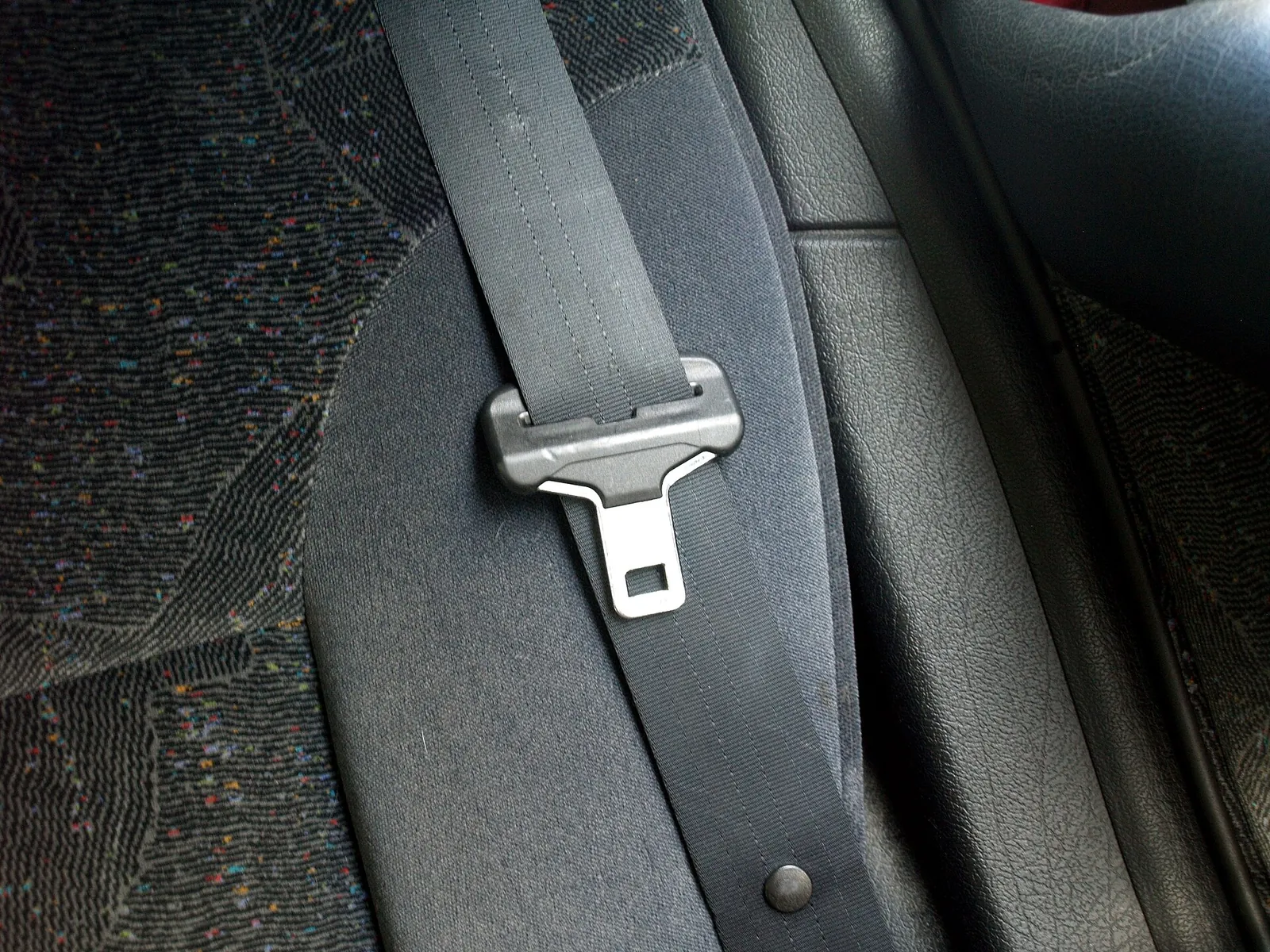
Wearing a seat belt in the front seat cuts your chance of being killed in a crash by about half. In the front seat of a light truck, it cuts it by about 60%. Of the people who died in vehicles in the US in 2022, among those whose belt use is known, half were not wearing one.
Cost
Free. It adds 2 seconds each time you get in the car.
No moneyDone in passingNo willpowerBenefit size large
Benefit
The US traffic safety authority (NHTSA) estimates that seat belts lower the risk of fatal injury for front-seat occupants of passenger cars by 45%. In the front seat of light trucks, by 60%. Of the people who died in passenger vehicles (cars built to carry people) in the US in 2022, among those whose belt use is known, 50% were not belted. By the World Health Organization's (WHO) measure, seat belts lower the risk of death for people in a vehicle by up to 50%. WHO estimates that 248,099 people died in road traffic crashes in China in 2021, which works out to 17.4 deaths per 100,000 people
Evidence grade
A
Notes
Buckle up in the back too. In the same report, 60% of the people killed in the second row were not belted. The 45% and 60% figures are estimates that the US traffic safety authority (NHTSA) calculated from crash databases (citing Kahane 2015), not randomized trials. WHO's death count for China is a modeled estimate, several times higher than the number registered by the traffic police. The two sources count over different scopes; only WHO's measure is used here.
Wear a helmet on a motorcycle or e-bike, and buckle the strap
Value for cost High
In plain terms
Wearing a helmet with the strap buckled makes a motorcycle rider about 40% less likely to die in a crash, and about 70% less likely to suffer a head injury. The strap has to be fastened tight; a helmet sitting loosely on your head does not count as wearing one.
Cost
A helmet costs 100 to 300 yuan. Putting it on takes 5 seconds each time.
A little moneyDone in passingNo willpowerBenefit size large
Benefit
Cochrane pooled the results of multiple studies. For motorcycle riders, wearing a helmet lowers the risk of death by 42%. The raw figure is OR 0.58, with a confidence interval of 95% CI 0.50 to 0.68. Head injuries fall by 69% (OR 0.31, 95% CI 0.25 to 0.38)
Evidence grade
A
Notes
The helmet's strap has to be buckled; a helmet hanging on the handlebars does not count as wearing one. The data above come from motorcycles. There is no direct research on e-bikes; the result is extrapolated from motorcycles, because in a collision the head is injured the same way.
Install smoke alarms; if you burn coal or use gas for heating indoors in winter, also install a carbon monoxide alarm
Value for cost High
In plain terms
One working smoke alarm can cut your chance of dying in a home fire by about 60%. When a fire starts, about 40% of people are asleep, and your nose alone will not wake you. If you burn coal or use gas indoors in winter, add a carbon monoxide alarm. In China in 2018, 11,500 people died of carbon monoxide poisoning, and in the three winter months about 70% of them died at home.
Cost
A smoke alarm costs 30 to 100 yuan. A carbon monoxide alarm costs 50 to 150 yuan. Once they are installed, change the batteries once a year.
A little moneyDone in passingNo willpowerBenefit size large
Benefit
A study of a set of home fires in the US state of North Carolina looked back and compared households where someone died with those where no one did. A household with one working smoke alarm had about 60% lower risk of death. The raw figure is OR 0.39, with a confidence interval of 95% CI 0.18 to 0.83. In the US from 2018 to 2020, of the fatal fires in occupied homes, 24% of the homes had no smoke alarm, and in 41% the people were asleep when the fire started. China reported 11,523 deaths from carbon monoxide poisoning in 2018. Of these deaths, 72.59% in December, 67.42% in January and 66.48% in February happened at home
Evidence grade
B
Notes
Why B: on the smoke alarm side there is only one study, and it worked by looking back and comparing households where someone died with those where no one did; it is not a randomized trial. There is no research on whether carbon monoxide alarms themselves lower deaths. The benefit here is inferred from the fact that “poisoning deaths cluster in winter and at home.”
Replace gas hoses and stoves when they reach the end of their service life, don't modify the gas pipes yourself, and feel free to turn away the gas company's door-to-door sales pitches
Value for cost High
In plain terms
A compliant hose costs a few tens of yuan. Replacing it when it expires is a user obligation written into the Regulations on the Administration of Urban Gas (城镇燃气管理条例). Modifying the pipes or removing the gas meter yourself is expressly prohibited by these regulations. The same regulations also say that the gas company cannot require you to buy the products and services it designates. A door-to-door pitch that says you “must replace” something can simply be turned away.
Cost
A compliant gas hose costs a few tens of yuan. A stove is replaced every few years. When you are replacing things anyway, take a quick look at whether it has expired.
A little moneyDone in passingNo willpowerBenefit size large
Benefit
The regulations make it a user's obligation to “promptly replace gas-burning appliances, connecting hoses and the like that the state has expressly ordered phased out or whose service life has expired”: when a stove or hose reaches the end of its service life or has been phased out by the state, you have to replace it. The regulations also list “installing, modifying or removing indoor gas facilities and gas metering devices without authorization” as prohibited conduct, and modifying the pipes or removing the gas meter yourself falls under this. The regulations also make clear that a gas operator may not require users to buy the products it designates, nor require users to accept the services it provides
Evidence grade
C
Notes
The text of the regulations can be checked word for word, but it only establishes that replacing an expired hose is your obligation; it does not say how many fewer accidents replacing it prevents. No official statistic was found on how much replacing hoses on schedule lowers gas accidents, so this gets only a C. Some people come to your door in the name of a “safety inspection” and, once the inspection is done, try to sell you self-closing valves and alarms. Article 20, item (6) of the regulations does not allow the gas company to require you to buy products it designates; you can refuse, and you can also file a complaint. If you smell gas, first shut the main gas valve; with bottled gas, close the cylinder valve. Then open the doors and windows to air the place out, and do not turn on the exhaust fan. Do not switch any electrical appliance, such as lights or the range hood, either on or off, and do not touch a lighter either. Then get out, and call the gas company's emergency number only after you have left the scene. Carbon monoxide poisoning is a separate matter; see Section 13.
Don't pick, buy or eat wild mushrooms; no “folk method of telling them apart” works
Value for cost High
In plain terms
In 2025 alone, there were 828 mushroom poisoning incidents nationwide, with 2165 people poisoned and 13 dead. That year, 34 species of mushroom that had never before been recorded poisoning people were newly identified. Testing with a silver needle, the idea that a mushroom insects have eaten is not poisonous, the idea that only brightly colored ones are poisonous: none of these claims holds up.
Cost
Free. The hard part is giving up a seasonal wild delicacy.
No moneyDone in passingSome willpowerBenefit size large
Benefit
In 2025 the China CDC (center for disease control) investigated 828 mushroom poisoning incidents involving 2165 people, with 13 deaths. The case fatality rate was 0.6%, meaning 0.6% of the people poisoned died. From 2019 to 2024 there were 276 to 676 incidents a year, with case fatality rates between 0.87% and 2.86%. In 2025 alone, 138 poisonous mushroom species were identified, 34 of which were recorded as causing poisoning in China for the first time
Evidence grade
A
Notes
If you have eaten the wrong one, make yourself vomit right away, then go to the hospital with the leftover mushrooms or photos you took of them. Mushroom poisoning comes in several types, and identifying which mushroom it was directly determines how the doctor treats it. Every year new species are recorded as poisoning people, so the premise that “locals can tell them apart” does not hold up in the first place. Testing with a silver needle, boiling with garlic, the idea that a mushroom insects have eaten is not poisonous, the idea that only brightly colored ones are poisonous: none of these claims holds up.
Sources
Mushroom Poisoning Outbreaks — China, 2025. China CDC Weekly (2026):「In 2025, China CDC investigated 828 mushroom poisoning incidents across 27 provincial-level administrative divisions (PLADs), affecting 2,165 individuals and causing 13 deaths - a case fatality rate of 0.6%, the lowest of the past six years. In total, 138 poisonous mushroom species were identified, including 34 newly recorded in poisoning incidents in China.」「From 2019 to 2024, the annual number of incidents ranged from 276 to 676, and the case fatality rate ranged from 0.87% to 2.86%.」https://doi.org/10.46234/ccdcw2026.120;同刊 2024 年度报告 https://doi.org/10.46234/ccdcw2025.106
Don't wheel an e-bike into the building corridor or into the elevator, and don't charge it at home
Value for cost High
In plain terms
Wheeling an e-bike into the building corridor or into the elevator, or charging it at home, is expressly prohibited by the Ministry of Emergency Management's Provisions on Fire Safety Management of High-Rise Civil Buildings (高层民用建筑消防安全管理规定). If you do not correct it, an individual is fined 500 to 1000 yuan and a business 2000 to 10000 yuan. The fine is the small part; what matters is that this kind of fire burns right in your only escape route.
Cost
Free. The hard part is parking at the shared charging point downstairs every time, which means walking a few dozen meters more.
No moneyDone in passingSome willpowerBenefit size large
Benefit
The Ministry of Emergency Management's rules expressly prohibit it: “parking electric bicycles, or charging electric bicycles, in the public entrance halls, evacuation walkways, stairwells and safety exits of high-rise civil buildings is prohibited.” In the building's entrance hall, corridors, stairwells and safety exits, you may neither park nor charge. Those who refuse to correct it are fined 500 to 1000 yuan if they are non-business organizations or individuals, and 2000 to 10000 yuan if they are businesses
Evidence grade
A
Notes
Don't buy modified batteries, don't use off-brand chargers, and don't leave it charging unattended all night. Once a lithium battery catches fire, the fire spreads across the whole area within tens of seconds and gives off highly toxic smoke at the same time. If a bike parked in the corridor catches fire, what burns is your only escape route. The Ministry of Emergency Management's published figures: in 2021 there were 18,000 e-bike fires nationwide, killing 65 people. Of these, 3782 were inside buildings and killed 60 people; almost all the dead were indoors. After the 2024 crackdown, the number of fires fell 42.2% from the year before and deaths and injuries fell by more than 90%; the absolute numbers for that year were not published.
Measure your blood pressure, and if it is high, take medication to bring it down to target
Value for cost High
In plain terms
For every 10 mmHg drop in blood pressure, the chance of a major cardiovascular problem falls by about 20%, stroke by 27%, heart failure by 28%, and the chance of death by 13%. Among people aged 35 to 75 in China, 44.7% have high blood pressure, and only 7.2% truly have it under control.
Cost
An electronic blood pressure monitor costs 100 to 200 yuan. One measurement takes 1 minute. Most blood pressure drugs cost from a few yuan to a few tens of yuan a month. The hard part is to keep taking them even when you have no symptoms.
A little moneyDone in passingSome willpowerBenefit size large
Benefit
Pooling 123 trials with more than 610,000 people: for every 10 mmHg drop in systolic blood pressure, major cardiovascular events are about 20% lower. The raw figure is RR 0.80, with a confidence interval of 95% CI 0.77 to 0.83. Systolic pressure is the higher of the two blood pressure numbers. Stroke is about 27% lower (RR 0.73). Heart failure is about 28% lower (RR 0.72). All-cause mortality falls by 13% (RR 0.87, 95% CI 0.84 to 0.91). China screened 1,700,000 people aged 35 to 75: 44.7% had high blood pressure. Of these, 44.7% knew they had it, 30.1% were being treated, and only 7.2% had it under control
Evidence grade
A
Notes
First, go get your blood pressure measured once. In China, fewer than 1 in 10 people with high blood pressure have it under control, so this one measurement is among the best value-for-cost actions in this book. What counts as on target (130 or 140) is still debated, but “knowing you have high blood pressure and bringing it down” is not itself in dispute.
Sources
Ettehad D 等 (2016). Blood pressure lowering for prevention of cardiovascular disease and death: a systematic review and meta-analysis. Lancet. https://doi.org/10.1016/S0140-6736(15)01225-8 ; Lu J 等 (2017). Prevalence, awareness, treatment, and control of hypertension in China (China PEACE Million Persons Project). Lancet. https://doi.org/10.1016/S0140-6736(17)32478-9
After 35, if you are overweight, get a fasting blood glucose test once, and if it is normal, retest every three years
Value for cost Standard
In plain terms
For a few tens of yuan and one tube of blood, you can find prediabetes while you have no symptoms at all. The official US screening recommendation is: people aged 35 to 70 who are overweight or obese should get tested. Those whose results are normal should retest every three years. The US counts a body mass index of 25 as overweight, relaxed to 23 for people of Asian descent; the Chinese standard counts 24 as overweight.
Cost
A fasting blood glucose test costs a dozen or so yuan. A glycated hemoglobin test costs a few tens of yuan. One blood draw at the hospital is all it takes.
A little moneyDone in passingNo willpowerBenefit size medium
Benefit
The US Preventive Services Task Force is the official US body that issues screening recommendations. Its current recommendation is to screen adults aged 35 to 70 who are overweight or obese for prediabetes and type 2 diabetes, even if they have no symptoms at all. Overweight means a body mass index ≥25; obese means ≥30. For Asian Americans, it recommends lowering the threshold to a body mass index ≥23, because at the same body mass index people of Asian descent have a higher risk of diabetes. China's industry standard is: a body mass index from 24.0 to 28.0 counts as overweight, and ≥28.0 as obese. This recommendation's grade is B. It also states: “For adults with normal blood glucose, screening every 3 years is a reasonable approach”
Evidence grade
A
Notes
Finding prediabetes does not mean you have to take medication. A sizable share of people can reverse it through lifestyle changes alone. Among adults in China, those who know they have diabetes have always been a minority; many only find out once complications appear
When driving, don't speed and don't drink and drive
Value for cost High
In plain terms
For every 1% rise in average speed, the chance of a crash that kills someone rises by about 4%. With alcohol there is no “a little is fine” safe line. While the alcohol concentration in your blood is still very low, the risk is already starting to climb.
Cost
Free. Driving a little slower adds a few minutes per trip. The hard part is drinking less at dinner gatherings.
No moneyDone in passingSome willpowerBenefit size large
Benefit
The World Health Organization (WHO) says: every 1% rise in average speed raises the risk of a fatal crash by 4%. The risk from drunk driving starts rising at very low blood alcohol concentrations
Evidence grade
B
Notes
The 1% and 4% figures linking speed to deaths are calculated from crash models, not randomized trials. On drunk driving, WHO gives only a direction, not a number. This section has not checked the original literature on the question of “how much drinking raises the risk by how much.”
In the car, use a safety seat for children 4 and under; don't hold them in your arms
Value for cost High
In plain terms
Using a safety seat for babies under one year old lowers their chance of fatal injury in a crash by about 70%. For children aged 1 to 4, by about half. Holding them in your arms has no such effect; when the car brakes hard, you cannot hold on to them.
Cost
300 to 2000 yuan for one, and it lasts several years. Strapping the child in adds 1 minute each time you get in the car.
Real moneyDone in passingNo willpowerBenefit size large
Benefit
The US traffic safety authority (NHTSA) estimates that a child safety seat lowers the risk of fatal injury in a passenger car by 71% for infants under 1 year old, and by 54% for toddlers aged 1 to 4. By the World Health Organization's (WHO) measure, infant deaths fall by 71%
Evidence grade
A
Notes
Secure the seat as the instructions say; a seat installed wrong is as good as no seat. For children under 1, install it rear-facing, so the child faces the back of the car. The numbers above are estimates that US officials made from crash data.
If there are small children at home, fit restrictors on the windows and balcony; window screens are not protection
Value for cost High
In plain terms
A set of restrictors costs a few tens of yuan. New York City installed window guards free for high-risk households and sent people to their homes to explain them; in one borough, reported child falls fell by half in three years. Later New York went all the way and passed a law requiring landlords to install guards in homes where young children live. A window screen gives way with one push and does not count as protection.
Cost
A set of window restrictors or child safety locks costs a few tens of yuan. Installing them takes ten minutes.
A little moneyDone in passingNo willpowerBenefit size large
Benefit
Starting in 1972, New York City ran a program called “Children Can't Fly,” which handed out free window guards in high-risk districts and made home visits to explain them. Reported falls in the Bronx fell 50% from 1973 to 1975. New York City then amended its health code to require landlords to install window guards in apartments where children aged 10 and under live
Evidence grade
B
Notes
Do not put beds, sofas, boxes or anything else a small child can climb onto next to windows or balcony edges. A window screen only keeps out mosquitoes and falls out with one push; do not treat it as a guard. And it is not only people who live in high-rises who need restrictors: in that US data, most falls were from the second story or lower.
Sources
Spiegel CN, Lindaman FC (1977). Children can't fly: a program to prevent childhood morbidity and mortality from window falls. American Journal of Public Health:「Significant reduction in falls resulted, particularly in the Bronx, where reported falls declined 50 percent from 1973 to 1975」,1976 年纽约市卫生法典修订「to require that landlords provide window guards in apartments where children ten years old and younger reside」. https://doi.org/10.2105/AJPH.67.12.1143;(2021). Unintentional Window Falls in Children and Adolescents. Academic Pediatrics:2007 年 1 月至 2017 年 8 月全国电子伤害监测系统 38,840 例急诊就诊,「The majority of falls occurred in children under the age of 6 and were related to falls from a second story or below」. https://doi.org/10.1016/j.acap.2020.07.008
Keep children in sight near water, and wear a life jacket when boating or swimming in open water
Value for cost High
In plain terms
If you fall into the water wearing a life jacket, your chance of drowning is only about half that of someone not wearing one. Drowning is still the leading cause of death for children aged 1 to 14 in China. The drowning death rate in rural areas is about twice that in cities.
Cost
A life jacket costs 50 to 200 yuan. On top of that, it takes your attention to keep watching the children.
A little moneyA few hoursNo willpowerBenefit size large
Benefit
A study using US Coast Guard data compared people in pairs matched for similar circumstances. Among people who fell into the water from recreational boats, those wearing a life jacket had about half the risk of drowning. The raw figure is an adjusted RR 0.51, with a confidence interval of 95% CI 0.35 to 0.74. In China, the drowning death rate for people under 20 fell from 6.60 per 100,000 in 2013 to 3.28 per 100,000 in 2021. The rural rate is about 2 times the urban rate. Drowning is still the leading cause of death for children aged 1 to 14. Of injury deaths at ages 0 to 19 in 2021, drowning accounted for 31.1% and road traffic for 27.9%
Evidence grade
A
Notes
The A grade covers only the life jacket half. “Keeping them in sight” is a matter of consensus; on its own it rates only a C. There is no randomized trial, and there never will be. Drowning deaths in China are concentrated in rural areas, in summer, and among males aged 15 to 19. For playing on ice in winter, see Item 41 (measure the thickness of outdoor ice first).
Sources
Cummings P 等 (2011). Association between wearing a personal floatation device and death by drowning among recreational boaters. Injury Prevention. https://doi.org/10.1136/ip.2010.028688 ; Li Z 等 (2023). Unintentional Drowning Mortality Among Individuals Under Age 20 — China, 2013–2021. China CDC Weekly. https://doi.org/10.46234/ccdcw2023.198 ; Zhou J 等 (2024). Injury Mortality of Children and Adolescents Aged 0–19 Years — China, 2010–2021. China CDC Weekly. https://doi.org/10.46234/ccdcw2024.057
If you are 60 or over, train your balance and leg strength, and adapt the bathroom and stairs at home
Value for cost Standard
In plain terms
Balance training two or three times a week, such as tai chi, lowers the number of falls in older people by about 23%, and the number of people who fall by 15%. Making the home slip-resistant and installing grab bars lowers it by about another 20%. In China, falls are the leading cause of injury death among people 65 and over, and more than half of falls happen right in their own homes.
Cost
2 to 3 sessions a week, 30 minutes each, of tai chi or balance training. A non-slip bath mat, grab bars and night lights cost from a few tens to a few hundred yuan. The hard part is keeping up the practice over the long term.
A little moneyTime every dayLots of willpowerBenefit size large
Benefit
Cochrane pooled 108 trials with 23,407 people. Exercise lowered the number of falls among older people by 23%. The raw figure is a rate ratio for falls of RaR 0.77, with a confidence interval of 95% CI 0.71 to 0.83. The number of people who fell dropped 15% (RR 0.85). Having someone come to the home to assess its safety and make changes lowered the fall rate by about 20% (RR 0.81, 95% CI 0.68 to 0.97). Practicing tai chi lowered the risk of falling by about 29% (RR 0.71). In China, falls are the leading cause of injury death among people 65 and over. Of the falls among older people recorded by surveillance in 2018, 55.97% happened at home
Evidence grade
A
Notes
This item applies to people 60 and over who live in their own homes, not in nursing homes. The studies above counted falls, not deaths. For an older person, the road from a fall to a hip fracture and then to death is short. Not seeing clearly also leads to more falls; for cataracts that affect how well you see where you are going, see Section 17, Item 9 (cataract surgery). For older people pulled over by a dog while walking it, see Section 17, Item 10 (older people walking dogs). For whether your bones can withstand a fall, see Item 39 of this section (bone density testing).
Get the hepatitis B five-marker panel (乙肝两对半), and if you have no antibodies, get vaccinated
Value for cost High
In plain terms
The test costs a few tens of yuan. In the Qidong trial, which followed people for 30 years, those vaccinated against hepatitis B at birth were later 84% less likely to get primary liver cancer, and 72% less likely to be carrying the hepatitis B virus. Adults found to have no antibodies should catch up with three doses, finished within six months, for one or two hundred yuan.
Cost
The test costs a few tens of yuan. The adult hepatitis B vaccine takes 3 doses, 100 to 300 yuan in total, completed within six months.
A little moneyDone in passingNo willpowerBenefit size large
Benefit
The Qidong trial randomized by group, not by individual, and followed people for 30 years. Vaccinating newborns against hepatitis B lowered primary liver cancer by 84%. The confidence interval is 95% CI 23% to 97%. The hepatitis B surface antigen (HBsAg) positivity rate fell 72% (95% CI 68% to 75%); this positivity rate is the share of people found to be carrying the virus. In China, the HBsAg-positive share of the whole population fell 52% from 1992 to 2014, and fell 97% among children under 5
Evidence grade
A
Notes
This item applies to adults born before 1992 who were never vaccinated or whose antibodies have disappeared. The 84% drop in liver cancer comes from people vaccinated at birth. In the same trial, for those who got catch-up shots only as adolescents, the protection against becoming a virus carrier was only 21%. Adults get vaccinated mainly so that they will not be infected; that 84% cannot be applied to them directly. Vaccination does no good for people who are already infected; they should go for regular checkups at a hepatology (liver disease) department. How to tell if you are already infected: the hepatitis B surface antigen (HBsAg) line on your lab report is positive.
Sources
Qu C 等 (2014). Efficacy of neonatal HBV vaccination on liver cancer and other liver diseases over 30-year follow-up of the Qidong hepatitis B intervention study. PLoS Medicine. https://doi.org/10.1371/journal.pmed.1001774 ; Cui F 等 (2017). Prevention of Chronic Hepatitis B after 3 Decades of Escalating Vaccination Policy, China. Emerging Infectious Diseases. https://doi.org/10.3201/eid2305.161477
If you are pricked by an iron nail or a wood splinter, or a wound gets soil in it, get it treated the same day and ask whether you need a tetanus shot
Value for cost High
In plain terms
Once tetanus sets in, about 1 in every 10 people die. Deep wounds and wounds with soil in them carry the highest risk. If the wound is dirty and it has been 5 years or more since your last shot, you need 1 booster. Treating it the same day costs no more than a few tens of yuan; don't wait until the wound swells up.
Cost
Registration plus wound care costs a few tens of yuan. If the doctor says you need a shot, the vaccine or immunoglobulin costs from a few tens to a few hundred yuan.
A little moneyDone in passingNo willpowerBenefit size large
Benefit
Among tetanus cases in the US, about 1 in every 10 is fatal. Deep wounds and wounds contaminated with soil carry a higher risk. China's 2024 diagnosis and treatment protocol splits wounds into two tiers. Shallow wounds treated within 6 hours and not contaminated with soil, feces or animal saliva count as low risk. Wounds treated after more than 6 hours, or contaminated with these things, or that are puncture wounds, avulsion wounds, crush injuries, burns or scalds, frostbite, or wounds with a foreign object left inside, count as high risk. If you have had 3 or more doses and the last one was under 5 years ago, you need nothing. If it has been 5 to 10 years, a high-risk wound needs 1 booster. If it has been a full 10 years, either tier needs 1 booster. If you never completed 3 doses or cannot remember, you need to complete the vaccine series, and for a high-risk wound you also need a passive immunization product at the same time (an injection that gives you antibodies directly, such as immunoglobulin or antitoxin)
Evidence grade
B
Notes
At the hospital, let the doctor judge; don't decide on your own, and don't skip asking because it is a hassle. Not every wound needs a shot. The doctor will look at which tier the wound falls into, ask when your last shot was, and then decide. “A shot as a child protects you for life” is wrong. If the wound is dirty, you need a booster once it has been 5 years since your last shot. So before you go, think about which year you last had a tetanus shot.
Sources
美国疾病控制与预防中心. 破伤风:「Tetanus bacteria can get into someone's body through broken skin, usually through injuries.」「Tetanus can lead to death (1 in 10 cases in the United States are fatal).」「People who didn't complete the primary series or who aren't up to date with their 10-year tetanus booster shots are also at increased risk.」「Vaccination also helps prevent tetanus in people with wounds, depending on their tetanus vaccination history.」https://www.cdc.gov/tetanus/about/index.html;国家卫生健康委办公厅 (2024). 关于印发非新生儿破伤风诊疗规范(2024 年版)的通知(国卫办医急函〔2024〕381 号,风险分级见附件第 16 页,表 4 见第 20 页). https://www.gov.cn/zhengce/zhengceku/202410/content_6982262.htm;附件 PDF(扫描件). https://www.gov.cn/zhengce/zhengceku/202410/P020241023483425528555.pdf
Women: get the HPV vaccine, the earlier the better
Value for cost High
In plain terms
In Swedish data on 1,670,000 women, those who got the HPV vaccine before age 17 were later only about one-eighth as likely to get invasive cervical cancer as those who were not vaccinated. Those who got it only at 17 to 30 were still at only about half the risk. So the earlier you get it, the more it is worth.
Cost
The domestically made bivalent vaccine is roughly 300-odd yuan a dose; the imported nine-valent vaccine is about 1300 yuan a dose. 2 to 3 doses in all. Each dose takes a trip, half a day.
Real moneyDone in passingNo willpowerBenefit size large
Benefit
Sweden followed 1,670,000 women and ran the statistics: women who had been vaccinated had a lower incidence of invasive cervical cancer than those who had not. Those vaccinated before 17 had about 88% lower incidence (IRR 0.12, 95% CI 0.00 to 0.34; the parentheses give the raw figure and its confidence interval). Those vaccinated at 17 to 30 had about 53% lower incidence (IRR 0.47, 95% CI 0.27 to 0.75)
Evidence grade
A
Notes
The benefit is greatest when vaccinated at 9 to 14. Vaccinated at 17 to 30, there is still a drop of more than half. Vaccinated after 30, the benefit keeps getting smaller. Even if you are vaccinated, you still need cervical cancer screening; the vaccine cannot replace screening. See Item 18 (cervical cancer screening for women over 30).
Women: start breast cancer screening at 40, with a mammogram every two years
Value for cost Standard
In plain terms
A mammogram every two years for women aged 40 to 74 is explicitly recommended in the official US screening recommendation. For women 75 and over, and for adding ultrasound or MRI for dense breasts, the official conclusion is that the evidence is not yet sufficient. When a checkup package charges extra for these, you can skip them.
Cost
A mammogram costs two or three hundred yuan each time. Many areas have free screening programs. Half a day every two years.
A little moneyDone in passingNo willpowerBenefit size medium
Benefit
The US Preventive Services Task Force is the official US body that issues screening recommendations. Its current recommendation is: “screening breast X-ray imaging every two years is recommended for women aged 40 to 74.” Breast X-ray imaging (乳腺 X 线摄影) is what people usually call a mammogram (钼靶). This recommendation's grade is B. For women 75 and older, and for adding ultrasound or MRI to screen dense breasts, it rules that “the current evidence is insufficient”
Evidence grade
A
Notes
The age to start differs from country to country; some guidelines and local programs in China start at 45. People whose parent, child or biological sibling has had breast cancer, and people who carry a BRCA mutation, are at high risk and should work out a separate plan with a doctor; this item does not apply to them
Women over 30: get cervical cancer screening, preferably with an HPV test
Value for cost High
In plain terms
In the trial in rural India, women who had only a single HPV test in their lives were about half as likely to die of cervical cancer, and about 50% less likely to be diagnosed with advanced cervical cancer. One test costs one or two hundred yuan, and a negative result covers you for 5 years.
Cost
An HPV test costs 100 to 300 yuan each time. If the result is negative, once every 5 years is enough. Taking the sample takes a few minutes.
A little moneyDone in passingNo willpowerBenefit size large
Benefit
The rural India trial randomized by group, not by individual. The participants were women aged 30 to 59. A single HPV-test screening was enough to lower the risk of dying of cervical cancer by about 48%. The raw figure is HR 0.52, with a confidence interval of 95% CI 0.33 to 0.83. The risk of being diagnosed with advanced cervical cancer was about 53% lower (HR 0.47, 95% CI 0.32 to 0.69)
Evidence grade
A
Notes
People who have had the HPV vaccine also need screening, because the vaccine does not cover every type of the virus. What makes this study unusual: it is a randomized screening trial, it used deaths directly as the outcome, and it screened only one round.
Sources
Sankaranarayanan R 等 (2009). HPV screening for cervical cancer in rural India. New England Journal of Medicine. https://doi.org/10.1056/NEJMoa0808516
Starting between 45 and 50, get colorectal cancer screening: either a fecal immunochemical test that checks the stool for hidden blood, or a colonoscopy
ContestedValue for cost Standard
In plain terms
A stool test for hidden blood that costs a few tens of yuan, done every year or two, lowers the chance of dying of colorectal cancer by about 16%, and by 25% for people who have done at least one round. For people invited to have one colonoscopy, the chance of getting colorectal cancer over the next ten years fell from 1.20% to 0.98%.
Cost
A stool test costs a few tens of yuan, done every 1 to 2 years. A colonoscopy costs from a few hundred to over a thousand yuan; if the result is negative, once every 10 years is enough. Before a colonoscopy, set aside a day to clear out your bowels.
A little moneyA few hoursNo willpowerBenefit size medium
Benefit
Cochrane pooled the results of multiple studies. People screened with stool tests for hidden blood had about a 16% lower risk of dying of colorectal cancer. The raw figure is RR 0.84, with a confidence interval of 95% CI 0.78 to 0.90. People who took part in at least one round had about 25% lower risk (RR 0.75). Then there is the NordICC randomized trial. Among people invited to have a colonoscopy, colorectal cancer incidence over 10 years fell from 1.20% to 0.98%. The raw figure is RR 0.82, with a confidence interval of 95% CI 0.70 to 0.93
Evidence grade
A
Notes
Contested. NordICC counted everyone who was “invited to have a colonoscopy”; colorectal cancer deaths were 0.28% versus 0.31% (RR 0.90, 95% CI 0.64 to 1.16), a difference still within the margin of error. This shows that the mortality benefit of colonoscopy was overestimated in the past. The mortality evidence for stool testing is, if anything, stronger. On the age to start, national guidelines range from 45 to 50. People with a family member who has had this cancer should start earlier.
Sources
Hewitson P 等 (2007). Screening for colorectal cancer using the faecal occult blood test, Hemoccult. Cochrane Database of Systematic Reviews. https://doi.org/10.1002/14651858.CD001216.pub2 ; Bretthauer M 等 (2022). Effect of Colonoscopy Screening on Risks of Colorectal Cancer and Related Death. New England Journal of Medicine. https://doi.org/10.1056/NEJMoa2208375
People with cardiovascular disease and older people: get a flu shot every year
ContestedValue for cost High
In plain terms
In the trial of flu shots after a heart attack, the share who died within a year fell from 4.9% to 2.9%. People with cardiovascular disease and older people should get one shot every autumn, for 50 to 150 yuan.
Cost
50 to 150 yuan a shot. One shot every autumn.
A little moneyDone in passingNo willpowerBenefit size large
Benefit
A trial done after myocardial infarction (heart attack) randomized 2571 people. Neither the doctors nor the patients knew which shot was given. Among people given the flu vaccine, all-cause mortality over 12 months was 2.9%. Among people given placebo, it was 4.9%. The raw figure is HR 0.59, with a confidence interval of 95% CI 0.39 to 0.89. A placebo is a control shot with no active ingredient. For cardiovascular death, the HR was 0.59. Another study pooled the results of multiple studies. Among people given the flu vaccine, major cardiovascular events were 3.6%, versus 5.4% in the control group. The raw figure is RR 0.66, with a confidence interval of 95% CI 0.53 to 0.83. For cardiovascular death, RR 0.74 (95% CI 0.42 to 1.30; this difference is still within the margin of error and does not count as statistically significant)
Evidence grade
A
Notes
Contested. The A grade applies only to people with cardiovascular disease. For older people who are otherwise healthy, the Cochrane review gives only one conclusion: flu cases in one season fall from 6% to 2.4%. It rates the certainty of this evidence as “low,” and the evidence on mortality as “very low.” The review is the 2018 paper by Demicheli V et al.
In the Phase III trial, this vaccine prevented 97% of shingles cases, and it was about the same in every age group. The downside is that the two doses cost three to four thousand yuan, all out of pocket. What that money buys is a 97% drop in incidence.
Cost
The recombinant shingles vaccine takes two doses, about 3000 to 4000 yuan in total. You pay all of it out of pocket.
Real moneyDone in passingNo willpowerBenefit size medium
Benefit
A Phase III trial spanned 18 countries and 15,400 people. It randomly split people into two groups, one given the vaccine and one a control shot, and followed them for an average of 3.2 years. Shingles occurred in 6 people in the vaccine group and 210 in the placebo group. Per thousand person-years, that is 0.3 versus 9.1; “per thousand person-years” means the number of cases among 1000 people each observed for one year. The original paper states: “overall vaccine efficacy against herpes zoster was 97.2% (95% CI 93.7–99.0, P<0.001).” Efficacy across the age groups ranged from 96.6% to 97.9%
Evidence grade
A
Notes
It ranks low on value for cost because it is expensive. Shingles itself rarely kills; the trouble is postherpetic neuralgia (nerve pain after shingles), which can hurt for months to years. After the shots, the rates of pain where you were injected and of fever are not low. In the most severe tier (grade three symptoms), the rate was 17.0% versus 3.2%
Sources
Lal H, Cunningham AL, Godeaux O, et al. (2015). Efficacy of an adjuvanted herpes zoster subunit vaccine in older adults. New England Journal of Medicine, 372(22), 2087-2096. https://doi.org/10.1056/NEJMoa1501184
In a trial of 84,500 older people, the 13-valent pneumococcal vaccine blocked about 46% of pneumonia from the few types the vaccine covers, and blocked 75% of invasive infections, the most dangerous kind. But it showed no effect on “pneumonia from all causes”, so don't count on it to prevent all pneumonia.
Cost
A few hundred yuan. Some areas give it to older people for free.
A little moneyDone in passingNo willpowerBenefit size medium
Benefit
The Netherlands randomly split 84,500 people aged 65 or older into two groups and compared them. The vaccine used was the 13-valent pneumococcal conjugate vaccine. Its efficacy against vaccine-type pneumonia was 45.6%. The confidence interval is 95.2% CI 21.8–62.5. Vaccine-type means the few strains this vaccine covers. Its efficacy against invasive pneumococcal disease was 75.0% (95% CI 41.4–90.8); this is the most dangerous kind of infection. Against pneumonia from all causes added together, it had no effect
Evidence grade
A
Notes
It only protects against the few types the vaccine covers; getting it does not mean you won't get pneumonia. The vaccine older people in China commonly get is the 23-valent polysaccharide vaccine, which is not the same thing as the 13-valent conjugate vaccine used in this trial, so the efficacy figures above cannot be applied to it directly
Sources
Bonten MJ, Huijts SM, Bolkenbaas M, et al. (2015). Polysaccharide conjugate vaccine against pneumococcal pneumonia in adults. New England Journal of Medicine, 372(12), 1114-1125. https://doi.org/10.1056/NEJMoa1408544
Get tested for Helicobacter pylori, and if positive, get it eradicated
Value for cost High
In plain terms
In the trial in Linqu, Shandong, which followed people for 22 years, people whose Helicobacter pylori was eradicated were about half as likely to get stomach cancer later, and about 40% less likely to die of stomach cancer. One test costs one or two hundred yuan; eradication takes two weeks of medicine.
Cost
A carbon-13 or carbon-14 breath test costs 100 to 200 yuan. Eradication means taking four drugs at the same time; two weeks of drugs cost 200 to 500 yuan. The hard part is taking those two weeks of drugs on schedule, all the way to the end.
A little moneyDone in passingSome willpowerBenefit size large
Benefit
The randomized trial in Linqu, Shandong followed people for 22 years. People who had received Helicobacter pylori eradication treatment had about half the risk of getting stomach cancer. The raw figure is OR 0.48, confidence interval 95% CI 0.32 to 0.71. Their risk of dying of stomach cancer was about 38% lower (HR 0.62, 95% CI 0.39 to 0.99)
Evidence grade
A
Notes
You can be reinfected after eradication, so family members should get tested and treated together. The people in this trial lived in an area where stomach cancer is common. People who live in areas where it is uncommon will actually get much less benefit.
Sources
Li WQ 等 (2019). Effects of Helicobacter pylori treatment and vitamin and garlic supplementation on gastric cancer incidence and mortality: follow-up of a randomized intervention trial. BMJ. https://doi.org/10.1136/bmj.l5016
If you are a heavy smoker, get a low-dose chest CT once a year
Value for cost High
In plain terms
Eligible heavy smokers who get a low-dose CT once a year are 20% less likely to die of lung cancer than those who only get a chest X-ray, and 6.7% less likely to die overall. The price is follow-up tests after a suspicious result, and the anxiety of that stretch of time.
Cost
200 to 400 yuan a scan, done in 10 minutes. Also count the follow-up tests after a false alarm, and the anxiety of that stretch of time.
A little moneyDone in passingNo willpowerBenefit size large
Benefit
The US NLST randomized trial enrolled 53,454 people, all aged 55 to 74, with a smoking history of 30 pack-years or more, and who had quit no more than 15 years earlier. A pack-year is a unit for counting how much someone has smoked: a pack a day for one year is one pack-year. Here are the results. People who got low-dose CT, compared with people who only got a chest X-ray, had a 20.0% relative drop in lung cancer deaths. Confidence interval 95% CI 6.8 to 26.7. All-cause mortality fell 6.7% in relative terms, confidence interval 95% CI 1.2 to 13.6
Evidence grade
A
Notes
This item applies only to high-risk smokers. In the same trial, 24.2% of the people who got low-dose CT had a suspicious result, and 96.4% of those were false alarms (false positives). For a nonsmoker, getting this test means paying for anxiety.
Sources
National Lung Screening Trial Research Team (2011). Reduced Lung-Cancer Mortality with Low-Dose Computed Tomographic Screening. New England Journal of Medicine. https://doi.org/10.1056/NEJMoa1102873
When you are depressed or having suicidal thoughts, call 12356, and don't stockpile sleeping pills or pesticides at home
Value for cost Very high
In plain terms
Taking things that can kill out of easy reach: the evidence for measures like this keeps getting stronger. After painkillers were controlled, related suicides fell 43%; at places where people often jump, putting up barriers cut them by 86%. So don't stockpile sleeping pills or pesticides at home. When things feel unbearable, call 12356 first; it works nationwide and is open at least 18 hours a day.
Cost
Free. One phone call. Also lock the medicines away, and don't keep pesticides at home.
No moneyDone in passingNo willpowerBenefit size large
Benefit
A review that systematically went through the past 10 years of research: the evidence for restricting access to lethal means keeps getting stronger. After painkillers were controlled, painkiller-related suicides fell 43%. After barriers were added at sites where people often jump, they fell 86% (79% to 91%; the range in parentheses is the confidence interval for this number). School-based cognitive programs lowered suicide attempts by about 55% (OR 0.45, 95% CI 0.24 to 0.85). Medication and psychotherapy for depression are an important part of preventing suicide. In China, from May 1, 2025, dialing 12356 anywhere in the country connects you to the 12356 mental-health hotline, open no less than 18 hours a day
Evidence grade
B
Notes
Why a B: most of the evidence on restricting means comes from ecological studies, which compare the numbers before and after a policy came in; there is no evidence that the hotline itself lowers mortality. A suicidal impulse often lasts only a few minutes to a few hours, so moving lethal things one step further away is an intervention in itself. For data on this time scale, and on long-term outcomes after an attempt, see Item 32 of this section (tell one person near you as soon as a suicidal thought appears). For what can be left behind after someone is saved, see Item 33 of this section.
Get a fire extinguisher, a fire blanket, escape breathing masks and a first-aid kit, and check them once a year
ContestedValue for cost Standard
In plain terms
The fire extinguisher, fire blanket, escape mask and first-aid kit are all on the Ministry of Emergency Management's list of 11 household emergency items. A set costs a few hundred yuan, and you buy it once. In the studies that gave home safety guidance in people's homes, the injury rate was about a quarter lower.
Cost
A fire extinguisher, a fire blanket, one breathing mask per person, plus a first-aid kit: a set costs a few hundred yuan. You buy it once; after that, spend ten minutes a year checking it all.
A little moneyDone in passingNo willpowerBenefit size medium
Benefit
The Ministry of Emergency Management's National Basic Recommended List of Household Emergency Supplies (全国基础版家庭应急物资储备建议清单) has 11 items in all. Of these, the “fire extinguisher and fire blanket” are for “putting out fires in their early stage”, and the list also states that “the fire blanket can be draped over the body to escape”. The “breathing mask” means a “fire filter-type self-rescue respirator, for use in escaping fires”. The “topical medicines” are “hemostatic powder, hemostatic patches, gauze bandages and the like, for treating wounds”. Cochrane pooled 98 studies covering 2,605,044 people. Home safety interventions brought the injury rate to IRR 0.89. The confidence interval is 95% CI 0.78 to 1.01. Among them, interventions delivered in the home lowered the injury rate by about 25% (IRR 0.75, 95% CI 0.62 to 0.91)
Evidence grade
B
Notes
Contested. In the same Cochrane pooled analysis, the kind of intervention that did not hand out equipment lowered the injury rate by about 20%. The raw figure is IRR 0.78, confidence interval 95% CI 0.66 to 0.92. The groups that did hand out equipment did no better. What lowered injuries was mainly education and modifications in the home, so the benefit of the equipment is rated “medium”, not “large”. When buying a fire extinguisher, look for the CCC mark; on a stored-pressure extinguisher the needle should sit in the green zone. Most fire blankets are fiberglass; hold only the two pull tapes, and don't touch the blanket surface with bare hands. Using it to cover a burning pan of oil is also contested: in 2014 the Dutch regulator tested 22 brands, and used the way an ordinary person would use them, not one could reliably put the fire out. When oil in a pan catches fire, first turn off the heat and put the lid on. For smoke alarms and carbon monoxide alarms, see Item 3 of this section. For how to use a tourniquet, see Section 13, Item 12. For how to choose each item, where to keep it and how many years before replacing it, see Household emergency equipment list
If you see blood in your urine with the naked eye, get checked once, even if it doesn't hurt, even if it has cleared by the next day
Value for cost Standard
In plain terms
When someone over 60 has one episode of blood in the urine that can be seen with the naked eye, the chance it turns out to be bladder cancer is about 2.8%; at 40 to 59 it is about 1.2%. That is not a high number, but it is high enough that you must get checked once. Get checked even if the bleeding has stopped by the next day.
Cost
A routine urine test costs a few dozen yuan; a urinary tract ultrasound costs one or two hundred yuan. If the doctor thinks it necessary, add a cystoscopy, around a thousand yuan.
A little moneyA few hoursNo willpowerBenefit size small
Benefit
The UK used electronic records from community general practice (primary care) for a study of 4915 bladder cancer cases against 21718 controls. Among people with blood in the urine visible to the naked eye, the share who were eventually found to have bladder cancer was as follows. Over 60: 2.8%, confidence interval 95% CI 2.5 to 3.1. Aged 40 to 59: 1.2%, confidence interval 0.6 to 2.3. The technical name for this share is the positive predictive value. Blood in the urine that can only be seen under a microscope matters too. Odds ratio 20, confidence interval 95% CI 12 to 33. For people over 60, this share is 1.6%, confidence interval 1.2 to 2.1
Evidence grade
B
Notes
“It doesn't hurt” is the key. Blood in the urine from stones or infection usually comes with colicky pain in the lower back or belly, or with frequent, urgent or painful urination. Blood from a tumor often causes no sensation at all, and it may stop for a few days and then come back, which is how many people let it go. Taking anticoagulants is not a reason to skip the checkup. Blood in the urine after hard exercise, or around a woman's period, can be rechecked once before deciding. The benefit is rated “small” because there is only a detection rate, with no effect size for “how much checking early lowers deaths”.
Sources
Price SJ, Shephard EA, Stapley SA, Barraclough K, Hamilton WT (2014). Non-visible versus visible haematuria and bladder cancer risk: a study of electronic records in primary care. British Journal of General Practice, 64(626), e584-e589. https://doi.org/10.3399/bjgp14X681409
If you have erection problems, get your heart and blood vessels checked first; don't treat it as merely a “bedroom problem”
Value for cost Standard
In plain terms
Men with erectile dysfunction later get cardiovascular disease about 40% more often than other men, and heart attacks about 60% more often. The younger the man, the bigger the gap. This problem often shows up before chest pain does. So first get your blood pressure, blood sugar and blood lipids checked; don't buy drugs on your own to cover it up.
Cost
Registration costs a few dozen yuan. Measuring blood pressure plus a blood draw to check blood sugar and blood lipids costs one or two hundred yuan. One trip to the hospital, and a few days' wait for the results.
A little moneyA few hoursNo willpowerBenefit size medium
Benefit
A meta-analysis pooled 14 follow-up studies, 92,757 men in all, followed for an average of 6.1 years. Compared with men without erectile dysfunction, men with it had the following later risks. Total cardiovascular events about 44% higher (RR 1.44, 95% CI 1.27 to 1.63; this is the confidence interval). Heart attack about 62% higher (RR 1.62, 1.34 to 1.96). Cerebrovascular events about 39% higher (RR 1.39, 1.23 to 1.57). All-cause mortality about 25% higher (RR 1.25, 1.12 to 1.39). Cardiovascular death showed no clear gap (RR 1.19, 0.97 to 1.46). The younger the age, the higher the multiple. Men whose cardiovascular risk was intermediate to begin with had a higher multiple than both high-risk and low-risk men. Studies that identified the problem with a questionnaire got a multiple of 1.61 (1.38 to 1.86). Studies that asked just one question got 1.27 (1.18 to 1.37)
Evidence grade
A
Notes
All 14 of these studies followed a group of people to see what happened; none was a randomized trial. So “40% more” is an association and cannot be taken as cause and effect. Once or twice now and then doesn't count; treat it as a problem only when it persists for three months or more. What to check is the same set as in Items 7 and 8 of this section: measure blood pressure and test fasting blood sugar, plus blood lipids, smoking and waist size. Don't buy “virility” supplements online. The legitimate drugs of this kind are prescription drugs; their labels list nitrates as a contraindication, so people currently taking drugs like nitroglycerin must not take them, because using the two together can make blood pressure drop suddenly. For how to improve it, see Item 29 of this section (losing weight and quitting smoking can improve erectile function). The benefit is rated “medium”, not “large”: 44% is the gap in risk between two groups, not “how much going to get checked once lowers deaths”. Nor is it rated “small”: a signal like the one in Item 27 of this section (blood in the urine visible to the naked eye) only has a detection rate, while the high blood pressure, diabetes and abnormal blood lipids found here all have established treatments.
Lose weight, quit smoking and get your blood pressure and blood sugar under control, and erectile function can improve along with them
Value for cost Standard
In plain terms
Get your cardiovascular risk factors under control and erectile function itself improves. On a questionnaire score, the average gain is 2 to 3 points. The questionnaire's total is 25 points, and 22 or more counts as normal.
Cost
Free, and it may even save money. The hard part is keeping it up long term: controlling what you eat, getting moving, quitting smoking.
No moneyTime every dayLots of willpowerBenefit size small
Benefit
A meta-analysis pooled 6 randomized controlled trials with 740 men. The intervention was lifestyle change, or drugs to control cardiovascular risk factors, with follow-up of at least 6 weeks. Result: the score on an erectile function questionnaire (IIEF-5) rose by an average of 2.66 points (95% CI 1.86 to 3.47; this is the confidence interval). With the 2 trials that used statins (143 people) taken out, the remaining 4, which relied on lifestyle change alone (597 people), still showed a gain of 2.40 points (1.19 to 3.61). The IIEF-5 is a questionnaire of 5 questions, with a total score of 5 to 25. The original paper divides scores into five bands: 22 to 25 counts as no dysfunction, and 5 to 7 counts as severe
Evidence grade
A
Notes
The interventions in these 6 trials differed: some were weight loss plus exercise, some were drugs to control blood pressure and blood lipids. There were only 740 people in total. So the direction is clear, but how much better it gets varies from person to person. The benefit is rated “small” because the only endpoint is a questionnaire score, with no figure for “how much less disease later”. The same actions do have hard endpoints elsewhere: for quitting smoking see Section 2, Item 1 (quit smoking, the earlier the better), for weight loss see Section 2, Item 32 (keep your BMI at 20–25), and for blood pressure see Item 7 of this section (measure your blood pressure, and take medication if it is high). Taking medication is not off-limits in itself, provided it is a prescription drug from a doctor. “Supplements” sold online often secretly add ingredients of this kind, in unknown doses; for how to tell, see Section 28, Item 4 (don't buy diet pills that promise fast weight loss).
Sources
Gupta BP, Murad MH, Clifton MM, Prokop L, Nehra A, Kopecky SL (2011). The effect of lifestyle modification and cardiovascular risk factor reduction on erectile dysfunction: a systematic review and meta-analysis. Archives of Internal Medicine, 171(20), 1797-1803. https://doi.org/10.1001/archinternmed.2011.440;Rosen RC, Cappelleri JC, Smith MD, Lipsky J, Peña BM (1999). Development and evaluation of an abridged, 5-item version of the International Index of Erectile Function (IIEF-5) as a diagnostic tool for erectile dysfunction. International Journal of Impotence Research, 11(6), 319-326. https://doi.org/10.1038/sj.ijir.3900472
Use a condom from start to finish every time you have sex, and don't share needles with anyone
Value for cost High
In plain terms
Wearing one every time, from start to finish, lowers the chance of HIV passing between a man and a woman by roughly 70% or more. Wearing one “most of the time” works little better than not wearing one. It blocks syphilis, gonorrhea and the like as well.
Cost
One or two yuan each. The hard part is not the money but using one every single time, and putting it on right from the start.
A little moneyDone in passingSome willpowerBenefit size large
Benefit
One study pooled 25 studies covering 10676 heterosexual couples. In each couple one partner had HIV and the other did not; the technical term is serodiscordant. Compared with people who never used condoms, those who consistently used one every time had about 71% lower risk of HIV transmission. The raw figure is RR 0.29, confidence interval 95% CI 0.20 to 0.43. Compared with people who used them on and off, it was about 77% lower (RR 0.23, 95% CI 0.13 to 0.40). The authors concluded that although condoms are not perfect, “consistent use can reduce HIV transmission by more than 70%”. The same layer of protection also covers syphilis, gonorrhea, chlamydia and other sexually transmitted infections
Evidence grade
A
Notes
The gap between “irregular use” and “no use” is small; it only works if you use one every time, from start to finish. Sharing needles is a separate, highly efficient route of transmission that has nothing to do with sex; injecting drugs, tattooing and piercing all count. People at high risk can also use pre-exposure prophylaxis (PrEP), which means taking medication in advance to block infection. Pooling 18 studies, in the trials where more than 70% of people took the drug on schedule, people taking PrEP had about 70% lower risk of HIV infection than people taking a placebo. The raw figure is a risk ratio of 0.30, confidence interval 95% CI 0.21 to 0.45. In the trials where few people took the drug on schedule, no protective effect was seen. PrEP is a prescription drug; ask at an infectious disease department or the CDC (center for disease control), and don't buy it online yourself. For what to do after an exposure has already happened, see Section 13
Sources
Giannou FK, Tsiara CG, Nikolopoulos GK, et al. (2016). Condom effectiveness in reducing heterosexual HIV transmission: a systematic review and meta-analysis of studies on HIV serodiscordant couples. Expert Review of Pharmacoeconomics & Outcomes Research, 16(4), 489-499. https://doi.org/10.1586/14737167.2016.1102635;Fonner VA 等 (2016). Effectiveness and safety of oral HIV preexposure prophylaxis for all populations. AIDS. https://doi.org/10.1097/QAD.0000000000001145(暴露前预防 PrEP)
If you have engaged in high-risk behavior, get tested for HIV once; at the CDC it is free and the result is confidential
Value for cost High
In plain terms
Getting tested for HIV at the CDC costs nothing. Without your consent, no organization or individual may make public your name, address, workplace or medical history. A positive result is not a death sentence either: people who keep taking their medication and push the virus down to undetectable levels do not pass it on to their sexual partners. That study followed more than 700 couples through more than 70,000 acts of sex without a condom, and transmission between partners was zero.
Cost
Free. One trip to the CDC or a designated medical facility to have one tube of blood drawn. The hard part is the step of speaking up and asking for the test.
No moneyDone in passingSome willpowerBenefit size large
Benefit
Article 23 of the Regulations on AIDS Prevention and Treatment (艾滋病防治条例) states as follows. Health authorities of local people's governments at the county level and above designate certain medical and health institutions. These institutions “shall provide free counseling and initial screening tests to people who voluntarily seek AIDS counseling and testing”. Testing early has a practical use: current antiretroviral treatment can push the virus down to undetectable levels. The World Health Organization's position is that “people with HIV who are on antiretroviral treatment and have an undetectable viral load do not transmit HIV to their sexual partners”. The PARTNER study followed 782 same-sex couples; in each couple one partner had HIV and the other did not, which is technically called serodiscordant. In total that came to 1593 couple-years (the years each couple was followed, added up). Over that time there were 76088 acts of sex without a condom, and 15 new infections. After the viral genes were compared in a phylogenetic analysis, none of these 15 came from the partner; transmission between partners was zero. Article 39 of the Regulations on AIDS Prevention and Treatment provides: “Without the consent of the person or his or her guardian, no organization or individual may make public the name, address, workplace, portrait, medical history or any other information from which the specific identity of a person with HIV, an AIDS patient, or their family members could be inferred.”
Evidence grade
A
Notes
The window period decides when a test counts. The Guangdong Provincial CDC's position is that nucleic acid tests can detect infection at about 1 week, fourth-generation antigen-antibody combination tests at about 2 weeks, and third-generation antibody tests at about 3 weeks. It recommends testing at least 2 weeks after, and retesting once after an interval of 2 to 4 weeks. Once a full 3 months have passed since the last high-risk behavior, infection can be ruled out in over 99.99% of cases. A positive result on a self-test kit is not a confirmed diagnosis; you must get it rechecked at the CDC or a proper institution. Article 3 of the regulations states that no organization or individual may discriminate against people with HIV or their families, and that their rights in marriage, employment, medical care, schooling and so on are protected by law. Article 38 also provides that people with HIV have a duty to “promptly inform those with whom they have sexual relations of the fact of their infection or illness”. For screening for the three diseases during pregnancy and blocking mother-to-child transmission, see Section 27
As soon as a suicidal thought appears, first tell one person near you, and hand these few dozen minutes over
Value for cost High
In plain terms
Nearly half of people who attempted suicide say no more than 10 minutes passed between the thought appearing and acting on it, so what has to be gotten through is often just these few dozen minutes. Three quarters had contact with people around them during that time; they just didn't speak up. Among people who have been to the hospital for self-harm, after 1 year about 2% have died by suicide, and after 9 years or more about 7%; the great majority do not later die by suicide.
Cost
Free. The hard part is speaking up in the moment, and admitting that for these few hours you cannot be alone.
No moneyDone in passingSome willpowerBenefit size large
Benefit
82 people who had attempted suicide were interviewed within 3 days of admission: 47.6% (39 people) said that no more than 10 minutes passed between the first suicidal thought of this episode and actually acting. Those for whom this process dragged on longer had clearly higher suicidal intent scores. Scores on an impulsivity scale had no relationship to how long the process took. 76.8% (63 people) said they had some kind of contact with a partner, family member or friend during this time. The authors concluded that the window for intervention is usually very short and professionals have limited room to step in at this stage, so recognizing the warning signs and knowing how to intervene need to be spread to ordinary people. A separate systematic review gathered 90 follow-up studies. Among people seen at a hospital for self-harm, the median share who had harmed themselves again, without dying, after 1 year was 16%. After 1 year, 2% had died by suicide. Among those followed for 9 years or more, about 7% died by suicide
Evidence grade
B
Notes
Why a B: Deisenhammer's study had only 82 people, came from one hospital, and relied on the patients' own recollection afterward. Owens's paper gives the middle proportion across 90 studies done in different ways; it does not combine them into one number. The same paper also states plainly that the suicide risk of people who self-harm is still several hundred times that of the general population. So “the great majority do not later die by suicide” describes this group as a whole; it cannot be taken as a guarantee for any one person, and whatever needs treatment should still be treated. For moving lethal means away and 12356, see Item 25 of this section. For the first things to do when you are feeling low, see Section 3, Item 18. For the after-effects of being saved, see Item 33 of this section. If you suspect someone close to you is having such thoughts, you can ask directly; see Item 43 of this section (ask someone near you whose mood seems off, directly). For what you can do when someone close to you lets such thoughts show, see Section 8, Item 15
Sources
Deisenhammer EA, Ing CM, Strauss R, Kemmler G, Hinterhuber H, Weiss EM (2009). The duration of the suicidal process: how much time is left for intervention between consideration and accomplishment of a suicide attempt? Journal of Clinical Psychiatry, 70(1), 19-24. https://doi.org/10.4088/JCP.07m03904;Owens D, Horrocks J, House A (2002). Fatal and non-fatal repetition of self-harm: systematic review. British Journal of Psychiatry, 181, 193-199. https://doi.org/10.1192/bjp.181.3.193
Don't count on “being saved” as a safety net: after drinking pesticide or breathing in gas, the emergency department can save your life, but not your lungs and brain
Value for cost Very high
In plain terms
Paraquat has no antidote, and more than 40% of people who drink it cannot be saved. It inflames the lungs and slowly makes them stiffen, and the kidneys and liver are injured along with them. Of people saved after gas poisoning, nearly half have brains that work worse than before six weeks later; even among those given hyperbaric oxygen, a quarter still do.
Cost
Free. It is just a matter of knowing this beforehand.
No moneyDone in passingNo willpowerBenefit size large
Benefit
A systematic review of paraquat poisoning: the case fatality rate is extremely high, because the poison itself is highly toxic and effective treatment is lacking. It is actively carried into lung tissue against the concentration difference, technically called active uptake against a concentration gradient; the result is pneumonitis and pulmonary fibrosis, and it also causes kidney injury and liver injury. The review states: gastric lavage should not be performed. Hemodialysis and hemoperfusion are unlikely to change the clinical course. The evidence for the efficacy of steroids and immunosuppressants is very weak. The review also includes this sentence: “case fatality is high at all centers, even though treatment varies widely”. 10 tertiary hospitals in Bangladesh admitted 1420 cases from 2013 to 2024, of which 257 could be analyzed: case fatality 43.2%. Common presentations were swelling of the legs caused by acute kidney failure, 71.2%; vomiting, 65.8%; and abdominal pain, 58.0%. The acute carbon monoxide poisoning trial was double-blind and randomized, with 76 people in each group. Neither the doctors nor the patients knew which group a patient was in. At six weeks, cognitive after-effects remained in 19/76 (25.0%) of the hyperbaric oxygen group. In the normal-pressure oxygen group, 35/76 (46.1%), P=0.007. After adjusting for other factors, OR 0.45 (95% CI 0.22 to 0.92; the range in parentheses is the confidence interval for this number). Another study observed 73 consecutive cases: 30% had cognitive after-effects, and 12% showed white matter hyperintensities in the brain. Since July 1, 2014, China has revoked the registrations and production licenses for paraquat aqueous solution and stopped its production. From July 1, 2016, sale and use of the aqueous solution stopped in China. From September 26, 2020, sale and use of the soluble gel formulation within China were banned. The document states that “suicides by swallowing paraquat occur from time to time”, and names this as the direct reason for tightening regulation
Evidence grade
B
Notes
Why a B: the subjects of these studies were poisoning patients, not a single population of people who attempted suicide; the carbon monoxide trial also included people poisoned by accident. So the after-effect rates above cannot be taken directly as “the probability of consequences for someone who attempts suicide”. What is certain is that no method leaves no after-effects. For what to do on the spot with carbon monoxide, see Section 13, Item 19. If pesticide or medicine has been swallowed by mistake, don't induce vomiting at first, and take the bottle with you to the doctor; see Section 13, Item 20. For not stockpiling pesticides and sleeping pills at home, see Item 25 of this section. This book does not compare how lethal different methods are, and does not describe any specific method
Sources
Gawarammana IB, Buckley NA (2011). Medical management of paraquat ingestion. British Journal of Clinical Pharmacology, 72(5), 745-757. https://doi.org/10.1111/j.1365-2125.2011.04026.x;Chowdhury FR 等 (2026). Clinical and Laboratory Profile of Paraquat Poisoning: A Toxicological Crisis in Bangladesh. American Journal of Tropical Medicine and Hygiene, 115, 176-182. https://doi.org/10.4269/ajtmh.25-0719;Weaver LK, Hopkins RO, Chan KJ, et al. (2002). Hyperbaric oxygen for acute carbon monoxide poisoning. New England Journal of Medicine, 347(14), 1057-1067. https://doi.org/10.1056/NEJMoa013121;Parkinson RB, Hopkins RO, Cleavinger HB, et al. (2002). White matter hyperintensities and neuropsychological outcome following carbon monoxide poisoning. Neurology, 58(10), 1525-1532. https://doi.org/10.1212/wnl.58.10.1525;农业农村部办公厅 (2018). 关于切实加强百草枯监督管理的通知(农办农〔2018〕17 号). https://www.gov.cn/zhengce/zhengceku/2018-12/31/content_5442594.htm
Don't bet on “a few days in bed and I'll be fine” with a fall from height: most people admitted to a trauma ICU survive, and the cost is counted in years
Value for cost Very high
In plain terms
Of people admitted to a trauma ICU after falling from a height, only 5.5% died, but their injuries were severe and their treatment long. Nearly half injured three or more body regions at once, more than a third were put on a ventilator, and the longest ICU stay was 132 days. Half of them fell from no higher than 3 meters. Of the badly injured, under 60% were able to go back to work later.
Cost
Free. It is just a matter of seeing this account clearly beforehand.
No moneyDone in passingNo willpowerBenefit size large
Benefit
A trauma ICU (intensive care unit) in southern Xinjiang compiled statistics. From April 2020 to July 2024, it admitted 289 cases of falls from height. The average age of this group was 40.3 years. The median fall height was 3 meters; 26.6% fell from 5 meters or more, and 11.4% from 10 meters or more. The median Injury Severity Score (ISS) was 24; the higher this score, the worse the injury, and 63.3% had an ISS over 20. 47.1% injured 3 or more body regions, and 18.3% injured 4 or more. 36% needed a ventilator (mechanical ventilation), with a median time on the ventilator of 103.5 hours. The median ICU stay was 8 days, the shortest 1 day and the longest 132 days. In-hospital or 30-day mortality was 5.5% (16/289). A trauma center in Germany took in 84 polytrauma patients with ISS ≥ 25; polytrauma means injuries to several body regions at once. During follow-up, 58% returned to work. Age, length of ICU treatment and self-rated health were predictors. In 2024, the nationwide average cost per hospital stay (the average amount spent on each stay) was 9870.0 yuan, down 4.3% from the year before at that year's prices. The same year, national total health expenditure was 9.08955 trillion yuan, of which personal health spending was 2.50075 trillion yuan, 27.5% of the total
Evidence grade
B
Notes
Why a B: the falls group was compiled by one hospital going through old medical records, and did not separate accidents from self-harm. The return-to-work group had only 84 people, and was in Germany. Neither group can be taken as “what happens to a person after jumping from a building”. The average cost per hospital stay is an average over all hospital stays nationwide, not the cost of fall injuries; it is cited only to give a lower bound that can be checked. The original paper gives only the height distribution of this group, so the link between height and outcome is not written here. For pressure sores, the thing most worth watching during long bed rest, see Section 17, Item 8. For deep vein thrombosis and pulmonary embolism, see Section 13, Item 11 (one leg suddenly swells up). For what to do when the thought appears, see Item 32 of this section. For the consequences of poisoning, see Item 33 of this section (don't count on “being saved” as a safety net). What follows is the author's own experience: a fall from the fourth floor, expecting beforehand to be “fine in a dozen or so days”, and in reality a year in the hospital, surgery at four sites, steel plates put in, half a year unable to turn over or sit up without help, and the family borrowing money because of it
Sources
Chen Y, Li W, Wang X, Zhong Q, Abudurexiti A, Qiu Q, Li J, Luo J (2025). Clinical features and prognostic predictors for patients admitted to trauma intensive care unit due to fall from height in South Xinjiang. International Journal of Emergency Medicine, 18, 142. https://doi.org/10.1186/s12245-025-00959-4;Simmel S, Wurm S, Drisch S, Woltmann A, Coenen M (2020). Prädiktion der Rückkehr zur Arbeit nach Polytrauma bei Patienten mit einem ISS von mindestens 25. Die Rehabilitation, 59(2), 95-103. https://doi.org/10.1055/a-0977-6853;国家卫生健康委 (2025). 2024 年我国卫生健康事业发展统计公报解读. https://www.gov.cn/zhengce/202512/content_7050025.htm
Don't trade a kidney for money thinking “one kidney less is no big deal”: the one left has to do the work of two, and 86% of people who sold a kidney say their health got worse afterward
ContestedValue for cost Very high
In plain terms
Among regular donors, who are screened at every stage before donating and have someone checking on them after, 31 in 10,000 had reached uremia 15 years later, against 4 in 10,000 among equally healthy people who did not donate. People who sell a kidney get neither screening nor follow-up checks; 6 years later, 86% say their health has gotten worse, and three quarters are still in debt.
Cost
Free. It is just a matter of seeing this account clearly beforehand.
No moneyDone in passingNo willpowerBenefit size large
Benefit
The US compared 96,217 living kidney donors with 20,024 comparably healthy non-donors. The latter came from the US National Health and Nutrition Examination Survey (NHANES III). It then looked at the estimated risk of reaching uremia 15 years after donation. For donors it was 30.8 per 10,000, confidence interval 95% CI 24.3–38.5. For healthy non-donors it was 3.9 per 10,000, confidence interval 95% CI 0.8–8.9, P<0.001. The technical name for uremia is end-stage renal disease (ESRD); at this stage a person has to rely on dialysis or a transplant to stay alive. Estimated lifetime risk of reaching ESRD: 90 per 10,000 for donors, 326 per 10,000 for the unscreened general population, and 14 per 10,000 for healthy non-donors. Norway also made a comparison. On one side were 1901 kidney donors, with a median follow-up of 15.1 years. On the other were 32,621 controls who met the criteria to donate, with a median follow-up of 24.9 years. Donors' all-cause mortality was about 30% higher (HR 1.30, 95% CI 1.11–1.52). Cardiovascular death was about 40% higher (HR 1.40, 1.03–1.91). Reaching ESRD was roughly ten times higher (HR 11.38, 4.37–29.6). The overall ESRD incidence among these donors was 302 cases per million. In another US group of 3698 kidney donors, 11 developed ESRD, equal to 180 cases per million people per year of observation, against 268 in the general population over the same period. Of this group, 255 came back for a checkup an average of 12.2±9.2 years after donating. Of these, 85.5% had kidney filtration function GFR ≥ 60 ml/min/1.73 m². 60 is the lower limit of clinically normal. 32.1% had high blood pressure. 12.7% had proteinuria (protein leaking into the urine). In Chennai, India, 305 kidney sellers were surveyed, on average 6 years after they sold a kidney: 96% sold to pay off debts, and they received an average of 1070 US dollars. After the kidney was removed, average family income fell by a third (P<0.001), the number living below the poverty line rose, and three quarters were still in debt at the time of the survey. 86% reported that their health was worse than before the kidney was removed, and 79% would not recommend selling a kidney to others
Evidence grade
A
Notes
Contested: Ibrahim's study used ordinary people as the comparison group and concluded that donors' survival, and their risk of reaching uremia (ESRD), were similar to those of ordinary people. When Muzaale and Mjøen switched the comparison group to people who were “equally healthy and equally qualified to donate a kidney”, the risk came out clearly higher. The disagreement is about whom to compare against, not about the donors themselves. All three studies agree that the absolute risk is small (30.8/10,000 at 15 years, that is, 30.8 people out of 10,000). So the point is not that “donating a kidney is very dangerous”; there are two other things to look at. The remaining kidney really is paying a price; the rates of high blood pressure and proteinuria are there for all to see. And all of these figures come from groups who were screened before surgery, had someone checking on them after surgery and could go back to the hospital if something went wrong; selling a kidney on the black market comes with none of those three, and the follow-up survey in India shows a different kind of outcome. The original studies only go as far as self-reported worse health, proteinuria, high blood pressure and uremia incidence; they have no figures such as “how many people ended up bedridden”, and this item does not fill them in for them. For the restriction of legal donation to relatives, and the fines and criminal liability, see Section 9, Item 22 (don't sell your own organs). If you already need dialysis, for direct cross-province settlement and long-term medication see Section 16, Items 1 and 2 (take your medication fully as prescribed; register outpatient chronic and special diseases for care in another place)
Sources
Muzaale AD, Massie AB, Wang MC, Montgomery RA, McBride MA, Wainright JL, Segev DL (2014). Risk of end-stage renal disease following live kidney donation. JAMA, 311(6), 579-586. https://doi.org/10.1001/jama.2013.285141;Mjøen G, Hallan S, Hartmann A, et al. (2014). Long-term risks for kidney donors. Kidney International, 86(1), 162-167. https://doi.org/10.1038/ki.2013.460;Ibrahim HN, Foley R, Tan L, et al. (2009). Long-term consequences of kidney donation. New England Journal of Medicine, 360(5), 459-469. https://doi.org/10.1056/NEJMoa0804883;Goyal M, Mehta RL, Schneiderman LJ, Sehgal AR (2002). Economic and health consequences of selling a kidney in India. JAMA, 288(13), 1589-1593. https://doi.org/10.1001/jama.288.13.1589
Don't pick up, take apart or sell metal parts of unknown origin, and keep away from anything with the trefoil warning sign
Value for cost Very high
In plain terms
Radiation has no smell, color or temperature, and most radioactive sources are just an ordinary piece of metal, so “it looks fine” cannot be your judgment. The chance of an ordinary person running into one is extremely low: each year there is under 1 accident per 10,000 sources. But once you do run into one, it cannot be undone: in Brazil in 1987, someone took apart a radiotherapy machine from an abandoned clinic as scrap metal, and in the end 4 people died.
Cost
Free. When you see an unfamiliar metal cylinder, a lead canister, or a part taken off some piece of equipment, go around it: don't pick it up, don't take it apart, don't put it in your pocket.
No moneyDone in passingNo willpowerBenefit size large
Benefit
As of 2025, there were about 178,000 radioactive sources in use nationwide and 355,000 units (sets) of radiation-emitting devices. The annual rate of radiation accidents involving radioactive sources has stayed stable at under 1 per 10,000 sources. The classification goes like this. Loss, theft or loss of control of a Class I or Class II radioactive source constitutes a serious radiation accident. For Class III, it is a relatively serious radiation accident. Loss or theft of a Class IV or Class V source, or exposure of people above the annual dose limit, is an ordinary radiation accident. An official case: in June 2020, the ironmaking plant of the Ningxia Iron and Steel Group was doing gamma-ray flaw detection work on a blast furnace pipeline renovation project. A Class II iridium-192 radioactive source exposed three workers. Chen had grade III acute radiation skin injury on the left hand. Liu had grade IV on the left thumb and index finger, and grade III on the middle, ring and little fingers. Fan had grade I-II on the left hand. The doses all three received seriously exceeded the dose limits set by national standards; the two responsible companies had their radiation safety licenses revoked and were fined 70,000 yuan. An international case: in Goiânia, Brazil, in 1987, a teletherapy machine from an abandoned clinic was taken apart, the 50.8 TBq cesium-137 source inside was taken out, and the sealed capsule holding the source was broken open. About 112,000 people were monitored. Of these, 249 had internal or external contamination. Of these 249, 129 had moderate to severe contamination, and 50 needed close medical monitoring. In the end 4 people died (national / international)
Evidence grade
A
Notes
If you really do come across one: keep away, remember where it is, don't move it, and call 110 (police). The regulations require reporting to the ecology and environment authorities, the public security authorities (police) and the health authorities. Distance and time are the only effective protection; having a pocket or a plastic bag in between does nothing at all. Devices that produce rays from electricity, like X-ray machines and CT scanners, leave no residual radioactivity once the power is off. What is really dangerous is the sealed radioactive source inside equipment. Hospital radiotherapy machines, gamma flaw detectors used on pipelines and boilers, well-logging tools and level gauges all contain sources. Opening the casing exposes the source. And from the outside they look no different from ordinary metal parts. So don't count on recognizing a radioactive source: never take apart, sell or bring home equipment parts of unknown origin. In China, too, there have been cases of someone unknowingly picking up a radioactive source. In May 2014, at a factory in the Nanjing chemical industrial park, an iridium-192 radioactive source was lost during flaw detection work. A warehouse keeper picked it up during an inspection round and put it in the pocket of his work clothes. He was later diagnosed with mild acute radiation sickness and acute radiation skin injury on his right leg, was treated in the hospital for a year, and several years later still had to walk on two crutches. Two other workers said they had seen it; one of them, on the way to work, thought it was a necklace, picked it up to look at it and threw it away again. The company that lost the source was Tianjin Hongdi Engineering Testing Development Co., Ltd. No official accident report on this incident was found. The injuries of the man who picked up the source are taken from a follow-up paper published by doctors at the Jiangsu Provincial CDC; the part about picking it up and throwing it away again comes only from a reporter's account in China Environment News (中国环境报). People who work in scrap collection, dismantling, hardware and on construction sites face much higher risk than other people; on a construction site, if you see a cordoned-off area marked with the trefoil sign, go around it. A nuclear power plant leak is a different kind of accident, and an ordinary person is even less likely to run into one. The people who benefit are mainly you and family members who are on the scene with you.
When you are gambling to the point of borrowing to pay gambling debts and your mood stays low, first call 12356, then hand your bank cards and payment passwords to your family to manage
Value for cost High
In plain terms
Among people who have been seen at a hospital for a gambling problem, death by suicide is 15 times that of people the same age, and death from any cause is 1.8 times. The warning sign that can show in advance who will die by suicide is depression. So if you are gambling to the point of borrowing to pay gambling debts, and your mood stays low, call 12356 first.
Cost
Free. One phone call. Hand your bank cards, payment passwords and lending apps over to your family to manage. The hard part is first admitting you can't control it.
No moneyDone in passingSome willpowerBenefit size large
Benefit
A Swedish nationwide register study identified 2099 people diagnosed with gambling disorder in specialist care from 2005 to 2016. Gambling disorder means gambling you cannot control, to the point that it affects your life. Compared with Swedes of the same age, these people aged 20 to 74 had 1.8 times the all-cause mortality and 15 times the suicide mortality (these two figures are standardized mortality ratios, SMR). During follow-up 67 of them died, 21 of them by suicide. What predicted death by suicide was depression. In 2023 the authors published a correction: suicide was 12.1 times for men and 16.1 times for women. In China, from May 1, 2025, dialing 12356 anywhere in the country connects to the 12356 mental-health hotline, open no less than 18 hours a day (Sweden / national)
Evidence grade
B
Notes
It gets a B because there is only one study, and it only counted people who had been seen by a specialist. These people's conditions are on the severe side, so the 15 times cannot be applied to everyone who plays cards. Handing your money over to family to manage is a practice based on experience, with no direct research; on its own it would be grade C. For the legal red lines on gambling, see Section 9, Item 13 (don't take a house cut, don't gamble online). For whether to pay off a family member's gambling debts, see Section 8, Item 44 (gambling debts are not joint marital debts). For what to do once a suicidal thought appears, see Item 32 of this section (first tell one person near you). The person who benefits is mainly you; family members who notice the early signs can also get the person to follow this item.
Sources
Karlsson A, Håkansson A. (2018). Gambling disorder, increased mortality, suicidality, and associated comorbidity: A longitudinal nationwide register study. Journal of Behavioral Addictions, 7(4), 1091–1099. https://doi.org/10.1556/2006.7.2018.112;Karlsson A, Håkansson A. (2023). Corrigendum to: Gambling disorder, increased mortality, suicidality, and associated comorbidity. Journal of Behavioral Addictions, 12(1), 302. https://doi.org/10.1556/2006.2023.10000;国家卫生健康委 (2024). 关于应用"12356"全国统一心理援助热线电话号码的通知(国卫医政函〔2024〕259 号). https://www.gov.cn/zhengce/zhengceku/202412/content_6994470.htm
Men who have sex with men and have high-risk sex: go to a designated HIV/AIDS hospital and ask about pre-exposure prophylaxis drugs; taken on schedule, they cut infections by more than 70%
Value for cost Standard
In plain terms
People who are not yet infected take an antiviral drug in advance; this is called pre-exposure prophylaxis. People who take it on schedule can cut their risk of infection by more than 70%. People who take it on and off get basically no effect. It is a prescription drug: you first get checked at a hospital before it is prescribed, and then go back for regular rechecks.
Cost
It is a prescription drug, paid out of pocket in most places, with prices ranging from a few hundred to a few thousand yuan. Before it is prescribed you need tests for HIV, kidney function and hepatitis B. After that, a recheck every 3 months. The hard part is taking it on time every day.
Real moneyA few hoursSome willpowerBenefit size large
Benefit
The drug is a combination tablet of emtricitabine plus tenofovir. The iPrEx trial had 2499 men who have sex with men and transgender women take the drug or a placebo every day. Infections in the drug group were 44% lower (95% CI 15–63). People whose blood showed measurable drug levels had much stronger protection. The UK PROUD trial had 544 men who have sex with men. The group that started the drug immediately had 86% fewer infections than the group that deferred for a year (90% CI 64–96, a 90% confidence interval). France's IPERGAY trial had people take the drug on demand, before and after sex, and infections were 86% lower (95% CI 40–98). A meta-analysis used by the World Health Organization pooled the trials. Overall RR 0.49 (0.33–0.73, about 51% lower). In trials where more than 70% of people took the drug, RR 0.30 (0.21–0.45, about 70% lower). In trials where under 40% took it, RR 0.95, basically no effect. The National Medical Products Administration approved this drug for pre-exposure prophylaxis in August 2020. Adults and adolescents weighing at least 35 kg can use it (multiple countries / China)
Evidence grade
A
Notes
The people in the trials were mainly men who have sex with men, so this is the group that most needs to go and ask. Other people who have high-risk sex can also ask a doctor whether it is right for them. Before it is prescribed, you must first confirm that you are not infected: in someone already infected, taking it makes the virus drug-resistant, and a self-test strip result cannot be the basis for this. In people with hepatitis B, stopping the drug can make hepatitis flare up, so testing is needed before prescribing. The World Health Organization recommends on-demand dosing only for men who have sex with men; it suits people who have sex fewer than 2 times a week on average. The way to take it is 2 tablets 2 to 24 hours before sex, then 1 tablet each 24 hours and 48 hours later. Women and people with hepatitis B can only take it daily. In the on-demand trial, the drug group had more gastrointestinal and kidney side effects than the placebo group, so the rechecks cannot be skipped. In China, pilots among men who have sex with men began in 2019, and the 2024 plan says “implement in a standardized way”. No nationwide free-of-charge policy was found. Get it prescribed at the infectious disease department or the STD and AIDS clinic of a local designated HIV/AIDS hospital; first call the local CDC to ask which hospital can prescribe it. It does not prevent syphilis, gonorrhea and other sexually transmitted diseases, so you still need to use condoms; see Item 30 of this section (use a condom from start to finish every time you have sex). If high-risk behavior has already happened, for what to do see Section 13, Item 38 (get blocking drugs within 72 hours). The person who benefits is mainly you, and it also protects your partner.
Women 65 or older: get a dual-energy X-ray bone density scan once; postmenopausal women with risk factors for osteoporosis don't need to wait until 65
ContestedValue for cost Standard
In plain terms
Women 65 or older, and postmenopausal women with risk factors for osteoporosis, should get their bone density checked once. Assessing risk first and then giving drugs to those at high risk lowers hip fractures by about 17%. Converted, for every 1000 people who get checked, about 5 fewer have a hip fracture. No change in all-cause mortality was seen.
Cost
Go to a hospital for one dual-energy X-ray bone density scan (DXA for short) of the lumbar spine and hip; you lie down and it is done in a few minutes. Out of pocket it usually costs one or two hundred yuan, and prices vary from place to place. The heel ultrasound you step onto at a health checkup is only an initial screen and cannot confirm a diagnosis.
A little moneyDone in passingNo willpowerBenefit size medium
Benefit
The US Preventive Services Task Force's 2025 recommendation is that women aged 65 and over be screened for osteoporosis (a grade B recommendation). Screening is also recommended for postmenopausal women under 65 whose fracture risk is high on a risk assessment (grade B). For men the evidence is insufficient, and it took no position. The evidence review done for this recommendation pooled 3 randomized trials with 42009 older European women. Screening meant first assessing fracture risk, then checking bone density in those at high risk, and giving drugs to those found to be at high risk. Hip fractures were about 17% lower in the screening group. The raw figure is RR 0.83, confidence interval 95% CI 0.73 to 0.93. In absolute numbers, 5 fewer hip fractures for every 1000 people screened. Among these trials, the UK SCOOP trial enrolled 12483 women aged 70 to 85; hip fractures in the screening group were about 28% lower (HR 0.72, 95% CI 0.59 to 0.89), and no difference in mortality was seen. The Chinese Medical Association's 2017 diagnosis and treatment guideline recommends bone density testing for women over 65 and men over 70. People below these ages who have one or more risk factors for osteoporosis are also advised to get tested. In the 2017 to 2018 national survey, the prevalence of osteoporosis among women over 40 was 20.6%, and among men 5.0% (China)
Evidence grade
A
Notes
Contested: SCOOP's prespecified primary outcome was all osteoporotic fractures, and these were not clearly reduced in the screening group (HR 0.94, 95% CI 0.85 to 1.03); only hip fractures went down. All three trials used “assess risk first, then check bone density”; none compared bone density testing alone. The evidence review also estimated that 11.8% to 24.1% of the people identified were overdiagnosed, that is, people who would never have had a fracture from it in their lifetime. On whether men should get tested, the US says the evidence is insufficient and the Chinese guideline sets it at over 70; follow your doctor's advice. This item is about whether your bones can withstand a fall; falling less depends on Item 13 (balance and leg strength), so do both together. For what to do once osteoporosis is found, see Item 40 (take medication if you are found to have osteoporosis). The people who benefit are mainly you, and also your parents.
Sources
US Preventive Services Task Force, Nicholson WK, Silverstein M, et al. (2025). Screening for Osteoporosis to Prevent Fractures: US Preventive Services Task Force Recommendation Statement. JAMA. https://doi.org/10.1001/jama.2024.27154 ; Kahwati LC, Kistler CE, Booth G, et al. (2025). Screening for Osteoporosis to Prevent Fractures: A Systematic Evidence Review for the US Preventive Services Task Force. JAMA. https://doi.org/10.1001/jama.2024.21653 ; Shepstone L, Lenaghan E, Cooper C, et al. (2018). Screening in the community to reduce fractures in older women (SCOOP): a randomised controlled trial. The Lancet. https://doi.org/10.1016/S0140-6736(17)32640-5 ; 中华医学会骨质疏松和骨矿盐疾病分会 (2017). 原发性骨质疏松症诊疗指南(2017). 中华骨质疏松和骨矿盐疾病杂志, 10(5), 413-443(表 5 骨密度测量的临床指征). https://html.rhhz.net/GUSS/html/cc825127-29a3-47c1-9a95-7a212fdcce55.htm ; Wang L, Yu W, Yin X, et al. (2021). Prevalence of Osteoporosis and Fracture in China: The China Osteoporosis Prevalence Study. JAMA Network Open. https://doi.org/10.1001/jamanetworkopen.2021.21106
If you are found to have osteoporosis, or have broken a bone in a minor fall, ask your doctor to prescribe anti-osteoporosis medication and stick with it; don't substitute calcium supplements
ContestedValue for cost High
In plain terms
For people already diagnosed with osteoporosis, or who have broken a bone in a minor fall, taking medication as the doctor plans can cut hip fractures by about half, and spine fractures by more than half. Older people who started a once-a-year infusion after hip fracture surgery had about 35% fewer new fractures over two years. Calcium supplements alone cannot replace these drugs.
Cost
It needs a prescription and is used for several years in a row. Common options are an oral drug taken once a week, and an injectable given as an infusion once a year. When you first start the medication, recheck bone density every year; once things are stable, every 1 to 2 years. The hard part is sticking with it even though you feel nothing.
A little moneyDone in passingSome willpowerBenefit size large
Benefit
A fragility fracture is a fracture that happens from a minor injury or during everyday activity. The Chinese Medical Association's 2017 guideline names three groups who should get medication. First, people who have had a fragility fracture of the spine or hip. Second, people with a bone density T-score of -2.5 or below, whether or not they have had a fracture. Third, people with low bone mass who have also had a fragility fracture of the wrist, upper arm or pelvis, or whose calculated fracture risk is high. The guideline also states that “there is currently not sufficient evidence that calcium supplementation alone can replace other anti-osteoporosis drug treatment”. Cochrane updated its review of alendronate in 2025. In postmenopausal women who already had osteoporosis or a fracture, hip fractures were about 51% lower in the drug group. The raw figure is RR 0.49, confidence interval 95% CI 0.25 to 0.96. Symptomatic spine fractures were about 55% lower (RR 0.45, 95% CI 0.28 to 0.73). The HORIZON trial enrolled 2127 people who had had surgery for a hip fracture, average age 74.5. Within 90 days after surgery they started a once-a-year infusion of zoledronic acid, with a median follow-up of 1.9 years. New fractures fell from 13.9% to 8.6%, about 35% fewer. Deaths fell from 13.3% to 9.6%, about 28% fewer. The guideline notes that within a year after a hip fracture, about 20% of people die of various complications. In the 2017 to 2018 national survey, only 1.4% of women diagnosed with osteoporosis or who had had a fracture were taking medication for it, and only 0.3% of men (China)
Evidence grade
A
Notes
Contested: a meta-analysis that pooled 38 trials did not find that these drugs lower all-cause mortality (RR 0.98, 95% CI 0.91 to 1.05). Zoledronic acid on its own was not significant either (RR 0.88, 95% CI 0.68 to 1.13). The authors concluded that these drugs should be used only to prevent fractures. The certainty of the Cochrane figures was also rated low to moderate. In women who have not yet had a fracture and whose fracture risk is lower, alendronate showed no clear effect on hip fractures (RR 0.76, 95% CI 0.43 to 1.32). Rare side effects such as osteonecrosis of the jaw and atypical femur fractures cannot be fully seen in trials lasting a few years, so get rechecked on time and don't add or stop drugs on your own. Some people are better suited to injections and some to pills; which one is the doctor's decision. For how osteoporosis is found, see Item 39 (bone density test). Menopausal hormone therapy can also reduce fractures, but it is usually considered only when other drugs are not suitable. For using hormones for hot flashes and night sweats, see Section 2, Item 43 (get assessed for hormone therapy for hot flashes around menopause). The people who benefit are mainly you, and also your parents.
Sources
中华医学会骨质疏松和骨矿盐疾病分会 (2017). 原发性骨质疏松症诊疗指南(2017). 中华骨质疏松和骨矿盐疾病杂志, 10(5), 413-443(表 10 抗骨质疏松症药物治疗适应证;钙剂一节;疗效监测一节). https://html.rhhz.net/GUSS/html/cc825127-29a3-47c1-9a95-7a212fdcce55.htm ; Wells GA, Hsieh SC, Peterson J, et al. (2025). Alendronate for the primary and secondary prevention of osteoporotic fractures in postmenopausal women. Cochrane Database of Systematic Reviews. https://doi.org/10.1002/14651858.CD001155.pub3 ; Lyles KW, Colón-Emeric CS, Magaziner JS, et al. (2007). Zoledronic acid and clinical fractures and mortality after hip fracture. New England Journal of Medicine. https://doi.org/10.1056/NEJMoa074941 ; Cummings SR, Lui LY, Eastell R, Allen IE (2019). Association Between Drug Treatments for Patients With Osteoporosis and Overall Mortality Rates: A Meta-analysis. JAMA Internal Medicine. https://doi.org/10.1001/jamainternmed.2019.2779 ; Kahwati LC, Kistler CE, Booth G, et al. (2025). Screening for Osteoporosis to Prevent Fractures: A Systematic Evidence Review for the US Preventive Services Task Force. JAMA. https://doi.org/10.1001/jama.2024.21653 ; Wang L, Yu W, Yin X, et al. (2021). Prevalence of Osteoporosis and Fracture in China: The China Osteoporosis Prevalence Study. JAMA Network Open. https://doi.org/10.1001/jamanetworkopen.2021.21106
Before going onto outdoor ice, drill a hole and measure its thickness; under 15 cm, stay off, and stay away from ice on rivers and the edges of ice-fishing holes
Value for cost Standard
In plain terms
The official position in China is that ice must be 15 cm thick before adults can go on it to skate. In the US and Canada the floor is 10 cm, and that counts only new, clear ice. White ice is only half as strong, so the thickness has to be doubled. On the same sheet of ice, it may be a foot thick here and only an inch or two a few steps away, so measure as you go.
Cost
The easiest option is to go to a proper, supervised ice rink, which costs nothing extra. If you insist on going onto outdoor ice, bring an ice auger or an ice chisel to drill holes and measure the thickness. Also buy a pair of ice rescue picks, which are two spikes with handles, worn hanging on your chest. All together these come to a few dozen to one or two hundred yuan. Measuring again after every stretch you walk takes extra time.
A little moneyDone in passingNo willpowerBenefit size medium
Benefit
Popular-science material from the China Meteorological Administration says that once ice is 15 cm thick, adults can go on it to skate. The ice at open-air rinks also has to reach 15 cm before they can open. The Beijing Water Authority says a proper natural ice rink can open only once the ice is 15 cm thick and the temperature then holds between -8℃ and 1℃ for a week, with no strong wind. Ice in the wild often has holes cut by people fishing, and once cut they are hard to refreeze solidly. The Minnesota Department of Natural Resources' guidance applies only to new, clear ice: under 4 inches (about 10 cm), stay off; at 4 inches you can walk and ice fish. White ice, formed when snow melts and refreezes, is only about half as strong as clear ice, so its thickness should be counted at double. On the same body of water, the ice may be a foot thick in one spot and only an inch or two a few feet away. Ice over moving water is usually dangerous, especially near streams, bridges and culverts. Ice near the shore can also be thinner than ice farther out. The US National Weather Service's threshold for walking, ice fishing and skating is also 4 inches. The Canadian Centre for Occupational Health and Safety relays the Canadian Red Cross's advice: 15 cm for skating or walking in a small group, and 20 cm for skating parties with many people. These are all safety guidelines; no study has calculated how many fewer deaths following them would bring (national / US, Canada)
Evidence grade
C
Notes
Official guidelines all say no ice is one hundred percent safe; having enough thickness is only a threshold, not a guarantee. Early winter, when the ice has just formed, and early spring, when it starts to melt, are the most dangerous times. If you really do fall in, don't take off your clothes: the air held in thick clothing helps keep you afloat. Turn toward the direction you came from; the ice there is the strongest. Put your arms on the ice surface, drive the picks into the ice, kick your feet backward, and drag your body out. Once out, don't stand up; lie flat and roll away from the hole, then get warm as soon as possible, and if you are badly chilled, go to the hospital. If you see someone else fall through a hole in the ice, don't run over to pull them out; for what to do, see Section 13, Item 25 (if you see someone drowning, don't go into the water yourself): first call for help and call 110, then hold out a pole or throw a rope. The people who benefit are mainly you and the children you take out to play on the ice.
Fit the guard and put on goggles plus a face shield before using an angle grinder, hold it steady with both hands, and don't fit a woodworking saw blade to cut wood
Value for cost Standard
In plain terms
An angle grinder spins extremely fast; if the disc breaks, pieces fly out and injure people, and with a woodworking saw blade fitted it can also suddenly kick back. Two accidents in China both involved a saw blade fitted and no guard: one person severed a thigh artery and one cut open a carotid artery, and neither could be saved. A guard, goggles plus a face shield, and holding it steady with both hands: these cost very little.
Cost
Goggles plus a face shield cost a few dozen yuan. Glancing at the guard and the disc each time before switching on, and unplugging before changing discs, takes an extra minute or two. The hard part is not removing the guard and not working one-handed even when it feels like a hassle.
A little moneyDone in passingSome willpowerBenefit size medium
Benefit
The Canadian Centre for Occupational Health and Safety and the safety agency of Queensland, Australia list the following practices. Before switching on, check the guard and the disc, and don't use a disc with cracks, chips or warping. The maximum speed marked on the disc must not be lower than the speed marked on the machine. The disc's diameter and center hole must match the machine. Disconnect the power before changing discs. Secure whatever you are going to grind or cut first. Wear safety glasses or goggles, with a face shield over them. Hold both handles with both hands, and stand firmly. Don't use a cutting disc for grinding; that makes the disc more likely to shatter. Don't put the machine down until the disc has completely stopped spinning. Point sparks and debris toward where there are no people, and keep flammable things out of the surroundings. The Queensland alert says the edge of a cutting disc is designed for a speed of about 70 meters per second. Fitting a large 356 mm disc onto a 230 mm machine brings the edge speed to at least 120 meters per second, and the disc is liable to shatter. In February 2016, a local worker using a 230 mm angle grinder was hit in the chest by fragments and died of internal injuries. In China there are two accident investigation reports. In 2019 in Harbin, a worker replaced the cutting disc with a toothed saw blade and, without a guard fitted, went to cut boards. The blade caught his trousers and severed a thigh artery, and he bled to death. In 2024 in Futian, Shenzhen, a worker used an angle grinder fitted with a woodworking saw blade, with no guard and no auxiliary handle, to cut a wooden door frame. The machine kicked back and cut open his carotid artery, and he died. The national standard cited in the report says “do not attach saw chains, wood carving blades or toothed saw blades”. In South Korea's emergency department injury surveillance from 2011 to 2018, there were 8697 injury visits caused by high-speed rotary cutting tools, 4603 of them involving grinders of this type. Of those, 46.4% were injured on the hand and 23.0% on the head. Compared with other similar tools, grinders were about twice as likely to cause a serious injury (OR 2.07, 95% CI 1.88–2.29). A hospital in Mianyang, Sichuan admitted 36 inpatients with eye injuries from angle grinders over two years. After surgery, 10 of them still had a best vision with glasses below 0.05. At a hospital in Turkey, of 742 acute hand and forearm injuries in one year, angle grinders caused 82. All but 8 of these were not injured at work, and 44% were retired people. Among 15 people injured by angle grinders at a trauma center in Japan from 2017 to 2018, 9 involved misuse such as fitting a saw blade to cut wood. Of these, 2 lost a whole finger and 1 lost part of a finger (Canada, Australia / China / South Korea, Turkey, Japan)
Evidence grade
C
Notes
It gets a C because these practices come from safety agencies' guidelines and accident investigations; no study has calculated how many fewer injuries following them would bring. The injury data only show how serious the injuries are, and all are cases from one hospital or one country. Rating the size of the benefit as medium rests on judgment: the consequences can be death, blindness or a lost finger, but they fall only on people who use angle grinders. The manual for the Harbin machine already said not to fit toothed saw blades and that the guard must be fitted. That worker had a hand saw right at hand; woodworking tools like that are what should be used to cut wood. Loose clothing, dangling jewelry and long hair must all be secured, because they can get caught and pulled in. Grinding produces a lot of dust and noise; for what to look for in masks and earplugs, see Section 19, Item 10 (employers must provide protective equipment). If you do cut a major blood vessel, first press down hard on the wound; see Section 13, Item 12 (for heavy bleeding, first press down hard on the wound with your hand). The person who benefits is mainly you, and it also protects family members standing beside you to help.
Ask someone near you whose mood seems off, directly, “Have you thought about suicide?”; asking will not make them want it more
Value for cost Standard
In plain terms
The fear that mentioning suicide will draw the idea out was not seen in the research. When suicide questions were added to questionnaires for secondary school students, those who were asked were not more distressed, and the number thinking about suicide did not go up. Children who were already depressed were actually less distressed after being asked, and children who had attempted suicide actually thought about suicide somewhat less.
Cost
Free. Ask one question, then spend some time listening to them. The hard part is speaking up; many people fear that asking will draw the idea out instead.
No moneyDone in passingSome willpowerBenefit size small
Benefit
2342 students at 6 high schools in New York State were randomly split into two groups by class. One group's questionnaire included suicide questions; the other's did not. Right after the questionnaire and 2 days later, there was no difference in distress between the two groups (P = .66 and P = .41; a P greater than 0.05 means no difference can be seen). 2 days later, the share who said they had thought about suicide was 4.7% in the group that was asked and 3.9% in the group that was not, with no difference seen (P = .49). Students who already had depressive symptoms were actually less distressed after being asked (P = .01). Students who had attempted suicide before actually thought less about suicide after being asked (P = .02). A 2022 meta-analysis assessed 17 studies, and pooled the 8 of them that compared “asked” with “not asked”. After being asked, there was no significant increase, either immediately or later, in suicidal thoughts and suicidal behavior, in self-harm without intent to die, or in psychological distress. The strongest evidence was 8 randomized controlled trials, with a low or unclear risk of bias. Another literature review in 2014 also states that no study has found a significant increase in suicidal thoughts after asking
Evidence grade
B
Notes
Why a B: these studies only show that asking does no harm; no study has calculated how much asking reduces suicide deaths. The size of the benefit is rated small also because there is no mortality figure, only the substitute endpoint that “thoughts did not increase”. In the studies, the asking was mostly done by questionnaire or research interview, not by family or friends asking face to face; carrying it over to asking face to face is an inference. If asking reveals that they really have thought about it, don't walk away; stay with them while calling 12356, and move medicines and pesticides out of reach; see Item 25 of this section (call 12356 when you have suicidal thoughts). If they say they will take others with them, or have already prepared the means, close relatives can take them straight to a hospital, or call 110; see Section 8, Item 15 (close relatives can take them straight for treatment). The time from the thought appearing to acting on it is often just a few dozen minutes; see Item 32 of this section (as soon as a suicidal thought appears, first tell one person near you). The people who benefit are mainly spouses and immediate family; you can ask friends and coworkers in the same way.
Sources
Gould MS, Marrocco FA, Kleinman M, Thomas JG, Mostkoff K, Cote J, Davies M (2005). Evaluating iatrogenic risk of youth suicide screening programs: a randomized controlled trial. JAMA, 293(13), 1635-1643. https://doi.org/10.1001/jama.293.13.1635;Polihronis C, Cloutier P, Kaur J, Skinner R, Cappelli M (2022). What's the harm in asking? A systematic review and meta-analysis on the risks of asking about suicide-related behaviors and self-harm with quality appraisal. Archives of Suicide Research, 26(2), 325-347. https://doi.org/10.1080/13811118.2020.1793857;Dazzi T, Gribble R, Wessely S, Fear NT (2014). Does asking about suicide and related behaviours induce suicidal ideation? What is the evidence? Psychological Medicine, 44(16), 3361-3363. https://doi.org/10.1017/S0033291714001299