smoking and drinking, exercise, sleep, diet (low-sodium salt, nuts, whole grains, processed meat, bulk home-pressed peanut oil, vegetable oil instead of lard), sitting for long periods, and concrete ways to quit smoking and drinking (stop-smoking medication, quit day, smoking cessation clinics and hotlines, e-cigarettes, alcohol withdrawal is not something to tough out on your own), nap length, how to recover after staying up late, the accounting on years of night shifts, turning on the range hood when cooking, getting hormone therapy evaluated for hot flashes around menopause, the accounting on dog ownership and lifespan. Outcome type: all-cause mortality or specific causes of death. For the long-form piece, see The body clock and night shifts.
A 32B 12C 0
Lifespan 4423 contested
This section covers only two kinds of chronic risk: one kind has a large effect on all-cause mortality, the other has hard evidence. Items are ordered by value for cost, from highest to lowest. A few items are marked “randomized trial”, which means people were randomly split into two groups and compared; results of this kind are the most trustworthy. All other numbers come from studies that only followed and recorded people, without splitting them into groups. The risk ratios such studies calculate, such as HR and RR, have two kinds of interference mixed in: these people were different to begin with, and some of them did the thing only after they had already fallen ill. So these numbers show only the direction and roughly how large the effect is; they do not mean that doing the same will lower your risk by that much.
The items in this section fall into the groups below by topic; the numbers in parentheses are item numbers.
Tobacco, alcohol and betel nut: quit smoking, the earlier the better (Item 1), no smoking at home or in the car (Item 2), get medication first when quitting (Item 3), set a quit date (Item 4), go to a smoking-cessation clinic or call 12320 (Item 5), consider e-cigarettes only if you cannot quit (Item 6), don't chew betel nut (Item 8), drink less or not at all (Item 19), if your hands shake as soon as you stop drinking, don't force yourself to quit on your own (Item 20), count how much you drank in a week (Item 21).
What to eat and drink less of: no sugary drinks (Item 7), less processed meat (Item 18), fewer ultra-processed foods (Item 28), no scalding hot tea or soup (Item 30).
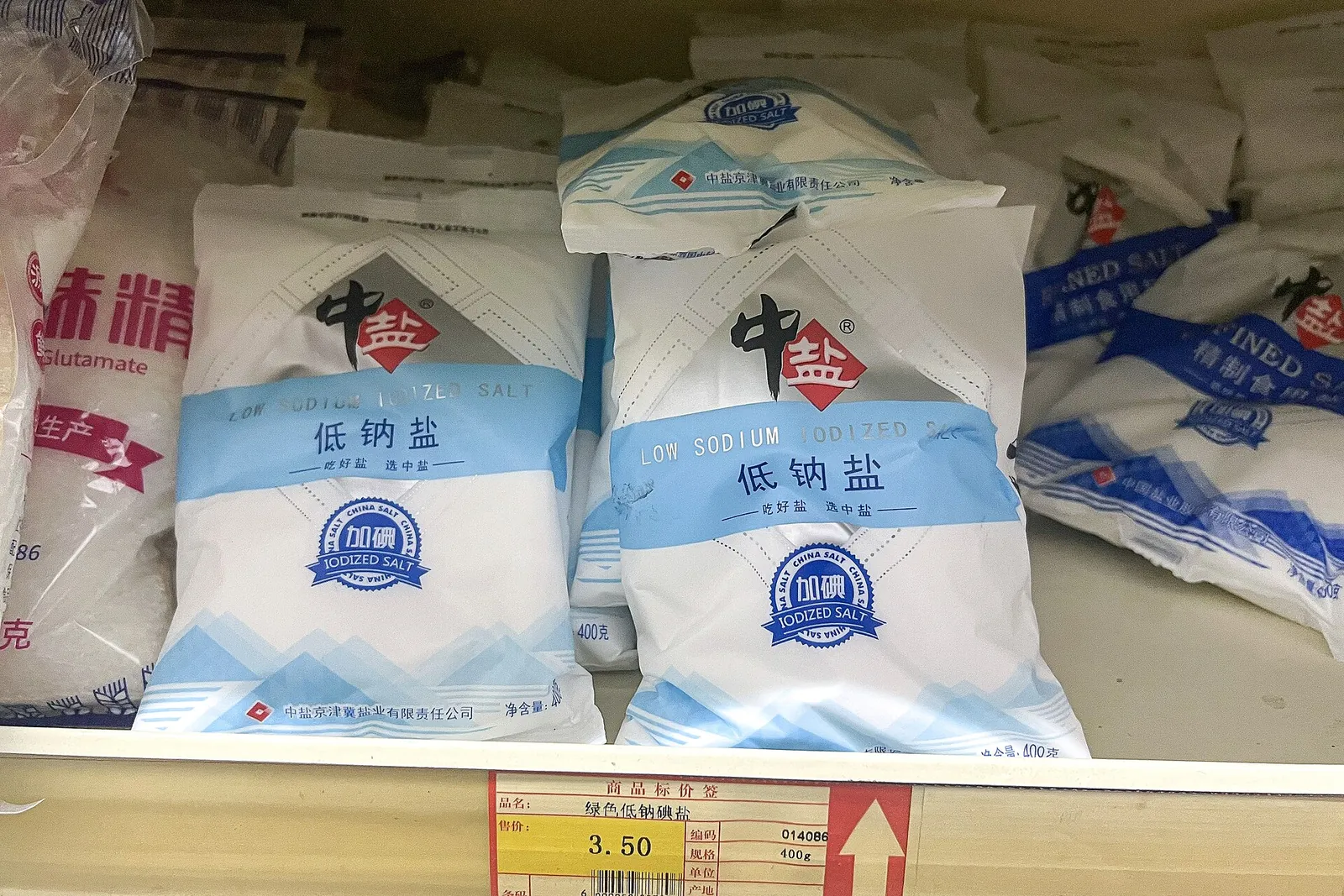
What to swap in or eat more of: switch to low-sodium salt (Item 9), a small handful of nuts every day (Item 22), swap red meat for fish and poultry (Item 23), swap refined rice and white flour for whole grains (Item 24), drink tea three or more times a week (Item 25), drink three to four cups of coffee a day (Item 26), eat 5 full servings of fruit and vegetables (Item 27), eat chili peppers four or more times a week (Item 33), drink one or two servings of milk a day (Item 34), no need to give up eggs (Item 35).
Exercise and weight: walk 7000–8000 steps a day (Item 11), play racket sports (Item 14), add up scattered bouts of vigorous activity (Item 15), do strength training every week (Item 16), don't sit for too long at a stretch (Item 17), keep your BMI at 20–25 (Item 32), count daily dog walks toward your walking (Item 44).
Sleep and night shifts: sleep about 7 hours a night (Item 13), keep naps within half an hour (Item 37), after staying up late, catch up on sleep the next day (Item 38), if you work night shifts and can move to another post, do it early (Item 39).
Oil and smoke in the kitchen: don't burn coal or firewood for cooking and heating (Item 29), don't buy loose, home-pressed peanut oil (Item 40), use vegetable oil instead of lard and butter (Item 41), turn on the range hood when stir-frying (Item 42).
Teeth, medication and other habits: brush properly and clean between your teeth (Item 10), take your medication regularly as prescribed (Item 12), get some sun when you go out in the daytime (Item 31), take baths if you can (Item 36), if you have hot flashes around menopause, get assessed for hormone therapy (Item 43).
Sources are reproduced exactly as they appear in the Chinese original, including Chinese titles of laws and quoted statutory text. Original Chinese text of this section at upstream commit bb25081, on GitHub.
Smokers live on average more than ten years less than non-smokers. Quitting before age 40 erases about 90% of the added risk of death that continuing to smoke would bring. The earlier you quit, the more you win back. If you keep smoking after a fracture, the chance that the bone fails to heal is about 2.3 times that of not smoking, so don't smoke until the bone has healed.
Cost
Costs nothing; in fact it saves money. A pack a day costs about 20–30 yuan; once you quit, that money stays with you. The hard part is getting through withdrawal, which usually lasts a few weeks to a few months.
No moneyDone in passingLots of willpowerBenefit size large
Benefit
A US study that followed a group of people (only observed, not randomized) found that people who still smoke have a life expectancy more than 10 years shorter than people who have never smoked. Quitting before age 40 can eliminate about 90% of the risk of death that continuing to smoke brings. Quitting at ages 25–34 gains about 10 more years of life, at 35–44 about 9 more years, and at 45–54 about 6 more years (the original reports these as life-years). A similar study in China: in the 2010s, urban male smokers had 1.65 times the risk of death of non-smokers (RR 1.65), and rural male smokers 1.22 times. After a full 10 years of having quit by choice, the part of the risk caused by smoking nearly disappears. The same holds after a fracture. Pooling 19 studies that only observed, not randomized: smokers had about 2.3 times the odds of nonunion (the bone failing to heal) of non-smokers (OR 2.32, 95% CI 1.76–3.06, adjusted for other factors). The odds were likewise higher for tibial (shin bone) fractures and open fractures. In a Swedish randomized trial, of the 50 people who joined a 6-week smoking-cessation program after emergency fracture surgery, 20% had at least one postoperative complication. Of the 55 who did not join, 38% did. For a surgery scheduled in advance, you can start quitting 4 to 8 weeks before the operation, with weekly counseling and nicotine replacement products. Doing this lowers postoperative complications by about 58% (RR 0.42, 95% CI 0.27–0.65, 2 trials, 210 people).
Evidence grade
A
Notes
Breathing other people's smoke kills too: in 2004 about 603,000 people worldwide died from secondhand smoke, about 1% of all deaths worldwide that year. Even if you don't smoke yourself, stay away from other people's smoke, and above all don't let children breathe it. How to quit: the specific methods are in four later items: Item 3 (quit-smoking medication), Item 4 (set a quit date), Item 5 (go to a smoking-cessation clinic), Item 6 (e-cigarettes). The nonunion figure comes from studies that only observed, not randomized; smokers may also differ from non-smokers in other ways, and these cannot all be fully adjusted away. The trial of quitting after a fracture had only 105 people, and with a different method of calculation the difference is not significant.
Sources
Jha P 等 (2013). 21st-century hazards of smoking and benefits of cessation in the United States. NEJM. https://doi.org/10.1056/NEJMsa1211128;Chen Z 等 (2015). Contrasting male and female trends in tobacco-attributed mortality in China: evidence from successive nationwide prospective cohort studies. Lancet. https://doi.org/10.1016/S0140-6736(15)00340-2;Oberg M 等 (2011). Worldwide burden of disease from exposure to second-hand smoke: a retrospective analysis of data from 192 countries. Lancet. https://doi.org/10.1016/S0140-6736(10)61388-8(二手烟那两个数字);Scolaro JA 等 (2014). Cigarette smoking increases complications following fracture: a systematic review. J Bone Joint Surg Am. https://doi.org/10.2106/JBJS.M.00081;Nåsell H 等 (2010). Effect of smoking cessation intervention on results of acute fracture surgery: a randomized controlled trial. J Bone Joint Surg Am. https://doi.org/10.2106/JBJS.I.00627;Thomsen T 等 (2014). Interventions for preoperative smoking cessation. Cochrane Database Syst Rev. https://doi.org/10.1002/14651858.CD002294.pub4(骨折和手术那几个数字)
Don't smoke at home or in the car, and don't let guests smoke in your home either
Value for cost High
In plain terms
About 600,000 people worldwide die each year from breathing other people's smoke, nearly 30% of them children. People with long-term exposure to secondhand smoke have roughly 30% higher risk of high blood pressure, heart disease and stroke. Smoke breathed in at home does more harm than smoke breathed in outside.
Cost
Costs nothing and takes no time. The hard part is speaking up and asking family members and guests not to smoke in the home.
No moneyDone in passingSome willpowerBenefit size large
Benefit
In 2004, 603,000 people worldwide died from secondhand smoke, about 1.0% of all deaths worldwide; 28% of them were children. Pooling 57 studies: people exposed to secondhand smoke had about 1.28 times the odds of high blood pressure of people not exposed (odds ratio). For heart disease it was 1.39 times, for myocardial infarction 1.50 times, and for stroke 1.36 times. The risk from secondhand smoke breathed in at home is higher than from secondhand smoke breathed in outside the home.
Evidence grade
A
Notes
Start with the home, because you spend a long time there, and pooling several studies shows that secondhand smoke breathed in at home does more harm than outside the home. Of the health loss caused by secondhand smoke, 61% falls on children. For quitting smoking yourself, see Item 1 of this section.
Sources
Öberg M, Jaakkola MS, Woodward A, Peruga A, Prüss-Ustün A (2011). Worldwide burden of disease from exposure to second-hand smoke: a retrospective analysis of data from 192 countries. Lancet:「603,000 deaths were attributable to second-hand smoke in 2004, which was about 1·0% of worldwide mortality. 47% of deaths from second-hand smoke occurred in women, 28% in children, and 26% in men」,「61% of DALYs were in children」. https://doi.org/10.1016/S0140-6736(10)61388-8;(2026). The Associations Between Secondhand Smoke Exposure and Various Cardiovascular Diseases: A Meta-Analysis. Nicotine & Tobacco Research:57 项研究,「hypertension (OR: 1.28, 95% CI: 1.15 to 1.40), heart disease (OR: 1.39, 95% CI: 1.28 to 1.50), myocardial infarction (OR: 1.50, 95% CI: 1.17 to 1.84), stroke (OR: 1.36, 95% CI: 1.18 to 1.54)」「Home exposure has a higher risk of CVD than non-home exposure」. https://doi.org/10.1093/ntr/ntaf111
When quitting smoking, don't rely on toughing it out; get medication first: it can more than double your success rate
Value for cost High
In plain terms
Relying on toughing it out, most people do not manage to quit. The share of people who quit successfully on varenicline is more than twice that on a placebo. With nicotine replacement products such as patches and gum, it is about 50% higher than with no medication. Using patches and gum together raises it by more than another 20%.
Cost
Nicotine patches and nicotine gum are over-the-counter drugs you can buy at the pharmacy counter. A course lasts 8 to 12 weeks and costs from a few hundred yuan to a little over a thousand yuan. Varenicline and bupropion are prescription drugs; you have to get them prescribed at a smoking-cessation clinic or a respiratory medicine department. This money roughly cancels out against the cigarettes you don't buy over the same period.
A little moneyDone in passingSome willpowerBenefit size large
Benefit
Pooling 41 randomized trials with 17395 people, the quit success rate in the varenicline group was 2.32 times that in the placebo group (RR 2.32, 95% CI 2.15–2.51, this is the confidence interval; high-certainty evidence). Varenicline also beat bupropion (RR 1.36, about 36% higher) and a single form of nicotine replacement (RR 1.25, about 25% higher). Nicotine replacement versus no medication: 133 trials, 64640 people, success rate about 55% higher (RR 1.55, 95% CI 1.49–1.61). A patch plus one fast-acting form (gum, lozenge) beat a single form by about 27% (RR 1.27, 95% CI 1.17–1.37, 16 trials, 12169 people, high-certainty evidence).
Evidence grade
A
Notes
The quit-smoking drugs on sale in China are just the three types above, and only nicotine replacement is over the counter. Common reactions to varenicline are nausea, frequent dreams and poor sleep; anyone with a history of psychiatric illness should tell the doctor. A course of nicotine replacement usually lasts 8 to 12 weeks; don't stop suddenly on your own, but taper the dose as the doctor tells you. Medication only deals with the discomfort of those weeks of withdrawal, not with the situations where you “want a cigarette”, so use it together with Item 4 (set a quit date) and Item 5 (go to a smoking-cessation clinic) of this section.
Sources
Livingstone-Banks J, Fanshawe TR, Thomas KH, et al. (2023). Nicotine receptor partial agonists for smoking cessation. Cochrane Database of Systematic Reviews, 5, CD006103. https://doi.org/10.1002/14651858.CD006103.pub8;Hartmann-Boyce J, Chepkin SC, Ye W, Bullen C, Lancaster T (2018). Nicotine replacement therapy versus control for smoking cessation. Cochrane Database of Systematic Reviews, 5, CD000146. https://doi.org/10.1002/14651858.CD000146.pub5;Theodoulou A, Chepkin SC, Ye W, et al. (2023). Different doses, durations and modes of delivery of nicotine replacement therapy for smoking cessation. Cochrane Database of Systematic Reviews, 6, CD013308. https://doi.org/10.1002/14651858.CD013308.pub2;上海市卫生健康委员会 (2021). 选对药物,让戒烟轻松一点:「市场上可见的戒烟药物主要有三种,即尼古丁替代疗法药物、安非他酮、伐尼克兰」,「尼古丁替代疗法药物属于非处方药(OTC),可通过药店柜台购买;而安非他酮、伐尼克兰属于处方药,须到医院戒烟门诊或呼吸内科就诊,凭医师处方经药师调配后才能得到」. https://wsjkw.sh.gov.cn/jtyx/20211119/df50681e01ba49f896d54f771d8176ae.html
Set a quit date and stop all at once on that day; don't cut down gradually first
ContestedValue for cost Standard
In plain terms
Many people plan to smoke a few fewer cigarettes each day first and slowly get down to zero. But at month six, 22% of those who set a date and stopped all at once had not smoked again, versus only 15.5% of those who cut down gradually. So set a date, and on that day stop all at once.
Cost
Costs nothing. You just pick a day on the calendar and tell your family and coworkers in advance.
No moneyDone in passingLots of willpowerBenefit size medium
Benefit
In the UK, 697 smokers were randomly split into two groups. One group stopped all at once on the quit day; the other first cut their smoking by 75% over the two weeks before the quit day. Both groups had behavioral support from nurses and used nicotine replacement both before and after the quit day. At week 4, 49.0% of the abrupt group (95% CI 43.8–54.2, this is the confidence interval) had not relapsed, versus 39.2% (34.0–44.4) of the gradual group, relative risk 0.80 (0.66–0.93). At month 6, the abrupt group was at 22.0% (18.0–26.6) and the gradual group at 15.5% (12.0–19.7), relative risk 0.71 (0.46–0.91). People who already preferred cutting down gradually also had a lower success rate at week 4 than people who preferred stopping all at once (38.3% vs 52.2%).
Evidence grade
A
Notes
Contested. Cochrane previously had a review that specifically compared these two approaches and concluded the two were about the same (RR 0.94, 95% CI 0.79–1.13, 10 trials, 3760 people), but that review was withdrawn in 2019 and is no longer updated. So the best evidence right now is the randomized trial above, and its direction supports stopping all at once. Also, in that trial both groups started nicotine replacement before the quit day, and this practice has evidence of its own: starting early gives a success rate about 25% higher than starting only on the quit day (RR 1.25, 95% CI 1.08–1.44, 9 trials, 4395 people, moderate-certainty evidence). So a sensible order is: set the date first, start wearing the patch two weeks ahead, and on the day stop all at once.
Sources
Lindson-Hawley N, Banting M, West R, Michie S, Shinkins B, Aveyard P (2016). Gradual Versus Abrupt Smoking Cessation: A Randomized, Controlled Noninferiority Trial. Annals of Internal Medicine, 164(9), 585–592. https://doi.org/10.7326/M14-2805;Theodoulou A, Chepkin SC, Ye W, et al. (2023). Different doses, durations and modes of delivery of nicotine replacement therapy for smoking cessation. Cochrane Database of Systematic Reviews, 6, CD013308(提前用尼古丁替代品那一段). https://doi.org/10.1002/14651858.CD013308.pub2
Go to a smoking-cessation clinic, or call 12320 to ask whether there is a smoking-cessation service where you live
Value for cost Standard
In plain terms
Medication and “someone checking in on you regularly” are two different things, and together they work best. People who take medication while a dedicated person follows up with them succeed at nearly twice the rate of people who get only a brief piece of advice. Phone support counts too: a quitline that proactively calls you back can raise the success rate by a further 20% to 30%.
Cost
One registration fee runs from a few yuan to a few dozen yuan. Behavioral support is usually 4 to 8 face-to-face sessions of half an hour to an hour each, mostly under 5 hours in total. Calling the hotline costs nothing.
A little moneyA few hoursSome willpowerBenefit size large
Benefit
Pooling 52 trials with 19488 people, the quit success rate with medication plus behavioral support was 1.83 times that with usual care or brief advice (RR 1.83, 95% CI 1.68–1.98, this is the confidence interval; high-quality evidence). In the 43 trials that recruited in health care settings it was 1.97 times (1.79–2.18). Phone counseling counted on its own: among people who had called a quitline themselves, those who received multiple proactive callbacks did about 38% better than those who got only materials or a single conversation (RR 1.38, 95% CI 1.19–1.61, 14 trials, 32484 people); among people who had not called a quitline themselves and were offered phone counseling by the researchers, it was about 25% better (RR 1.25, 95% CI 1.15–1.35, 65 trials, 41233 people). Both are moderate-certainty evidence.
Evidence grade
A
Notes
How to find one in China: search WeChat for the “China Smoking Cessation Platform” (中国戒烟平台) mini program, which lists smoking-cessation hotlines and smoking-cessation clinics in each area; or call 12320 and ask whether there is a smoking-cessation clinic where you live. Most of the trials above were done abroad, and the intensity of service at smoking-cessation clinics varies widely from place to place, so the numbers can only be taken as a direction. For the medication to pair with it, see Item 3 (quit-smoking medication) of this section.
Sources
Stead LF, Koilpillai P, Fanshawe TR, Lancaster T (2016). Combined pharmacotherapy and behavioural interventions for smoking cessation. Cochrane Database of Systematic Reviews, 3, CD008286. https://doi.org/10.1002/14651858.CD008286.pub3;Matkin W, Ordóñez-Mena JM, Hartmann-Boyce J (2019). Telephone counselling for smoking cessation. Cochrane Database of Systematic Reviews, 5, CD002850. https://doi.org/10.1002/14651858.CD002850.pub4;中国疾病预防控制中心 (2021). 「中国戒烟平台」微信小程序正式上线:「在健康中国行动控烟行动工作组指导下中国疾病预防控制中心和世界卫生组织驻华代表处联合制作了中国权威戒烟资源库『中国戒烟平台』微信小程序。小程序内容主要包括:戒烟热线、戒烟门诊详细信息,以及线上戒烟服务资源等」;同一站点页脚标注「健康咨询电话:12320」. https://www.chinacdc.cn/jkyj/yckz/gzdt/202203/t20220310_296389.html
Consider e-cigarettes only if you already can't quit; people who don't smoke should not touch them
ContestedValue for cost Standard
In plain terms
Switching from cigarettes to e-cigarettes that contain nicotine, about 60% more people manage to quit than with nicotine patches, and this conclusion is very reliable. But they are not harmless, and long-term safety data do not exist yet. For people who did not smoke to begin with, using them has no benefit at all.
Cost
Device plus pods costs a few dozen to a few hundred yuan a month. In China you can buy only tobacco flavors, and only at shops that hold a tobacco monopoly retail license.
A little moneyDone in passingSome willpowerBenefit size medium
Benefit
A continuously updated review included 80 randomized trials and 29861 people. Compared with nicotine replacement therapy, e-cigarettes containing nicotine gave a quit success rate about 61% higher (RR 1.61, 95% CI 1.23–2.12, this is the confidence interval; high-certainty evidence, 11 trials, 4114 people). In absolute terms, that is about 4 more people out of every 100 quitting (1 to 7 more). The proportion with serious adverse events was roughly the same in the two groups (risk difference 0.01, 95% CI −0.01 to 0.02, moderate-certainty evidence). Compared with behavioral support only or no support, the success rate was about 75% higher (RR 1.75, 95% CI 1.39–2.20, low-certainty evidence).
Evidence grade
A
Notes
Contested. The World Health Organization does not recommend e-cigarettes as a way to quit smoking. Its reasons are that long-term safety data are insufficient, and that they also lead young people to start using nicotine. The UK, by contrast, has made them part of its smoking-cessation services. China has not banned the sale of e-cigarettes outright, but regulates them very strictly; the rules are in the Measures for the Administration of E-cigarettes (电子烟管理办法). Only tobacco flavors may be sold; fruit flavors and devices you can refill with e-liquid yourself may not be sold. You can buy them only at physical stores that hold a tobacco monopoly retail license. Selling them on any website, online shop or social media app other than the national unified e-cigarette trading management platform is illegal. Selling them to minors is also banned. So the fruit-flavored e-cigarettes you can still buy come through illegal channels and are outside regulation. That is exactly how “high-inducing e-cigarettes” (上头电子烟) laced with synthetic cannabinoids get out; see Section 22, Item 4 (don't accept e-cigarette pods others hand you). The products tested in the review were all regulated products containing nicotine; e-liquid of unknown origin is not covered. In terms of order, try Item 3 (quit-smoking medication) of this section first; the evidence there is harder, and it is also cheaper.
Sources
Lindson N, Livingstone-Banks J, Butler AR, et al. (2026). Electronic cigarettes for smoking cessation. Cochrane Database of Systematic Reviews, 8, CD010216. https://doi.org/10.1002/14651858.CD010216.pub11;国家烟草专卖局 (2022). 电子烟管理办法(国家烟草专卖局公告 2022 年第 1 号,2022 年 5 月 1 日施行)第十八条:从事电子烟零售业务,要向烟草专卖行政主管部门申领烟草专卖零售许可证。第二十二条:「禁止向未成年人出售电子烟产品。」第二十三条第二款:「任何个人、法人或者其他组织不得通过本办法规定的电子烟交易管理平台以外的信息网络销售电子烟产品、雾化物和电子烟用烟碱等。」第二十六条:「禁止销售除烟草口味外的调味电子烟和可自行添加雾化物的电子烟。」. http://www.gov.cn/gongbao/content/2022/content_5697988.htm
Don't drink sugary drinks, and switching to sugar-free versions doesn't count as solving it
ContestedValue for cost High
In plain terms
People who drink two or more bottles of sweet drinks a day are about 20% more likely to die over the same period than people who drink almost none. One to two bottles a day is also more than 10% higher. Switching to sugar-free versions showed no benefit either: people who drink two or more glasses of artificially sweetened drinks a day are actually about a quarter higher.
Cost
Costs nothing and takes no time. Switching to plain water or unsweetened tea even saves money. The hard part is breaking the habit of drinking sweet drinks, sugar-free ones included.
No moneyDone in passingSome willpowerBenefit size large
Benefit
The US has two large studies that followed groups of people. These two only observed, not randomized: about 118,000 people and 36,000 deaths. People who drank 2 or more servings a day had a risk of death about 21% higher than people who drank under 1 serving a month (HR 1.21). Those who drank 1–2 servings a day were about 14% higher (HR 1.14). The European EPIC cohort study only observed, not randomized: 450,000 people in 10 countries. Comparing people who drank 2 or more glasses a day with those who drank under 1 glass a month: for sugar-sweetened soft drinks, about 8% higher (HR 1.08, 95% CI 1.01–1.16). For artificially sweetened drinks (sugar-free versions), about 26% higher (HR 1.26, 1.16–1.35). For all soft drinks combined, about 17% higher (HR 1.17, 1.11–1.22).
Evidence grade
A
Notes
Contested: the dispute is over sugar-free drinks. The association for artificially sweetened drinks is actually stronger than for sugary ones, and this is very likely cause and effect running backwards: people who are already overweight or already have diabetes are the ones who switch to sugar-free versions. So don't take this to mean sweeteners are more toxic. But it does at least show that the claim “switch to sugar-free and you're fine” has no evidence behind it. Switching to plain water or unsweetened tea is the safest choice. Also, these studies only followed and recorded people, without a randomized trial; people who drink a lot of sweet drinks have worse lifestyles to begin with, so the numbers may be too large.
Sources
Malik VS 等 (2019). Long-Term Consumption of Sugar-Sweetened and Artificially Sweetened Beverages and Risk of Mortality in US Adults. Circulation. https://doi.org/10.1161/CIRCULATIONAHA.118.037401;Mullee A, Romaguera D, Pearson-Stuttard J, et al. (2019). Association Between Soft Drink Consumption and Mortality in 10 European Countries. JAMA Internal Medicine, 179(11), 1479-1490. https://doi.org/10.1001/jamainternmed.2019.2478
People who chew betel nut are about 20% more likely to die over the same period than people who don't. Their risk of diabetes and metabolic syndrome is nearly 50% higher. The risk of oral cancer and esophageal cancer comes on top of that.
Cost
Costs nothing and takes no time, and it saves the money you would spend on betel nut. The hard part is breaking the chewing habit.
No moneyDone in passingSome willpowerBenefit size large
Benefit
Pooling 17 Asian studies with 388,000 people. People who chewed betel nut had a risk of death about 21% higher than people who didn't (relative risk 1.21, P=0.02). The death figure was calculated on 179,600 of these people. The risk of developing diabetes was about 47% higher (1.47). The risk of developing metabolic syndrome was about 51% higher (1.51). Betel nut itself is also a known risk factor for oral cancer and esophageal cancer.
Evidence grade
A
Notes
The more years you chew and the more you chew each day, the higher the risk of oral cancer. After you quit, the risk goes down over time. Betel quid that contains tobacco is more dangerous.
Sources
Yamada T, Hara K, Kadowaki T (2013). Chewing betel quid and the risk of metabolic disease, cardiovascular disease, and all-cause mortality: a meta-analysis. PLoS One, 8(8), e70679. https://doi.org/10.1371/journal.pone.0070679
Replace the table salt at home with low-sodium salt (potassium salt)
ContestedValue for cost Standard
In plain terms
For people who have had a stroke, or who are aged 60 or over with high blood pressure, replacing the salt at home with low-sodium salt lowers the chance of dying within five years by about 12%, and of stroke by about 14%.
Cost
A bag costs a few yuan more than regular salt. You switch when you shop anyway, so it takes no extra time. The taste is almost unchanged.
A little moneyDone in passingNo willpowerBenefit size medium
Benefit
A trial that randomly split people into two groups, done in rural China, with 20995 people, all of them either people who had had a stroke or people aged 60 or over with high blood pressure, followed for 4.74 years. Result: the group using low-sodium salt had a risk of death about 12% lower than the group using regular salt (RR 0.88). Stroke was about 14% lower (RR 0.86). Major cardiovascular events were about 13% lower (RR 0.87). For events of excessively high blood potassium, no statistical difference was seen between the two groups.
Evidence grade
A
Notes
Contested. The PURE study only followed and recorded people over the long term, without randomization. It reports: people who excreted under 3 g of sodium a day had about 27% higher risk of death plus cardiovascular events. People who excreted 7 g or more of sodium a day were about 15% higher. By its results, eating too little and eating too much are both bad, and the middle is best. But in the rural China randomized trial cited in this item, low-sodium salt only replaces part of the sodium and would not push sodium that low. Note also that the trial participants were high-risk older people. The benefit healthy young people get from switching salt is much smaller. People with impaired kidney function, or who are taking potassium-sparing drugs, should ask a doctor before switching salt.
Brush your teeth properly, clean between your teeth once a day, and replace missing teeth promptly
ContestedValue for cost Standard
In plain terms
People who use floss or interdental brushes every day are about 10% less likely to die over the same period. Older people who have lost all their teeth are about 90% more likely to die. Those with fewer than 20 teeth left are about twice as likely. Electric toothbrushes remove 10% to 20% more plaque than manual brushing, and gum inflammation is somewhat milder too, but how much this difference matters cannot yet be said.
Cost
Floss or interdental brushes cost a few dozen yuan a year, and a professional cleaning costs one or two hundred yuan each time. It takes two or three extra minutes a day. The hard part is making cleaning between your teeth something you do every day. If a manual toothbrush doesn't get your teeth clean, you can switch to an electric toothbrush, which costs a few hundred yuan, and its brush head needs replacing regularly.
A little moneyDone in passingSome willpowerBenefit size medium
Benefit
A Japanese study of 9676 people, followed for 6 years. People who used interdental cleaning tools had a risk of death about 11% lower (hazard ratio 0.89). People who used tongue-cleaning tools were about 23% lower (0.77). Separately, multiple studies were pooled, with older people living in the community as subjects. People with no teeth at all had about 1.87 times the odds of death (odds ratio, 95% CI 1.35–2.59, this is the confidence interval). Those with fewer than 20 teeth had about 2.04 times (1.67–2.49). Electric versus manual: pooling 51 randomized trials, electric brushes left about 11% less plaque after 1 to 3 months of use, and about 21% less after over 3 months. Gingivitis was about 6% and 11% milder, respectively. The review authors say it is not yet clear how important these differences are for health.
Evidence grade
B
Notes
Contested. These studies only followed and recorded people. People with bad teeth often also have poorer overall health and finances. Whether the teeth drag the body down, or poor health drags the teeth down, cannot be told. But this costs extremely little, and periodontitis and missing teeth themselves affect eating. Among electric toothbrushes, round heads that rotate back and forth have the most trials, and their effect compared with manual brushing is the most certain. As for which type of electric toothbrush beats another, the independent review reached no conclusion because there were too few trials. For how much a dental implant costs and which dental services medical insurance (医保) covers, see Section 24, Item 12 (ask for the all-inclusive price before getting an implant).
Sources
Wang K, Matsuyama Y, Kiuchi S, et al. (2026). Routine oral health practices and all-cause mortality. Journal of Dentistry. https://doi.org/10.1016/j.jdent.2026.106789;Ko MJ, Seo S, So JS, et al. (2026). Deteriorated oral health and function as risk factors for physical disability and mortality in community-dwelling older adults: a systematic review and meta-analysis. European Geriatric Medicine. https://doi.org/10.1007/s41999-025-01319-4;Yaacob M, Worthington HV, Deacon SA, et al. (2014). Powered versus manual toothbrushing for oral health. Cochrane Database of Systematic Reviews. https://doi.org/10.1002/14651858.CD002281.pub3;Deacon SA, Glenny AM, Deery C, et al. (2010). Different powered toothbrushes for plaque control and gingival health. Cochrane Database of Systematic Reviews. https://doi.org/10.1002/14651858.CD004971.pub2
Walk 7000–8000 steps a day, or build up 150–300 minutes of brisk walking a week
Value for cost Standard
In plain terms
People who walk about 7800 steps a day are about 45% less likely to die over the same period than people who walk only 3500 steps. Counted in time, it is the same: 150–300 minutes of brisk walking a week is about 30% lower than no exercise. Beyond a certain amount it stops going down; for people over 60, reaching 6000–8000 steps is enough. Meeting either of the two ways of counting is enough.
Cost
Costs nothing. Counted in steps, it means walking 60–90 minutes a day, which can be split up and fitted into your commute and grocery shopping. Counted in exercise time, it is 20–45 minutes a day. The hard part is keeping it up over the long term.
No moneyTime every daySome willpowerBenefit size large
Benefit
Pooling 15 studies that followed groups of people, only observed, not randomized. These 15 studies covered 47471 people and 3013 deaths. People were split into four tiers by daily steps; the median of the lowest tier was 3553 steps/day. The medians of the other three tiers were 5801, 7842 and 10901 steps/day. These three tiers had a risk of death about 40%, 45% and 53% lower than the lowest tier (HR 0.60, 0.55, 0.47). For people aged 60 or over, the benefit of walking more leveled off after 6000–8000 steps. For people under 60, it leveled off after 8000–10000 steps. Another analysis pooling multiple studies: the effect starts from about 3867 steps/day. After that, each additional 1000 steps/day lowers the risk of death by about 15%. Counted in exercise time: pooling multiple cohort studies (only observed, not randomized), people whose activity reached 1–2 times the guideline minimum had a risk of death about 31% lower than people who did no exercise (HR 0.69). This amount is 7.5–15 MET·h/week, roughly equal to 150–300 minutes/week of brisk walking. People who did not reach the minimum were also about 20% lower (HR 0.80). People who reached 3–5 times the minimum were about 39% lower (HR 0.61), which is the peak of the reduction. Adding more beyond that does not lower it further, but does no harm either (10 times or more gives HR 0.69). Another pooled study measured with accelerometers: the quarter of people with the most moderate-to-vigorous activity had a risk of death about 48% lower than the quarter with the least (HR 0.52). An accelerometer is a device worn on the body that measures actual activity.
Evidence grade
A
Notes
Steps and exercise time describe the same thing, just counted a different way; meeting either one is enough. Going from 4000 steps up to 7000 steps is the best-value stretch; there is no need to push for ten thousand steps. Note that these studies only followed and recorded people: mixed in with the people who walked least and moved least are people who were already ill and could not walk. They moved less because they were close to the end; they did not die early because they moved less. So the calculated gaps are often too large. The few studies that measured activity with devices had short follow-up and older participants, so the real benefit is not as large as “risk down to 0.52 times”. But the trend that the more you move the better is clear.
Sources
Paluch AE 等 (2022). Daily steps and all-cause mortality: a meta-analysis of 15 international cohorts. Lancet Public Health. https://doi.org/10.1016/S2468-2667(21)00302-9;Banach M 等 (2023). The association between daily step count and all-cause and cardiovascular mortality: a meta-analysis. European Journal of Preventive Cardiology. https://doi.org/10.1093/eurjpc/zwad229;Arem H 等 (2015). Leisure time physical activity and mortality: a detailed pooled analysis of the dose-response relationship. JAMA Internal Medicine. https://doi.org/10.1001/jamainternmed.2015.0533;Ekelund U 等 (2019). Dose-response associations between accelerometry measured physical activity and sedentary time and all cause mortality: systematic review and harmonised meta-analysis. BMJ. https://doi.org/10.1136/bmj.l4570
If you have high blood pressure or high blood lipids, take your medication regularly as prescribed, and don't stop on your own
Value for cost High
In plain terms
Every 10 mmHg drop in blood pressure lowers the chance of dying by about 13%, and of stroke by about 27%. A statin that lowers LDL cholesterol by 1 unit lowers the chance of dying by about 10%. People who take their medication on time have a 30% to 45% lower chance of dying than people who often miss doses.
Cost
Centrally procured (集采) blood pressure drugs and statins cost from a few yuan to a few dozen yuan a month. You take them once a day, which takes little time. The hard part is keeping on taking them, and not stopping once you feel fine.
A little moneyDone in passingSome willpowerBenefit size large
Benefit
Pooling multiple randomized trials: every 10 mmHg drop in systolic blood pressure lowers the risk of death by about 13% (RR 0.87). Systolic blood pressure is the upper number of a blood pressure reading. Major cardiovascular events were about 20% lower (RR 0.80). Stroke was about 27% lower (RR 0.73). Heart failure was about 28% lower (RR 0.72). Taking a statin brings low-density lipoprotein cholesterol (LDL) down. Each 1.0 mmol/L drop in LDL lowers the risk of death by about 10% (RR 0.90). The same drop lowers major vascular events by about 22% (RR 0.78). Separately, multiple cohort studies were pooled, only observed, not randomized. People who took ≥80% of their medication as prescribed had a lower risk of death than people who often missed doses. For statins, about 45% lower (RR 0.55). For blood pressure drugs, about 29% lower (RR 0.71).
Evidence grade
A
Notes
Follow this only if a doctor has judged that you should take medication; healthy people do not need to take it. The “sticking with medication” numbers come from studies that only followed and recorded people; people who can stick with their medication are also more self-disciplined to begin with, so these numbers overstate the benefit. The numbers from the two sets of randomized trials before them are more reliable. This section does not have a separate item on controlling blood sugar: the evidence that pushing blood sugar lower benefits all-cause mortality is not as consistent as it is for blood pressure and blood lipids.
Sources
Ettehad D 等 (2016). Blood pressure lowering for prevention of cardiovascular disease and death: a systematic review and meta-analysis. Lancet. https://doi.org/10.1016/S0140-6736(15)01225-8;Cholesterol Treatment Trialists' (CTT) Collaboration (2010). Efficacy and safety of more intensive lowering of LDL cholesterol: a meta-analysis of data from 170 000 participants in 26 randomised trials. Lancet. https://doi.org/10.1016/S0140-6736(10)61350-5;Chowdhury R 等 (2013). Adherence to cardiovascular therapy: a meta-analysis of prevalence and clinical consequences. European Heart Journal. https://doi.org/10.1093/eurheartj/eht295
People who sleep less than 7 hours over the long term are about 10% more likely to die over the same period. The more irregular the schedule, the higher the risk. People with the most regular sleep are 20% to nearly 50% lower than people with the least regular sleep. In other words, whether your schedule is regular says more about your risk of death than how long you sleep.
Cost
Costs nothing. You have to set aside the time to sleep; for most people this means trading time spent scrolling on the phone for sleep. The hard part is fixing your bedtime and your wake-up time.
No moneyTime every daySome willpowerBenefit size medium
Benefit
Pooling 16 cohort studies, only observed, not randomized, with 1.38 million people and 113,000 deaths. Short sleepers had a risk of death about 12% higher (RR 1.12). Long sleepers were about 30% higher (RR 1.30). Another pooled analysis split sleep duration into bands: the 7-hour band had the lowest risk. Below 7 hours, each 1 hour less was about 6% higher (RR 1.06). Above 7 hours, each 1 hour more was about 13% higher (RR 1.13). The UK Biobank has wrist-worn device records for about 61,000 people, only observed, not randomized. People were split into five tiers by how regular their sleep schedule was. The four more regular tiers had a risk of death 20%–48% lower than the least regular tier. Whether a sleep schedule is regular predicts death better than how long people sleep. Another UK Biobank study measured the sleep timing of 51,562 people with wrist-worn devices; during the study, 3,853 of them developed cardiovascular disease. Social jet lag means how far apart the midpoint of sleep is on workdays and on weekends. People with 2 hours or more of social jet lag had about 30% higher risk of cardiovascular disease (HR 1.30, 95% CI 1.11–1.54). This association was also present in people with normal sleep duration.
Evidence grade
A
Notes
What needs changing is two things: sleeping too little and an irregular schedule; there is no need to go out of your way to cut down your sleep time. The higher risk in long sleepers is mostly cause and effect running backwards: depression, chronic illness and sleep apnea make people sleep more. Also, sleep regularity is currently supported by two cohort studies, both only observed, not randomized; on its own it counts as grade B evidence. For how to catch up after staying up late, see Item 38 (catch up on sleep the very next night after staying up late) of this section.
Sources
Cappuccio FP 等 (2010). Sleep duration and all-cause mortality: a systematic review and meta-analysis of prospective studies. Sleep. https://doi.org/10.1093/sleep/33.5.585;Yin J 等 (2017). Relationship of Sleep Duration With All-Cause Mortality and Cardiovascular Events: A Systematic Review and Dose-Response Meta-Analysis of Prospective Cohort Studies. JAHA. https://doi.org/10.1161/JAHA.117.005947;Windred DP 等 (2024). Sleep regularity is a stronger predictor of mortality risk than sleep duration: A prospective cohort study. Sleep. https://doi.org/10.1093/sleep/zsad253;Kumar N, Krishnamurthy S (2026). Social jet lag is associated with incident cardiovascular disease independent of sleep duration and cardiac genetic risk. Journal of Internal Medicine. https://doi.org/10.1111/joim.70133
Play racket sports such as tennis, badminton and table tennis regularly
ContestedValue for cost Standard
In plain terms
People who regularly play tennis, badminton or table tennis are about half as likely to die over the same period as people who don't, and their cardiovascular death is about 56% lower. People who swim are about 28% lower. Running and soccer showed no difference in this data.
Cost
Court fees are a few dozen yuan each time. About 2 hours a week. The hard part is getting enough people and a court together, and going every week.
A little moneyA few hoursSome willpowerBenefit size large
Benefit
A UK cohort study of 80,300 people compared people who did a given sport with people who did not do that sport. People who played racket sports had a risk of death about 47% lower (hazard ratio 0.53, 95% CI 0.40–0.69, confidence interval). Cardiovascular death was about 56% lower (0.44, 0.24–0.83). Racket sports means tennis, badminton and table tennis. For people who swam, these two numbers were 0.72 and 0.59; for aerobics, 0.73 and 0.64; for cycling, 0.85. Running and soccer showed no statistical difference.
Evidence grade
A
Notes
Contested. These studies only followed and recorded people. People who play ball sports are healthier to begin with, and more social. The fact that the running group showed no difference also suggests that what is at work may be “what kind of person picks what kind of sport”. Don't conclude from this item that running is useless; this section has other items based on total amount of exercise.
Sources
Oja P, Kelly P, Pedisic Z, et al. (2017). Associations of specific types of sports and exercise with all-cause and cardiovascular-disease mortality: a cohort study of 80 306 British adults. British Journal of Sports Medicine, 51(10), 812-817. https://doi.org/10.1136/bjsports-2016-096822
Build up scattered bouts of vigorous activity, such as climbing stairs or walking fast to get somewhere, to four or five minutes a day
ContestedValue for cost High
In plain terms
For people who normally do no exercise at all, just three bouts a day of one or two minutes of vigorous activity make them about 40% less likely to die over the same period than people with none at all, and their risk of cardiovascular death is lower by nearly half. Vigorous activity means things like climbing stairs or walking fast to get somewhere.
Cost
Costs nothing, and you don't have to squeeze out extra time for exercise. The hard part is remembering to take the stairs and walk faster, instead of taking the easy way.
No moneyDone in passingSome willpowerBenefit size large
Benefit
A UK Biobank study, whose subjects were 25,200 people who did not normally exercise deliberately. They were followed for an average of 6.9 years, and 852 of them died. Some of them had 3 bouts a day of scattered vigorous activity, each lasting 1–2 minutes. Compared with people who had none at all, their risk of death and their risk of cancer death were 38%–40% lower. Their risk of cardiovascular death was 48%–49% lower. People whose activity of this kind added up to 4.4 minutes a day had a risk of death and a risk of cancer death 26%–30% lower. Their risk of cardiovascular death was 32%–34% lower.
Evidence grade
A
Notes
Contested. This study measured activity with wearable devices, which is more reliable than asking people to recall it on a questionnaire. But it still only followed and recorded people, with no randomized trial, and it followed them for only 6.9 years. Its subjects were people who did no exercise at all; this item does not apply to people who already exercise regularly.
Sources
Stamatakis E, Ahmadi MN, Gill JMR, et al. (2022). Association of wearable device-measured vigorous intermittent lifestyle physical activity with mortality. Nature Medicine, 28, 2521-2529. https://doi.org/10.1038/s41591-022-02100-x
People who do 30–60 minutes of strength training a week are 10% to 20% less likely to die over the same period than people who don't. Training more does not make it better. Doing strength and aerobic exercise together works best.
Cost
Bodyweight squats and push-ups cost nothing. Train 1–2 times a week, 20–30 minutes each time. The hard part is fitting it into your weekly schedule.
No moneyA few hoursSome willpowerBenefit size medium
Benefit
Pooling multiple cohort studies (only observed, not randomized): people who did strength training had a risk of death 10%–17% lower than people who did not. More training is not always better; the reduction is largest, about 10%–20%, at about 30–60 minutes a week, and training more brings no extra benefit. People who did both strength and aerobic exercise had a lower risk of death than people who did neither.
Evidence grade
A
Notes
These studies only followed and recorded people, and the amount of exercise was reported by the participants themselves. The evidence for the part about “training too much actually makes things worse” is very weak, so there is no need to limit how much you train because of it. Strength training also helps older people prevent falls and keep their muscle; those benefits are covered in Section 1.
Sources
Momma H 等 (2022). Muscle-strengthening activities are associated with lower risk and mortality in major non-communicable diseases: a systematic review and meta-analysis of cohort studies. British Journal of Sports Medicine. https://doi.org/10.1136/bjsports-2021-105061
Don't sit for too long at a stretch; get up and move every so often
Value for cost High
In plain terms
People who sit the most are 2.6 times as likely to die over the same period as people who sit the least. Sitting for a long time in one go adds a separate risk on top of that. But as long as you get 60–75 minutes of moderate-intensity activity a day, the extra risk from sitting a lot is basically cancelled out.
Cost
Costs nothing, and getting up for a moment takes hardly any time. The hard part is that once you sit down you lose track of time, so you need to set a reminder.
No moneyDone in passingSome willpowerBenefit size large
Benefit
A US cohort study, only observed, not randomized, measured with accelerometers. People were split into four groups by total daily sitting time. The group that sat the most had 2.63 times the risk of death of the group that sat the least (HR 2.63). People were split again into four groups by how long they sat at a stretch: the group with the longest unbroken sitting had 1.96 times the risk of the group with the shortest (HR 1.96). So total sitting and how long you sit at a stretch are each associated with risk on their own. Another pooled analysis combined studies of more than a million people, only observed, not randomized. People who sat 8 hours or more a day and did almost no exercise had 1.59 times the risk of death of another group (HR 1.59). That other group sat under 4 hours a day and was the most active. About 60–75 minutes of moderate-intensity activity a day can cancel out the extra risk from sitting a lot. Even when the most active group sat 8 hours or more a day, the HR was only 1.04, with no statistical difference seen.
Evidence grade
A
Notes
The reliable conclusion is: how much you move matters more than how long you sit, and when you get enough exercise the risk from sitting a lot basically disappears. Note that these studies only followed and recorded people; among the people who sit the most are many who were already ill, and the “risk up to 2.63 times” clearly includes “got ill first, then sat more”. Also, in the same pooled analysis, the risk of watching TV 3 hours or more a day was present at every level of exercise; the most active group only pushed that starting point out to 5 hours.
Sources
Diaz KM 等 (2017). Patterns of Sedentary Behavior and Mortality in U.S. Middle-Aged and Older Adults: A National Cohort Study. Annals of Internal Medicine. https://doi.org/10.7326/M17-0212;Ekelund U 等 (2016). Does physical activity attenuate, or even eliminate, the detrimental association of sitting time with mortality? A harmonised meta-analysis of data from more than 1 million men and women. Lancet. https://doi.org/10.1016/S0140-6736(16)30370-1
Eat less processed meat (ham, bacon, sausage, luncheon meat)
ContestedValue for cost High
In plain terms
People who eat the most ham, bacon and sausage are about 20% more likely to die over the same period than people who eat the least. Each extra daily serving of processed meat also makes it 20% more likely.
Cost
Costs nothing, even saves money, and takes no time. The hard part is eating less of something you love.
No moneyDone in passingSome willpowerBenefit size large
Benefit
Pooling multiple cohort studies (only observed, not randomized): the group that ate the most processed meat had a risk of death about 23% higher than the group that ate the least (RR 1.23). Red meat in total was about 29% higher (RR 1.29). Unprocessed red meat was about 10% higher (RR 1.10), but this one showed no statistical difference. Another pooled analysis calculated by the amount eaten per day. Eating 1 more serving of processed meat a day raised the risk of death by about 23% (RR 1.23). Eating 1 more serving of red meat a day raised it by about 10% (RR 1.10).
Evidence grade
A
Notes
Contested. The NutriRECS guideline used a widely used method for scoring evidence (GRADE) and rated these studies as “not very trustworthy”. It gave only a single, very weak recommendation: keep eating the way you do now. The two sides disagree about whether the evidence is hard enough, not about the direction. No study says processed meat is beneficial. Unprocessed red meat has a small effect, and it shows no statistical difference either. What you need to keep in check is processed meat.
Sources
Larsson SC, Orsini N (2014). Red meat and processed meat consumption and all-cause mortality: a meta-analysis. American Journal of Epidemiology. https://doi.org/10.1093/aje/kwt261;Schwingshackl L 等 (2017). Food groups and risk of all-cause mortality: a systematic review and meta-analysis of prospective studies. American Journal of Clinical Nutrition. https://doi.org/10.3945/ajcn.117.153148;Johnston BC 等 (2019). Unprocessed Red Meat and Processed Meat Consumption: Dietary Guideline Recommendations From the NutriRECS Consortium. Annals of Internal Medicine. https://doi.org/10.7326/M19-1621(争议方 NutriRECS 指南)
Once you drink more than 100 g of pure alcohol a week, the more you drink, the earlier you die. 100 g of pure alcohol is about 2.5 L of beer. At age 40, people who drink 100–200 g a week live about half a year less; those who drink 200–350 g live one or two years less; those who drink over 350 g live four or five years less. Counting overall health, the most worthwhile amount is none.
Cost
Costs nothing, saves money, and takes no time. The hard part is a little awkwardness when people press drinks on you at social occasions.
No moneyDone in passingSome willpowerBenefit size large
Benefit
Pooling 83 prospective studies, only observed, not randomized, of 600,000 current drinkers. The lowest point of the risk of death was at no more than 100 g of pure alcohol a week. This amount is about 2.5 L of 5% beer, or 300 mL of 40% alcohol baijiu. At age 40, people who drank 100–200 g a week had a life expectancy about 6 months shorter. Those who drank 200–350 g a week, 1–2 years shorter. Those who drank over 350 g, 4–5 years shorter. The original reports these three figures as life-years. The Global Burden of Disease study GBD 2016, combining all kinds of health loss, found that the lowest-risk amount of drinking is 0 drinks/week. Another pooled analysis corrected for biases in study design. People who drank 1.3–24 g a day had a risk of death about 7% lower than people who had never drunk in their lives (RR 0.93). But this one showed no statistical difference. Those who drank 45–64 g a day were about 19% higher (RR 1.19). Those who drank 65 g or more a day were about 35% higher (RR 1.35).
Evidence grade
A
Notes
Contested. The side that holds “drinking a little is good for you” rests on a pooled analysis of 34 long-term cohort studies. It reports: people who drank small amounts had all-cause mortality at most 17%–18% lower. The amount it gives is no more than 4 drinks a day for men and no more than 2 for women. Within this amount, people who drank more actually had lower mortality. The other side argues that the “non-drinker” group has people mixed in who quit because of illness and people who were in poor health to begin with. One pooled analysis specifically removed these confounders, and once that was done the protective effect disappeared. The Global Burden of Disease study also finds 0 to be safest. The safe reading is: drinking a little does not clearly shorten your life, and drinking a lot definitely harms it. “Start drinking for your health” has no basis. For what to do if you want to drink less, see Item 21 (count your drinks first, then see a doctor) of this section. People who drink every day must not force themselves to quit on their own; see Item 20 (don't force yourself to quit on your own) of this section.
Sources
Wood AM 等 (2018). Risk thresholds for alcohol consumption: combined analysis of individual-participant data for 599 912 current drinkers in 83 prospective studies. Lancet. https://doi.org/10.1016/S0140-6736(18)30134-X;GBD 2016 Alcohol Collaborators (2018). Alcohol use and burden for 195 countries and territories, 1990–2016: a systematic analysis for the Global Burden of Disease Study 2016. Lancet. https://doi.org/10.1016/S0140-6736(18)31310-2;Zhao J 等 (2023). Association Between Daily Alcohol Intake and Risk of All-Cause Mortality: A Systematic Review and Meta-analyses. JAMA Network Open. https://doi.org/10.1001/jamanetworkopen.2023.6185;Di Castelnuovo A 等 (2006). Alcohol dosing and total mortality in men and women: an updated meta-analysis of 34 prospective studies. Archives of Internal Medicine. https://doi.org/10.1001/archinte.166.22.2437(争议方)
If you drink every day and your hands shake and your heart races as soon as you stop, don't force yourself to quit on your own
Value for cost Standard
In plain terms
When people who drink heavily every day stop suddenly, they get withdrawal reactions. Mild ones are shaking hands, sweating, a racing heart and being unable to sleep; severe ones are seizures or delirium tremens, an emergency that can kill. Norway followed more than thirty thousand people; among those who had had delirium tremens, 8% died every year afterward. If you want to quit, go to a hospital first and tell them exactly how much you drink each day.
Cost
Registering for an appointment in psychiatry or addiction medicine costs from a few yuan to a few dozen yuan. Severe cases need a few days in hospital.
A little moneyA few hoursSome willpowerBenefit size large
Benefit
A 2026 clinical review states plainly that people who have drunk heavily for a long time develop withdrawal syndrome after suddenly stopping or sharply cutting down, with signs including tremor, autonomic hyperactivity, anxiety, insomnia, perceptual disturbances, seizures and delirium tremens, and that in general internal medicine practice it is “common and potentially life-threatening”. A Norwegian national registry cohort included 36287 people diagnosed with alcohol dependence, alcohol withdrawal state or delirium tremens from 2009 to 2015: the annual mortality rate was 8.0% in the delirium tremens group, 5.0% in the withdrawal state group, and 3.6% in the alcohol dependence group. The standardized mortality ratio of the delirium tremens group was 9.8 (95% CI 8.9–10.7, this is the confidence interval), meaning their risk of death was about 9.8 times that of the general population of the same age.
Evidence grade
B
Notes
How to judge for yourself: you drink almost every day; a day without drinking leaves your hands shaking, you sweating, your heart racing or you unable to sleep; you need a little drink in the morning to feel all right. If even one of these applies, don't stop on your own by force. The usual hospital approach is to use benzodiazepines to get through those few days, while giving thiamine (vitamin B1). It is graded B because the Norwegian cohort describes “what happened later to people who had had delirium tremens”, not “what happens if you force yourself to quit on your own”; going from one to the other is an inference. You should still quit drinking, just do it at a hospital instead. For how much a week counts as a lot, see Item 19 (drink less or not at all) of this section; for what to do if you want to drink less, see Item 21 (count your drinks first, then see a doctor) of this section.
Sources
Caputo F, Lungaro L, Costanzini A, De Giorgio R, Addolorato G (2026). Alcohol withdrawal syndrome in hospitalized patients: a practical review. European Journal of Internal Medicine, 107103. https://doi.org/10.1016/j.ejim.2026.107103;Bramness JG, Heiberg IH, Høye A, Rossow I (2023). Mortality and alcohol-related morbidity in patients with delirium tremens, alcohol withdrawal state or alcohol dependence in Norway: A register-based prospective cohort study. Addiction, 118(12), 2352–2359. https://doi.org/10.1111/add.16297
If you want to drink less, first count how much you drank in a week, then talk with a doctor for a few minutes
Value for cost Standard
In plain terms
When a doctor spends a few minutes looking at how much you drink, explaining the risks and helping you set a goal, a year later people drink on average 20 grams less pure alcohol a week, about half a liter of beer. Talking for longer brings no more benefit. For people who already cannot stop, two drugs have been shown abroad to work: roughly, for every 12 people treated, 1 more person no longer goes back to drinking too much whenever they drink.
Cost
Costs nothing. Counting drinks takes just one note a day. Asking about it in passing during a clinic visit costs nothing extra either.
No moneyDone in passingSome willpowerBenefit size small
Benefit
Pooling 34 randomized trials with 15197 people, a year later people who received a brief intervention drank 20 grams less pure alcohol a week than people who received minimal or no intervention (95% CI 12 to 28 grams less, this is the confidence interval; moderate-quality evidence). In these studies, the participants' baseline drinking averaged 244 grams a week. A brief intervention means advice or lifestyle counseling in no more than 5 sessions, under 60 minutes in total; talking for longer did not add any benefit. On medication: pooling 122 randomized trials with 22803 people, for every 12 people treated with acamprosate (95% CI 8 to 26), 1 more person did not return to any drinking; with oral naltrexone at 50 milligrams a day, for every 12 people treated (8 to 26), 1 more person did not return to heavy drinking.
Evidence grade
A
Notes
The size of the benefit is rated “small” because what these two bodies of evidence measured is how much people drank, not mortality, and under this book's rules, an item with only a surrogate endpoint is rated “small”. The drug trials were mostly done abroad, most participants already met the diagnostic criteria for alcohol dependence, and all the trials also gave a psychosocial intervention at the same time, so the numbers are “the extra benefit on top of that”. Whether these two drugs are indicated and can be prescribed in China is for your doctor and the drug's package insert to decide; don't buy them online on your own. If you already have withdrawal reactions, see Item 20 (don't force yourself to quit on your own) of this section.
Sources
Kaner EF, Beyer FR, Muirhead C, et al. (2018). Effectiveness of brief alcohol interventions in primary care populations. Cochrane Database of Systematic Reviews, 2, CD004148. https://doi.org/10.1002/14651858.CD004148.pub4;Jonas DE, Amick HR, Feltner C, et al. (2014). Pharmacotherapy for adults with alcohol use disorders in outpatient settings: a systematic review and meta-analysis. JAMA, 311(18), 1889–1900. https://doi.org/10.1001/jama.2014.3628
People who eat nuts regularly are about 20% less likely to die over the same period than people who don't eat them. Even once a week shows a difference, about 10% lower. The difference is clearest at a handful a day.
Cost
Eating 28 grams a day costs about two or three hundred yuan a year. You eat them in passing, so it takes no time.
A little moneyDone in passingNo willpowerBenefit size large
Benefit
Two US cohort studies, 119,000 people, more than 3 million person-years. Person-years are the number of people multiplied by the number of years each of them was followed. Compared with people who did not eat nuts: people who ate them less than 1 time a week had a risk of death about 7% lower (hazard ratio 0.93, 95% CI 0.90–0.96, this is the confidence interval). Those who ate them 1 time a week, about 11% lower (0.89, 0.86–0.93). 2–4 times a week, about 13% lower (0.87, 0.83–0.90). 5–6 times a week, about 15% lower (0.85, 0.79–0.91). 7 or more times a week, about 20% lower (0.80, 0.73–0.86).
Evidence grade
A
Notes
Buy plain, unsalted ones. Nuts are not low in calories, so don't eat them as a snack without limit. Note that these studies only followed a group of people over the long term; people who eat nuts have better lifestyles overall, so the numbers should be discounted somewhat.
Sources
Bao Y, Han J, Hu FB, et al. (2013). Association of nut consumption with total and cause-specific mortality. New England Journal of Medicine, 369(21), 2001-2011. https://doi.org/10.1056/NEJMoa1307352
For two more servings a week of processed meat or red meat, the chance of dying over the same period is about 3% higher. Swap them for the same number of servings of fish or poultry, and no increase shows up. The effect of this item is on the small side for this section; it is something to swap when it's easy, not something to strain over.
Cost
Costs nothing and takes no time. You are swapping one kind of meat for another, not buying more. The hard part is changing your taste preferences a little.
No moneyDone in passingSome willpowerBenefit size small
Benefit
Pooling 6 US cohort studies with nearly 30,000 people. Two more servings a week of processed meat: risk of death about 3% higher (hazard ratio 1.03, 95% CI 1.02–1.05, the confidence interval). Two more servings a week of unprocessed red meat: also about 3% higher (1.03, 1.01–1.05). The same amount eaten as poultry: 0.99 (0.97–1.02); as fish: 0.99 (0.97–1.01). Neither of these two showed a statistical difference.
Evidence grade
A
Notes
The difference two servings a week makes is very small; don't count on living several more years by switching meats. When you're spending money on meat anyway, you can choose fish and poultry first.
Sources
Zhong VW, Van Horn L, Greenland P, et al. (2020). Associations of Processed Meat, Unprocessed Red Meat, Poultry, or Fish Intake With Incident Cardiovascular Disease and All-Cause Mortality. JAMA Internal Medicine, 180(4), 503-512. https://doi.org/10.1001/jamainternmed.2019.6969
Swap some refined rice and white flour for whole grains
Value for cost High
In plain terms
People who eat 90 g more whole grains a day have about a 17% lower chance of dying over the same period. 90 g is about three servings. At around 200 g a day, it is still going down.
Cost
Brown rice, oats and whole-wheat flour cost a little more than refined rice and white flour, and take no time. The hard part is slowly getting used to the texture.
A little moneyDone in passingSome willpowerBenefit size large
Benefit
Pooling several cohort studies (only observed, not randomized): for each 90 g more whole grains a day, risk of death is about 17% lower (RR 0.83). 90 g is about 3 servings. This benefit continues up to 210–225 g a day. In another pooled analysis, each 1 extra serving a day was linked to about 8% lower risk (RR 0.92).
Evidence grade
A
Notes
You don't need to switch entirely to whole grains; switching half already puts you in the range where the benefit is most pronounced. Note that these studies only followed and recorded people: people who eat whole grains were healthier to begin with, so the numbers run high. Results also differ widely between studies (I² 83%; the larger this number, the less the studies agree).
Sources
Aune D 等 (2016). Whole grain consumption and risk of cardiovascular disease, cancer, and all cause and cause specific mortality: systematic review and dose-response meta-analysis of prospective studies. BMJ. https://doi.org/10.1136/bmj.i2716;Schwingshackl L 等 (2017). Food groups and risk of all-cause mortality: a systematic review and meta-analysis of prospective studies. American Journal of Clinical Nutrition. https://doi.org/10.3945/ajcn.117.153148
People with a tea-drinking habit have about a 15% lower chance of dying over the same period. Counting from age 50, they live 1.26 years longer on average, with 1.41 more years free of cardiovascular disease.
Cost
Tens to hundreds of yuan a year. Brewing a cup takes a few minutes, hardly any time.
A little moneyDone in passingNo willpowerBenefit size medium
Benefit
A Chinese study of 100,900 people (China-PAR), half of whom were followed for a full 7.3 years. People with a tea-drinking habit had about a 15% lower risk of death (hazard ratio 0.85, 95% CI 0.79–0.90, this is the confidence interval). Taking age 50 as the starting point: people with a tea-drinking habit had 1.41 more years free of atherosclerotic cardiovascular disease and 1.26 more years of life expectancy.
Evidence grade
A
Notes
Contested: the issue is that these studies only followed and recorded people, and among Chinese men, tea drinkers have higher rates of smoking and drinking. The authors removed part of this influence, but could not remove all of it. One more point: don't drink it scalding hot; for hot-drink temperature, see the item in this section on it. Some people worry about mycotoxins in tea. In China, 158 samples of dark tea were tested; aflatoxin was detected in 2, and based on how much tea people drink, the amount taken in was below the internationally accepted level. Another study tested 352 tea samples for 16 mycotoxins; only ochratoxin A in dark tea had an average level above the limit. Based on how much tea people in China drink, neither study found a dietary risk. Keep tea in a dry place, and don't drink tea that has gotten damp and moldy. Green tea extract capsules are different: high-concentration catechins swallowed in a large amount at once can damage the liver; brewed tea does not have this problem. So this item is only about brewed tea; don't substitute extract supplements for it.
Sources
Wang X, Liu F, Li J, et al. (2020). Tea consumption and the risk of atherosclerotic cardiovascular disease and all-cause mortality: The China-PAR project. European Journal of Preventive Cardiology, 27(18), 1956-1963. https://doi.org/10.1177/2047487319894685;茶叶霉菌毒素:Cui P 等 (2020). Quantitative analysis and dietary risk assessment of aflatoxins in Chinese post-fermented dark tea. Food and Chemical Toxicology. https://doi.org/10.1016/j.fct.2020.111830;Zhou H 等 (2022). Mycotoxins in Tea (Camellia sinensis (L.) Kuntze): Contamination and Dietary Exposure Profiling in the Chinese Population. Toxins. https://doi.org/10.3390/toxins14070452;绿茶提取物与肝损伤:Hu J 等 (2018). The safety of green tea and green tea extract consumption in adults - Results of a systematic review. Regulatory Toxicology and Pharmacology. https://doi.org/10.1016/j.yrtph.2018.03.019
Drink three to four cups of coffee a day, with no sugar and no milk-foam topping
ContestedValue for cost High
In plain terms
People who drink three to four cups of coffee a day have about a 17% lower chance of dying over the same period than people who don't drink it.
Cost
Making it yourself costs one or two yuan a day. Making a cup takes a few minutes, hardly any time.
A little moneyDone in passingNo willpowerBenefit size large
Benefit
A review pooled the results of 201 pooled analyses once more; the original studies underneath those pooled analyses all only observed, not randomized. Result: compared with people who don't drink coffee, people who drink 3–4 cups a day had a 17% lower risk of death (relative risk 0.83, 95% CI 0.79–0.88, this is the confidence interval).
Evidence grade
A
Notes
Contested: the issue is that the original authors state that the evidence comes almost entirely from studies that only followed and recorded people, and also say “reliable randomized controlled trials are needed to determine whether this is causal.” That means randomly splitting people into two groups to compare; following and recording alone cannot settle cause and effect. When you do this, drink black coffee; adding sugar or a milk-foam topping cancels out the benefit. This item does not apply to pregnant women, or to people with arrhythmia, anxiety or insomnia.
Sources
Poole R, Kennedy OJ, Roderick P, et al. (2017). Coffee consumption and health: umbrella review of meta-analyses of multiple health outcomes. BMJ, 359, j5024. https://doi.org/10.1136/bmj.j5024
Eat a full 5 servings (about 400 g) of fruit and vegetables a day
Value for cost Standard
In plain terms
For 200 g more vegetables and fruit a day, the chance of dying over the same period is about 10% lower. People who eat a full 5 servings a day are about 13% lower than people who eat only 2. Eating more than that does not lower it further.
Cost
A few yuan to a dozen or so yuan a day. Washing and cutting take some time every day. The hard part is buying them every day and eating enough every day.
A little moneyA few hoursSome willpowerBenefit size medium
Benefit
Pooling several cohort studies (only observed, not randomized): for each 200 g more fruit and vegetables a day, risk of death is about 10% lower (RR 0.90). This benefit continues up to 800 g a day. Two large US cohort studies plus a pooled analysis of 26 studies: people who eat a full 5 servings a day had about 13% lower risk of death than people who eat only 2 (HR 0.87). The best mix is 2 servings of fruit plus 3 servings of vegetables; more than that lowers it no further.
Evidence grade
A
Notes
A full 5 servings is enough; you don't need to push to 10. The two studies give the same answer on this point. Note that these studies only followed and recorded people, and confounding is obvious: people who eat more vegetables differ from others in income, education and exercise. So “about 10% lower risk” is already the upper limit.
Sources
Aune D 等 (2017). Fruit and vegetable intake and the risk of cardiovascular disease, total cancer and all-cause mortality: a systematic review and dose-response meta-analysis of prospective studies. International Journal of Epidemiology. https://doi.org/10.1093/ije/dyw319;Wang DD 等 (2021). Fruit and Vegetable Intake and Mortality: Results From 2 Prospective Cohort Studies of US Men and Women and a Meta-Analysis of 26 Cohort Studies. Circulation. https://doi.org/10.1161/CIRCULATIONAHA.120.048996
Eat less ultra-processed food (chips, instant noodles, pastries, ready-made meals)
ContestedValue for cost Standard
In plain terms
People who eat the most ultra-processed food have about a 20% higher chance of dying over the same period than those who eat the least, and 50% higher cardiovascular death. However, this kind of evidence is rated as not very certain, so the numbers should be discounted.
Cost
Costs nothing; you just buy different things. You have to cook for yourself, or spend time picking out ingredients that haven't been heavily processed, which takes some time every day. The hard part is resisting, over the long run, the pull of “as long as it's convenient.”
No moneyTime every dayLots of willpowerBenefit size large
Benefit
A review pooled several pooled analyses once more; the original studies underneath them all only observed, not randomized. Result: people who eat a lot of ultra-processed food, compared with those who eat little, had about a 21% higher risk of death (RR 1.21) and about 50% higher cardiovascular death (RR 1.50). The evidence for these two was classed as “highly suggestive” and “convincing” respectively. But rated by the standard evidence-scoring method (GRADE), the certainty is low or very low.
Evidence grade
A
Notes
Contested on three points. First, this classification system (NOVA) lumps together foods with very different nutrition. Second, it overlaps heavily with sugary drinks and processed meat (Items 7 and 18), so you can't tell which one is actually doing the work. Third, rated by the standard evidence-scoring method (GRADE), its grade is also low. So once you've done those two items, how much more benefit this one adds is hard to say. The evidence on the other side is simply the low rating given by the same review; at present there is no original study that reaches the opposite conclusion. So first get Items 7 and 18 done (no sugary drinks, less processed meat), then look at this one.
Sources
Lane MM 等 (2024). Ultra-processed food exposure and adverse health outcomes: umbrella review of epidemiological meta-analyses. BMJ. https://doi.org/10.1136/bmj-2023-077310
Don't burn coal or wood for cooking and heating; switch to electricity or gas
Value for cost High
In plain terms
People who cook with coal or wood have about a 10% higher chance of dying over the same period; those who heat with coal or wood, about 14% higher. People who have already switched to electricity or gas have a 13%–33% lower chance of dying than people still burning coal or wood.
Cost
Rural households need to replace their stoves; together with fuel, that costs a few hundred to over a thousand yuan a year. You switch once and it's done; it doesn't take up time over the long run. City dwellers mostly use electricity or gas already.
Real moneyDone in passingNo willpowerBenefit size large
Benefit
In China, a chronic-disease study that followed people forward (only observed, not randomized) covered 271,000 adults without cardiovascular disease. People who cooked with solid fuels such as coal and wood had about an 11% higher risk of death than people using electricity or gas (HR 1.11). People who heated with solid fuels were about 14% higher (HR 1.14). People who had already switched from solid fuels to clean fuels, compared with those still burning them, were about 13% lower for cooking (HR 0.87) and about 33% lower for heating (HR 0.67). Outdoor PM2.5 is a separate account. Pooling 104 cohort studies: for every 10 µg/m³ higher long-term exposure, the risk of death from natural causes is about 8% higher (RR 1.08). Natural causes means death from illness rather than from accidents.
Evidence grade
A
Notes
These studies only followed and recorded people. Households that switched fuel also tend to be better off, so the figure “risk falls to 0.67 times” has the effect of family circumstances mixed into it. As for outdoor PM2.5, there is little an individual can do beyond moving house, wearing a mask and using an air purifier. There are no studies of air purifiers with death as the endpoint, so this section gives no figure.
Sources
Yu K 等 (2018). Association of Solid Fuel Use With Risk of Cardiovascular and All-Cause Mortality in Rural China. JAMA. https://doi.org/10.1001/jama.2018.2151;Chen J, Hoek G (2020). Long-term exposure to PM and all-cause and cause-specific mortality: A systematic review and meta-analysis. Environment International. https://doi.org/10.1016/j.envint.2020.105974
Let hot drinks sit before you drink them; don't drink scalding tea, soup or coffee
Value for cost High
In plain terms
Drinking very hot tea gives you 8 times the chance of esophageal cancer compared with drinking warm tea. Even just “hot” is 2 times. Drinking it less than two minutes after pouring carries 5 times the risk of waiting four minutes or more.
Cost
Costs nothing; you wait an extra two or three minutes each time. The hard part is holding off when you're craving it.
No moneyDone in passingSome willpowerBenefit size large
Benefit
In a high-incidence area for esophageal cancer in northern Iran, 300 patients were compared with 571 people without the disease. All comparisons below are against people who drink warm tea. People who drank “hot” tea had about 2.07 times the odds of esophageal squamous cell carcinoma (odds ratio, 95% CI 1.28–3.35, the confidence interval). “Very hot” was about 8.16 times (3.93–16.9). People who drank it less than 2 minutes after pouring were at about 5.41 times the odds of those who waited 4 minutes or more (2.63–11.1).
Evidence grade
A
Notes
The International Agency for Research on Cancer classifies drinks at 65 ℃ or above as Group 2A, meaning probably carcinogenic. The same assessment concluded that coffee itself does not cause cancer. In China, the Chaoshan and Taihang Mountains areas have high rates of esophageal cancer, which is linked to the habit of drinking things while they're scalding hot.
Sources
Islami F, Pourshams A, Nasrollahzadeh D, et al. (2009). Tea drinking habits and oesophageal cancer in a high risk area in northern Iran: population based case-control study. BMJ, 338, b929. https://doi.org/10.1136/bmj.b929;Loomis D, Guyton KZ, Grosse Y, et al. (2016). Carcinogenicity of drinking coffee, mate, and very hot beverages. Lancet Oncology, 17(7), 877-878. https://doi.org/10.1016/S1470-2045(16)30239-X
Get out in the sun during the day; don't go all day without daylight
ContestedValue for cost High
In plain terms
Women who deliberately avoid the sun have a life expectancy 0.6 to 2.1 years shorter than those who get the most sun. Nonsmokers who avoid the sun live about as long as the smokers who get the most sun.
Cost
Costs nothing. Ten-odd minutes a day; your commute and lunch break are enough.
No moneyDone in passingNo willpowerBenefit size medium
Benefit
A Swedish study of 29,500 women, followed for 20 years. Compared with the group that got the most sun, those who deliberately avoided the sun had a life expectancy 0.6 to 2.1 years shorter. The authors wrote that “nonsmokers who avoided sun exposure had a life expectancy similar to smokers in the highest sun exposure group.”
Evidence grade
B
Notes
Contested: the issue is that Sweden is at a high latitude with little sunshine, so the conclusion can't be carried straight over to China. Also, people who avoid the sun may already have been frail or disinclined to go out. In addition, don't stay out until you burn, and still cover up under strong midday sun, because sun exposure raises the risk of skin cancer.
Sources
Lindqvist PG, Epstein E, Nielsen K, et al. (2016). Avoidance of sun exposure as a risk factor for major causes of death: a competing risk analysis of the Melanoma in Southern Sweden cohort. Journal of Internal Medicine, 280(4), 375-387. https://doi.org/10.1111/joim.12496
Keep your BMI at 20–25; if you're overweight, lose weight
ContestedValue for cost Standard
In plain terms
The chance of dying is lowest in the BMI 20–25 range. At BMI 27.5–30 it is about 20% higher, at 30–35 about 45% higher, and at 35–40 close to double. East Asians are more sensitive to excess weight: for every 5 points higher BMI, the risk is about 40% higher.
Cost
Costs nothing. Diet plus exercise takes time every day. This is the item in the whole section that takes the most willpower: you have to watch what you eat and keep moving for the long term, and keeping the weight off afterward is harder than losing it.
No moneyTime every dayLots of willpowerBenefit size large
Benefit
Pooling individual-level data from 239 studies that followed people forward (only observed, not randomized). This analysis kept only three kinds of people: those who had never smoked, those with no chronic disease at enrollment, and those who lived more than 5 years after enrollment. Result: risk of death is lowest at BMI 20–25. BMI 25–27.5: about 7% higher (HR 1.07). 27.5–30: about 20% higher (HR 1.20). 30–35: about 45% higher (HR 1.45). 35–40: about 94% higher (HR 1.94). 40–60: 2.76 times (HR 2.76). For people with BMI 25 or above, for every 5 kg/m² higher, the risk in East Asian populations is about 39% higher (HR 1.39).
Evidence grade
A
Notes
Contested. One side holds that “being a little heavier actually means living longer.” Their pooled result: overweight people had about a 6% lower risk of death, and mildly obese people about 5% lower. The two sides disagree mainly over whether to exclude three kinds of data: smokers, people who are already ill, and data from the first few years after enrollment. The reason to exclude them is that seriously ill people lose weight first. Once the analysis pooling 239 studies excluded these three, the risk from being overweight showed up again. Also note that no randomized trial has shown that losing weight itself lowers all-cause mortality. The benefit above comes from comparing people of different weights side by side; it does not mean that losing the weight will lower your risk by this much. People trying to lose weight need not focus on meal timing: breakfast and 16:8 intermittent fasting bring no extra benefit; see Section 6, Item 26 (don't count on breakfast or 16:8 to help you control your weight).
Sources
Global BMI Mortality Collaboration (2016). Body-mass index and all-cause mortality: individual-participant-data meta-analysis of 239 prospective studies in four continents. Lancet. https://doi.org/10.1016/S0140-6736(16)30175-1;Flegal KM 等 (2013). Association of all-cause mortality with overweight and obesity using standard body mass index categories: a systematic review and meta-analysis. JAMA. https://doi.org/10.1001/jama.2012.113905(争议方)
People who eat chili peppers four or more times a week have about a 23% lower chance of dying over the same period than people who rarely eat them, and about one-third lower cardiovascular death.
Cost
Costs nothing and takes no time.
No moneyDone in passingNo willpowerBenefit size large
Benefit
An Italian study of 22,800 people, half of whom were followed for a full 8.2 years; 1236 people died in all. People who ate chili peppers 4 or more times a week had about a 23% lower risk of death than people who rarely ate them (hazard ratio 0.77, 95% CI 0.66–0.90, the confidence interval). Cardiovascular death was about 34% lower (0.66, 0.50–0.86).
Evidence grade
B
Notes
Contested: the issue is that this study only followed and recorded people, against the background of a Mediterranean diet, and people who eat spicy food may have an overall diet closer to the local traditional way of eating. Also note that for people with gastroesophageal reflux, hemorrhoids or irritable bowel, spicy food makes symptoms worse; there's no need to force it.
Sources
Bonaccio M, Di Castelnuovo A, Costanzo S, et al. (2019). Chili Pepper Consumption and Mortality in Italian Adults. Journal of the American College of Cardiology, 74(25), 3139-3149. https://doi.org/10.1016/j.jacc.2019.09.068
People who have two or more servings of milk or yogurt a day have about a 17% lower chance of dying over the same period than people who have none.
Cost
A few yuan a day; takes no time.
A little moneyDone in passingNo willpowerBenefit size large
Benefit
The PURE cohort study covered 21 countries and 136,000 people, followed for an average of 9.1 years; 6796 people died in all. People who ate two or more servings of dairy a day had about a 17% lower risk of death than people who ate none (hazard ratio 0.83, 95% CI 0.72–0.96, the confidence interval), P for trend = 0.0052.
Evidence grade
B
Notes
Contested: the issue is that PURE included many low- and middle-income countries, where being able to drink milk every day is in itself a sign of a well-off family, and this layer of confounding is hard to remove completely. Also, people who are lactose intolerant can switch to yogurt or low-lactose milk; there's no need to force down regular milk.
Sources
Dehghan M, Mente A, Rangarajan S, et al. (2018). Association of dairy intake with cardiovascular disease and mortality in 21 countries from five continents (PURE): a prospective cohort study. Lancet, 392(10161), 2288-2297. https://doi.org/10.1016/S0140-6736(18)31812-9
You don't need to give up eggs, but don't eat three or four a day
ContestedValue for cost Standard
In plain terms
For every extra half a whole egg a day, the chance of dying over the same period is about 7% higher. Replace that half egg with egg whites, fish, poultry or nuts, and the various risks of death all come out lower instead. You don't need to give up eggs; just don't eat three or four a day.
Cost
Costs nothing and takes no time.
No moneyDone in passingNo willpowerBenefit size small
Benefit
A US cohort study of 521,000 people, of whom 129,000 died. For every extra half a whole egg a day, the risk of death was about 7% higher (hazard ratio 1.07, 95% CI 1.06–1.08, this is the confidence interval). Replacing that half whole egg with an equal amount of egg whites, poultry, fish, dairy, or nuts and legumes went with a lower risk of death, and the risks of death from cardiovascular disease, cancer and respiratory disease were all lower too.
Evidence grade
B
Notes
Contested, and strongly so: there are also studies that followed large numbers of people for a long time, and pooled analyses of several studies, that found no link between eggs and mortality. The US dietary guidelines have already dropped the daily limit on cholesterol. All you need to avoid is eating three or four a day; one a day is nothing to worry about.
Sources
Zhuang P, Wu F, Mao L, et al. (2021). Egg and cholesterol consumption and mortality from cardiovascular and different causes in the United States: A population-based cohort study. PLoS Medicine, 18(2), e1003508. https://doi.org/10.1371/journal.pmed.1003508
If you can, soak in a bath; don't only take showers
ContestedValue for cost High
In plain terms
People who soak in a bath almost every day have about a 28% lower risk of cardiovascular events than people who soak fewer than twice a week, and about a 46% lower risk of brain hemorrhage.
Cost
Somewhat higher water and electricity bills. Half an hour each time.
A little moneyA few hoursNo willpowerBenefit size large
Benefit
A Japanese study of 30,000 people, followed for 19 years, with 2097 cardiovascular events in all. People who soaked almost every day, compared with those who soaked no more than twice a week, had about a 28% lower risk of cardiovascular events (hazard ratio 0.72, 95% CI 0.62–0.84, this is the confidence interval). Coronary heart disease was about 35% lower (0.65, 0.45–0.94). Stroke was about 26% lower (0.74, 0.62–0.87). Brain hemorrhage was about 46% lower (0.54, 0.40–0.73).
Evidence grade
B
Notes
Contested: the issue is that this result comes from a Japanese population with a bathtub culture, and most households in China can't soak every day. Also, don't make the water too hot, and don't soak too long. For older people and people with cardiovascular or cerebrovascular disease, water that's too hot or a soak that's too long is actually dangerous; in Japan, large numbers of older people die suddenly in the bathtub every year.
Sources
Ukai T, Iso H, Yamagishi K, et al. (2020). Habitual tub bathing and risks of incident coronary heart disease and stroke. Heart, 106(10), 732-737. https://doi.org/10.1136/heartjnl-2019-315752
Keep naps within half an hour and never past an hour; if you can't get through the day without sleeping one or two hours, find out why
ContestedValue for cost High
In plain terms
People who nap no more than an hour show no rise in their risk of death or chronic disease, and their minds are a bit sharper too. People who nap more than an hour have about a 30% higher risk of coronary heart disease, and about 20% higher for diabetes and obesity. So set an alarm to wake yourself after half an hour. If you really need one or two hours of sleep every day to get through, that's a signal to get your health checked.
Cost
Costs nothing. Just set an alarm before you nap; it takes almost no willpower.
No moneyDone in passingNo willpowerBenefit size medium
Benefit
An umbrella review pooled 16 meta-analyses covering 244 health outcomes. An umbrella review pools the existing pooled studies all over again. The conclusion: people who nap less than 60 minutes show no rise in all-cause mortality or chronic disease risk, and their improvement in mental performance is also the most marked (SMD 0.69, 95% CI 0.37–1.00, this is the confidence interval). Short naps of 20 to 30 minutes improve athletic performance the most (SMD 0.99, 0.67–1.31). People who nap more than 60 minutes have about a 30% higher risk of coronary heart disease and about a 20% higher risk of diabetes and obesity. Another study had 1338 older adults aged 56 or older wear wrist devices that measured their naps directly, instead of relying on questionnaires they filled in themselves. Follow-up lasted up to 19 years, during which 926 of them died. Each additional 1 hour of napping went with about a 13% higher risk of death (HR 1.13, 95% CI 1.04–1.23). Each extra nap a day, about 7% higher (HR 1.07, 1.02–1.13). People who napped in the morning were about 30% higher than those who napped in the early afternoon (HR 1.30, 1.03–1.64).
Evidence grade
B
Notes
Contested. Both studies above only observed, not randomized. People who take long naps are already more likely to have sleep apnea, anemia, hypothyroidism, depression or another chronic disease. So how much of “people who sleep longer die more” is caused by the napping itself can't be said. Causal inference using genes (Mendelian randomization, 453,000 plus 541,000 people) supports only one thing: the more often people nap, the slightly higher their blood pressure and waist circumference. It found no causal effect of napping on coronary heart disease or diabetes. So don't treat “napping less” as a way to lower your risk of death. The “find out why” half is the author's advice and counts as grade C: if you get so sleepy in the daytime that you must sleep for a long time, first check your sleep at night; snoring and stopping breathing in your sleep call for a check for sleep apnea; then get a complete blood count and a thyroid check. For how a short nap can refresh you, see Section 3, Item 11 (sleepy in the afternoon, sleep 10 minutes). For how long to sleep at night, see Item 13 of this section (sleep 7 hours a night).
After a late night, catch up on sleep the very next night; don't save it up for the weekend
Value for cost High
In plain terms
People who sleep short and don't make it up the next night have about a 15% higher risk of death than people with a regular sleep schedule; those who fall far short and don't make it up, about 42% higher. People who made it up show no visible rise in risk. So after a late night, go to bed early the next night.
Cost
Costs nothing. You wanted those extra one or two hours of sleep anyway.
No moneyDone in passingNo willpowerBenefit size medium
Benefit
In UK Biobank, 85,618 people with an average age of 61.8 wore wrist devices that recorded their sleep night by night, with a median follow-up of 8 years. The study first used each person's own sleep need to define a “short-sleep night”: sleeping 2.5 hours or more less than you need. The first night after a stretch of short sleep counts as a “recovery night”; sleeping more than you need on that night counts as making it up. On this basis people were split into five patterns. Compared with people with a regular schedule, those who slept short and didn't make it up had about a 15% higher risk of death from any cause (HR 1.15, 95% CI 1.01–1.31, this is the confidence interval). Those whose short sleep added up to more than 3.5 hours and who didn't make it up were about 42% higher (HR 1.42, 1.24–1.63). The two groups that made it up showed no significant association; for sleeping short and then making it up, the HR was 1.12 (0.98–1.28). Among people who already sleep little, sleeping short without making it up was about 19% higher (1.19, 1.01–1.40), and severe short sleep without making it up about 38% higher (1.38, 1.17–1.63). This result was also reproduced in another group of 4,586 people from a US health survey.
Evidence grade
B
Notes
This is a study that only observed, not randomized. People who don't make up their sleep may already be busier or in poorer health, and that layer can't be fully removed. “The two groups that made it up show no visible rise in risk” only means no difference was found; their point estimates are still above 1, so making it up does not mean you're in the clear. So after a late night, pay the sleep back as soon as you can, and don't take this as license to stay up late casually. Catching up in this study means sleeping a bit more on the first night after short sleep; it does not include saving it all for one catch-up at the weekend. Making “stay up on workdays, catch up at the weekend” a fixed weekly rhythm is called social jet lag, and it is itself linked to cardiovascular disease; see Item 13 of this section (sleep about 7 hours a night, on a fixed schedule). The item on getting up at a fixed time even at weekends is Section 3, Item 2 (fixed wake-up time, weekends too), and it does not conflict with this one: this item tells you to go to bed early that night, not to sleep until noon the next day.
Sources
Li X, Zhang M, Li Z, 等 (2026). Acute sleep rebound following sleep restriction is associated with reduced mortality risk. Nature Communications. https://doi.org/10.1038/s41467-026-72461-1
The longer you work night shifts, the higher your cardiovascular risk; if you can move to another post, do it early
Value for cost Standard
In plain terms
People who work night shifts have about 13% more cardiovascular disease than people who don't, and about 27% more cardiovascular death. And the longer they work, the more: every extra 5 years of night shifts adds about another 7% of cardiovascular disease. So this cost is counted in years; if you can move to another post, do it early. As for night shifts causing cancer, the evidence is much softer than the popular claims.
Cost
Moving to another post or changing jobs may mean less pay, and the night-shift allowance goes too. Finding a job takes time, and making up your mind is hard. If you factor this in when choosing a job, the cost is zero.
Real moneyA few hoursLots of willpowerBenefit size large
Benefit
Pooling 23 cohort studies, only observed, not randomized. People who work night shifts had about a 13% higher risk of cardiovascular events (RR 1.13, 95% CI 1.10–1.16, this is the confidence interval). Cardiovascular death was about 27% higher (RR 1.27, 1.18–1.36). By years: each extra 5 years of night shifts raises the incidence of cardiovascular disease by about another 7% (RR 1.07, 1.04–1.09), and cardiovascular death by about another 5% (RR 1.05, 1.03–1.06). By disease: coronary heart disease incidence about 22% higher (1.22, 1.16–1.28), coronary heart disease death about 22% higher (1.22, 1.10–1.36), ischemic heart disease death about 39% higher (1.39, 1.06–1.84), stroke death about 49% higher (1.49, 1.04–2.12). The figure for stroke incidence was not significant (1.06, 0.95–1.18).
Evidence grade
A
Notes
These are all studies that only observed, not randomized. People who work night shifts already differ from others in smoking, weight and income, and adjustment can't fully remove this. On night shifts causing cancer, the evidence is much softer than the popular claims. In an analysis pooling 12 studies and 12,132 breast cancer cases, people who had ever worked night shifts had only about a 5% higher risk, and the confidence interval crosses 1 (RR 1.05, 0.96–1.14). The band with a full 20 years was about 25% higher (1.25, 1.01–1.55), but once the authors ran an influence analysis this result was no longer significant, and after correcting for possible publication bias it was close to 1; in their words, this association is “far from established.” Another study, which followed Chinese men for 16.1 years with 8,202 cancer cases, found no link between night shifts and total cancer or most common cancers; only pancreatic cancer was about 59% higher, in the band with 11 to 20 cumulative years (HR 1.59, 1.09–2.31). So this item is weighed on cardiovascular grounds, not on cancer. Not everyone should leave night-shift work; you have to do this year-by-year math yourself. If you already work nights, first change what you can: for smoking see Item 1 of this section (quit smoking, the earlier the better); for blood pressure and blood lipids see Item 12 of this section (if you have high blood pressure or high blood lipids, take your medicine regularly as your doctor prescribes); for how to make up sleep after night shifts see Item 38 of this section (after a late night, catch up on sleep the very next night). There are two more measures you can try: concentrating your eating in the daytime, and shifting your body clock with bright light plus strict light-blocking in the daytime. The latter is the only method proven to actually move the body clock. Under ordinary indoor lighting, six night shifts in a row leave the body clock completely unmoved; with bright light of 7000 to 12000 lux plus near-total darkness in the daytime, it flips completely in four days. The light at night has to be bright enough, daytime sleep needs strict light-blocking, and you need sunglasses on the way home to block the morning light: not one of the three can be left out; leaving out the last one means all the effort is wasted. For both measures the endpoints go only as far as metabolic markers and sleep; no trial has measured whether following them brings cardiovascular risk down. Go back to daytime living on your days off, and the clock gets pushed back again. Doses, original figures and the other sources, together with how the body tells time, are in Body clocks and night shifts.
Sources
Xi J, Ma W, Tao Y, 等 (2025). Association between night shift work and cardiovascular disease: a systematic review and dose-response meta-analysis. Frontiers in Public Health. https://doi.org/10.3389/fpubh.2025.1668848;Esposito G, Bravi F, Santucci C, 等 (2025). Night shift work and breast cancer risk in healthcare workers: a systematic review and meta-analysis. Occupational Medicine. https://doi.org/10.1093/occmed/kqaf040;Shen QM, Li ZY, Tan YT, 等 (2026). Night shift work and risk of total and site-specific cancer: results from a prospective cohort study among Chinese men. Scandinavian Journal of Work, Environment & Health. https://doi.org/10.5271/sjweh.4290;Czeisler CA, Johnson MP, Duffy JF, 等 (1990). Exposure to bright light and darkness to treat physiologic maladaptation to night work. New England Journal of Medicine, 322(18), 1253-1259. https://doi.org/10.1056/NEJM199005033221801
Buy prepackaged cooking oil with an SC number; don't buy bulk home-pressed peanut oil from small workshops
Value for cost High
In plain terms
When peanuts get damp and moldy they grow aflatoxin, a definite carcinogen that mainly harms the liver. After Guangzhou put small workshops under control, abnormal liver function among residents who often eat home-pressed oil fell by about 35%. In Guangxi, pregnant women who ate home-pressed peanut oil had about a 90% higher risk of their baby having a low birth weight, and about 80% higher for preterm birth.
Cost
You just buy it somewhere else, for about the same money. A glance at the package to see whether it has a food production license number starting with SC is enough. The hard part is persuading older relatives who are used to buying home-pressed oil.
No moneyDone in passingNo willpowerBenefit size medium
Benefit
Aflatoxin is a Group 1 carcinogen as classified by the International Agency for Research on Cancer (it definitely causes cancer in people), mainly liver cancer. A Guangzhou study measured aflatoxin B1 in home-pressed peanut oil from small workshops from 2010 to 2022. The median was 1.29 μg/kg, and the middle half of samples fell between 0.12 and 6.58. After the local Regulations on the Management of Small Workshops (小作坊管理条例) came in, the toxin in the oil immediately dropped by 2.865 μg/kg, then by another 2.593 each year. The proportion of abnormal liver function among residents of the area that often eats home-pressed oil fell with it (PR 0.650, 95% CI 0.469–0.902, the confidence interval), about 35% lower. In a Guangxi study that followed 1611 pregnant women, 81.7% ate home-pressed peanut oil. Those who did had about a 90% higher risk of their baby having a low birth weight (aOR 1.9, 1.1–3.2), and about 80% higher for preterm birth (aOR 1.8, 1.1–3.0).
Evidence grade
B
Notes
Both studies only followed and recorded people, with no randomized comparison groups. The endpoint in the Guangzhou study was liver function tests, not liver cancer or death. The median toxin level in home-pressed oil is actually below the national standard's limit for peanut oil of 20 μg/kg; the risk comes from eating it for years and from the occasional high batch. The national standard limit applies to all peanut oil, but prepackaged oil has to pass production licensing and factory inspection, while small workshops are managed under each province's own management measures and are spot-checked far less. The people who benefit from this item are mainly you and the family members you eat with.
Sources
Lei J, Li Y, Wang Y, 等 (2024). The impact of small food workshops management regulations on aflatoxin B1 in home-made peanut oil and the liver function of high-consumption area residents: an interrupted time series study in Guangzhou, China. Frontiers in Public Health, 12. https://doi.org/10.3389/fpubh.2024.1484414;Zhong Y, Lu H, Jiang Y, 等 (2024). Effect of homemade peanut oil consumption during pregnancy on low birth weight and preterm birth outcomes: a cohort study in Southwestern China. Global Health Action, 17. https://doi.org/10.1080/16549716.2024.2336312;IARC (2012). Chemical Agents and Related Occupations. IARC Monographs on the Evaluation of Carcinogenic Risks to Humans, Vol 100F. https://publications.iarc.fr/123;国家卫生计生委、国家食品药品监督管理总局 (2017). 食品安全国家标准 食品中真菌毒素限量(GB 2761-2017)
Cook with vegetable oil instead of lard and butter; there's no need to rotate oils for your health, and don't count on flaxseed oil to protect your heart
ContestedValue for cost Standard
In plain terms
Eating less saturated fat such as lard and butter and switching to vegetable oil cuts events like heart disease and stroke by about 17%, but no change shows up in the overall risk of death. Switching back and forth among soybean oil, corn oil and rapeseed oil: there's no evidence that it makes any difference. Eating more flaxseed oil shows no drop in heart disease risk either.
Cost
No extra money. Vegetable oil is already the main oil in most households. The hard part is breaking the taste habit of stir-frying with lard and mixing it into rice.
No moneyDone in passingSome willpowerBenefit size medium
Benefit
Cochrane pooled 15 randomized trials with 56,675 people, each running at least two years. Eating less saturated fat: cardiovascular events combined about 17% lower (RR 0.83, 0.70–0.98). All-cause mortality almost unchanged (RR 0.96, 0.90–1.03), and cardiovascular death unchanged as well (RR 0.95, 0.80–1.12). Replacing it with polyunsaturated fat (the main component of soybean and corn oil) and replacing it with carbohydrates showed no difference in effect. For replacing it with monounsaturated fat (the main component of rapeseed and olive oil), there are too few data to say. Another Cochrane review pooled 19 randomized trials with 6461 people: eating more omega-6 (linoleic acid) gave RR 1.00 (0.88–1.12) for all-cause mortality and RR 0.97 (0.81–1.15) for cardiovascular events, showing neither benefit nor harm. A third review pooled 86 randomized trials with 162,796 people: eating more plant-source omega-3 (the main component of flaxseed oil and perilla oil) gave all-cause mortality RR 1.01 (0.84–1.20) and coronary heart disease events RR 1.00 (0.82–1.22), basically no effect.
Evidence grade
A
Notes
Contested: some argue that soybean and corn oil contain too much omega-6, which promotes inflammation, so you should eat less of them and switch oils. The randomized trials in the omega-6 review above showed no harm, and the authors rated the quality of their evidence as low. The benefit size is set at medium on the basis of 17% fewer cardiovascular events; all-cause mortality did not change. Whatever the oil, keep the amount in check: the dietary guidelines recommend 25 to 30 grams of cooking oil per person per day.
Sources
Hooper L, Martin N, Jimoh OF, 等 (2020). Reduction in saturated fat for cardiovascular disease. Cochrane Database of Systematic Reviews, (5), CD011737. https://doi.org/10.1002/14651858.CD011737.pub3;Hooper L, Al-Khudairy L, Abdelhamid AS, 等 (2018). Omega-6 fats for the primary and secondary prevention of cardiovascular disease. Cochrane Database of Systematic Reviews, (11), CD011094. https://doi.org/10.1002/14651858.CD011094.pub4;Abdelhamid AS, Brown TJ, Brainard JS, 等 (2020). Omega-3 fatty acids for the primary and secondary prevention of cardiovascular disease. Cochrane Database of Systematic Reviews, (3), CD003177. https://doi.org/10.1002/14651858.CD003177.pub5;中国营养学会 (2022). 中国居民膳食指南(2022). 人民卫生出版社
Turn on the range hood when stir-frying or frying, and keep it on from the moment you light the stove until you're done
ContestedValue for cost High
In plain terms
For nonsmoking Chinese women, not using a range hood, or rarely using one, when stir-frying carries about twice the risk of lung cancer of using one regularly. Having lived in a home with a poorly ventilated kitchen also raises the risk by about 50%, most clearly in households that burn coal.
Cost
If your home already has a range hood, it only adds a little to the electricity bill. If not, buying one, with installation, costs a few hundred to over a thousand yuan. The hard part is remembering to turn it on every time you light the stove, and not switching it off because it's noisy.
No moneyDone in passingSome willpowerBenefit size large
Benefit
Pooling 10 case-control studies, all of nonsmoking Chinese women. A case-control study compares lung cancer patients with people without the disease and asks back about their past habits. People exposed to cooking oil fumes had about 1.74 times the odds of lung cancer (odds ratio, 95% CI 1.57–1.94, the confidence interval). Of these, 4 studies compared people who were exposed to oil fumes and did not use a range hood: about 2.11 times (1.54–2.89). A Taiwan study compared 1302 nonsmoking women with lung cancer with 1302 people without the disease, looking only at people who had cooked for ten years or more. Those who ran a range hood in more than two-thirds of those years, compared with those who did so in less than one-third, had about half the risk (odds ratio 0.49, 0.32–0.76). A study in Shanghai that followed people forward tracked 71,000 nonsmoking women from 1996 to 2009 and found 429 cases of lung cancer. Those who said they had lived in a home with a poorly ventilated kitchen had about a 49% higher risk of lung cancer (HR 1.49, 1.15–1.95). Those who burned coal with poor ventilation for 20 years or more were at about 2.03 times (HR 2.03, 1.35–3.05). Looking only at whether people had ever burned coal, no difference showed up (HR 1.03, 0.84–1.26). Which oil was used for stir-frying showed no difference either.
Evidence grade
B
Notes
Contested: the figures in favor of using a range hood come mainly from case-control studies. Patients recalling the past after diagnosis tend to under-report how often they used the range hood, so the figures may run high. In the Shanghai study that followed people forward, the raised risk fell mainly on households that burned coal and had poor ventilation. For households that burn only gas, how much difference the hood makes is something that study can't give a separate figure for. So the evidence grade is only B, and the benefit is set at large on the basis of a risk difference of about twofold. For not burning coal or wood for cooking, see Item 29 of this section (don't burn coal or wood for cooking and heating). The people who benefit from this item are mainly whoever usually does the cooking at home.
Sources
Xue Y, Jiang Y, Jin S, Li Y (2016). Association between cooking oil fume exposure and lung cancer among Chinese nonsmoking women: a meta-analysis. OncoTargets and Therapy, 9, 2987-2992. https://doi.org/10.2147/OTT.S100949;Chen TY, Fang YH, Chen HL, 等 (2020). Impact of cooking oil fume exposure and fume extractor use on lung cancer risk in non-smoking Han Chinese women. Scientific Reports, 10, 6774. https://doi.org/10.1038/s41598-020-63656-7;Kim C, Gao YT, Xiang YB, 等 (2015). Home kitchen ventilation, cooking fuels, and lung cancer risk in a prospective cohort of never smoking women in Shanghai, China. International Journal of Cancer, 136(3), 632-638. https://doi.org/10.1002/ijc.29020
If hot flashes and night sweats around menopause are affecting your life, see a gynecologist to assess hormone therapy; don't just tough it out or buy drugs on your own, and above all don't use it to prevent heart disease
ContestedValue for cost High
In plain terms
For hot flashes and night sweats around menopause, hormone therapy cuts the number of hot flashes by about 75% compared with a placebo. The price is a little more breast cancer, blood clots and stroke: about 8 more women each, per 10,000 women per year. For women who start at 50 to 59, the risk of death from any cause does not rise. It cannot be used to prevent heart disease or dementia.
Cost
One visit to a gynecology or menopause clinic. The doctor will take your medical history and check whether you have any condition that rules out hormones, and writes a prescription only if they are suitable. Once you start, have follow-up checks as the doctor requires. The hard part is letting go of the fear that “touch hormones and you'll get cancer,” and also not going out to buy them yourself because you heard they fight aging.
A little moneyA few hoursNo willpowerBenefit size large
Benefit
Cochrane pooled 24 randomized trials with 3329 people, comparing oral hormones with a placebo. Women on hormones had about 75% fewer hot flashes per week than on a placebo (95% CI 64.3–82.3, the confidence interval). The severity of hot flashes was also clearly reduced (OR 0.13, 0.07–0.23). People on the placebo also had about 57.7% fewer hot flashes, so anything said to treat hot flashes only counts once it has been compared with a placebo. For the risks, look at the US WHI randomized trial: 16608 women aged 50 to 79 who had a uterus took estrogen plus progestin and were followed for an average of 5.2 years. Coronary heart disease was about 29% higher (HR 1.29, 1.02–1.63). Invasive breast cancer about 26% higher (HR 1.26, 1.00–1.59). Stroke about 41% higher (HR 1.41, 1.07–1.85). Pulmonary embolism about 2.13 times (HR 2.13, 1.39–3.25). In absolute numbers, per 10,000 women per year: 7 more cases of coronary heart disease, 8 more strokes, 8 more pulmonary embolisms, 8 more invasive breast cancers. At the same time, 6 fewer colorectal cancers and 5 fewer hip fractures. Women who had had their uterus removed and took estrogen alone, over 13 years of cumulative follow-up, actually had about 21% less breast cancer (HR 0.79, 0.65–0.97). With the two trials combined and followed for 18 years, all-cause mortality did not change (HR 0.99, 0.94–1.03). By age at starting the drug, the 50 to 59 group had about 31% lower all-cause mortality during the years on the drug (HR 0.69, 0.51–0.94). 60 to 69 was 1.04 (0.87–1.25), and 70 to 79 was 1.13 (0.94–1.36), neither significant. Followed out to 18 years, the 50 to 59 group was 0.89 (0.79–1.01), no longer significant either. Cochrane's 2017 review, looking only at women aged 50 to 59, found that the only clear increase was in blood clots with combined estrogen and progestin, with an absolute risk under 1/500. In women aged 65 or older on combined estrogen and progestin, dementia over 4 years rose from 9 per thousand to 11 to 30 per thousand. In 2022 the US Preventive Services Task Force recommended against using hormones to prevent chronic disease (a grade D recommendation), concluding that there is no net benefit.
Evidence grade
A
Notes
Contested: the women in WHI were 63 on average and used one fixed oral regimen. Today most users are in their 50s and start just after menopause, for symptoms, so they are not quite the same as the women in the trial. The lower mortality in the 50 to 59 group was seen by splitting into age groups and was no longer significant by 18 years, so you can't say hormones extend life. Cochrane also states that the trials were not large enough to see the risks clearly for women within 10 years of menopause. The following groups are usually not suited to using them: those who have had breast cancer, those who have had blood clots, those at high cardiovascular risk, and those who are very overweight; the specific call is the doctor's. For people with a uterus, estrogen alone increases endometrial cancer, so progestin has to be used alongside it; only those whose uterus has been removed can use estrogen alone. Hormones can also reduce fractures, but are usually considered only when other anti-osteoporosis drugs are unsuitable. For osteoporosis, first see Section 1, Item 39 (bone density testing) and Section 1, Item 40 (take medication once osteoporosis is found). The benefit size is set at large on the basis of about 75% fewer hot flashes; the endpoint is symptoms, not all-cause mortality. The people who benefit from this item are mainly you, and also your mother and your spouse.
Sources
MacLennan AH, Broadbent JL, Lester S, Moore V (2004). Oral oestrogen and combined oestrogen/progestogen therapy versus placebo for hot flushes. Cochrane Database of Systematic Reviews, (4), CD002978. https://doi.org/10.1002/14651858.CD002978.pub2;Writing Group for the Women's Health Initiative Investigators, Rossouw JE, Anderson GL, Prentice RL, 等 (2002). Risks and benefits of estrogen plus progestin in healthy postmenopausal women: principal results from the Women's Health Initiative randomized controlled trial. JAMA, 288(3), 321-333. https://doi.org/10.1001/jama.288.3.321;Manson JE, Chlebowski RT, Stefanick ML, 等 (2013). Menopausal hormone therapy and health outcomes during the intervention and extended poststopping phases of the Women's Health Initiative randomized trials. JAMA, 310(13), 1353-1368. https://doi.org/10.1001/jama.2013.278040;Manson JE, Aragaki AK, Rossouw JE, 等 (2017). Menopausal hormone therapy and long-term all-cause and cause-specific mortality: the Women's Health Initiative randomized trials. JAMA, 318(10), 927-938. https://doi.org/10.1001/jama.2017.11217;Marjoribanks J, Farquhar C, Roberts H, 等 (2017). Long-term hormone therapy for perimenopausal and postmenopausal women. Cochrane Database of Systematic Reviews, (1), CD004143. https://doi.org/10.1002/14651858.CD004143.pub5;US Preventive Services Task Force, Mangione CM, Barry MJ, 等 (2022). Hormone therapy for the primary prevention of chronic conditions in postmenopausal persons: US Preventive Services Task Force recommendation statement. JAMA, 328(17), 1740-1746. https://doi.org/10.1001/jama.2022.18625
If you already wanted a dog, count the daily dog walk toward your walking; don't get a dog specifically to live longer
ContestedValue for cost Standard
In plain terms
People who keep dogs have, on average, about a one-quarter lower chance of dying over the same period, and people who keep a dog after a heart attack or stroke have an even lower chance. But once other differences are removed, the large studies in the UK and Norway find no difference, and keeping a cat shows no link either. So don't get a dog specifically to live longer; if you were already planning to get one, treat the daily dog walk as walking.
Cost
A dog is a constant expense: dog food, vaccines, deworming, vet visits and registration all cost money, and you have to keep caring for it until it dies of old age. You need to set aside time every day to walk it, and find someone to look after it when you travel for work or leisure. The hard part is keeping it up every day; once you have a dog, you can't just stop whenever you like. In China there are no official statistics on how much it costs to keep a dog, so no figure is given here.
Real moneyTime every dayLots of willpowerBenefit size large
Benefit
Pooling 10 cohort studies, about 3,840,000 people, followed for an average of 10.1 years. Dog owners had about a 24% lower risk of death (RR 0.76, 95% CI 0.67–0.86, this is the confidence interval). Cardiovascular death was about 31% lower (RR 0.69, 0.67–0.71). Among people who had had coronary heart disease, those with a dog at home were about 65% lower (RR 0.35, 0.17–0.69). The authors state that this pooled analysis did not adjust for other factors. A Swedish national registry study of about 3,430,000 people adjusted for income, marital status and other factors. People living alone who kept a dog had about a 33% lower risk of death (HR 0.67, 0.65–0.69). Those living with others, about 11% lower (HR 0.89, 0.87–0.91). Among Swedish patients after a heart attack, those living alone with a dog had about a 33% lower risk of death (HR 0.67, 0.61–0.75), and those living with a partner or children about 15% lower (HR 0.85, 0.80–0.90). After an ischemic stroke, the figures were about 27% lower (HR 0.73, 0.66–0.80) and 12% lower (HR 0.88, 0.83–0.93) respectively. The other side: 6 UK health survey cohorts with 59352 people in all, followed for an average of 11.5 years. After full adjustment, dog ownership had no link with death (HR 1.03, 0.98–1.09), nor with cardiovascular death (HR 1.07, 0.96–1.18). A Norwegian study followed people for a median of 18.5 years; dog owners had almost the same risk of death (HR 1.00, 0.91–1.09). Dog owners there were not more physically active than others either. In the Swedish twin registry, 34202 people could be asked about their lifestyle habits, and in them the link between dog ownership and lower risks of cardiovascular disease and death could not be reproduced. An Australian study followed 15735 people for 4 years; dog owners had about a 23% lower risk of death (OR 0.77, 0.59–0.99), part of which could be explained by more physical activity. Keeping cats, birds or fish showed no link with death. The American Heart Association's 2013 statement said that pet ownership, especially dog ownership, “may be reasonable” for lowering cardiovascular risk, which is the weakest tier of recommendation. The same statement explicitly advised against adopting, rescuing or buying a pet mainly to lower cardiovascular risk.
Evidence grade
B
Notes
Contested. All of the above comes from studies that only followed and recorded people, with no randomized comparison groups, so “get a dog to live longer” cannot be inferred from it. People who keep dogs may already be healthier and more active, and people with illness or disability may be less likely to keep a dog in the first place; these differences can't be fully removed. The 24% in the pooled analysis was not adjusted for any factor, and in the few studies that could ask about lifestyle habits, the difference disappeared. In another Swedish study, dog owners were actually slightly more likely to start blood-pressure-lowering or lipid-lowering drugs, so even if their risk of death really is lower, it is not because their blood pressure and blood lipids came down. Only one thing can be put into practice: if you already have a dog or were planning to get one anyway, count the daily dog walk toward your walking total; for whether it is enough, see Item 11 of this section (walk 7000–8000 steps a day). For leashes, vaccinations and paying compensation when a dog hurts someone, see Section 8, Item 30 (dogs must be kept on a leash). For how older family members should hold the leash to avoid falls when walking a dog, see Section 17, Item 10 (older people walking dogs). The benefit size is set at large mechanically from the pooled 24%, but this figure is not adjusted for confounding. The people who benefit from this item are mainly you.
Sources
Kramer CK, Mehmood S, Suen RS (2019). Dog ownership and survival: a systematic review and meta-analysis. Circulation: Cardiovascular Quality and Outcomes, 12(10), e005554. https://doi.org/10.1161/CIRCOUTCOMES.119.005554;Mubanga M, Byberg L, Nowak C, 等 (2017). Dog ownership and the risk of cardiovascular disease and death – a nationwide cohort study. Scientific Reports, 7, 15821. https://doi.org/10.1038/s41598-017-16118-6;Mubanga M, Byberg L, Egenvall A, Ingelsson E, Fall T (2019). Dog ownership and survival after a major cardiovascular event: a register-based prospective study. Circulation: Cardiovascular Quality and Outcomes, 12(10), e005342. https://doi.org/10.1161/CIRCOUTCOMES.118.005342;Ding D, Bauman AE, Sherrington C, 等 (2018). Dog ownership and mortality in England: a pooled analysis of six population-based cohorts. American Journal of Preventive Medicine, 54(2), 289-293. https://doi.org/10.1016/j.amepre.2017.09.012;Torske MO, Krokstad S, Stamatakis E, Bauman A (2017). Dog ownership and all-cause mortality in a population cohort in Norway: the HUNT study. PLoS ONE, 12(6), e0179832. https://doi.org/10.1371/journal.pone.0179832;Taniguchi Y, Ikeuchi T, Yong J (2024). Dog, cat, bird, fish, and other pet ownership and mortality: evidence from the HILDA cohort. PLoS ONE, 19(8), e0305546. https://doi.org/10.1371/journal.pone.0305546;Mubanga M, Byberg L, Egenvall A, 等 (2019). Dog ownership and cardiovascular risk factors: a nationwide prospective register-based cohort study. BMJ Open, 9(3), e023447. https://doi.org/10.1136/bmjopen-2018-023447;Levine GN, Allen K, Braun LT, 等 (2013). Pet ownership and cardiovascular risk: a scientific statement from the American Heart Association. Circulation, 127(23), 2353-2363. https://doi.org/10.1161/CIR.0b013e31829201e1